THE ADVENTURE COLLECTIVE® · Independent discovery and booking for outdoor travel
A 5-day high-altitude circuit around Ausangate that includes the 7-color Rainbow Mountain, remote Andean camps, and glacier-fed lagoons. Expect long days above 4,400 m, mule support, and vivid puna landscapes.
A 5-day high-altitude circuit around Ausangate that includes the 7-color Rainbow Mountain, remote Andean camps, and glacier-fed lagoons. Expect long days above 4,400 m, mule support, and vivid puna landscapes.
Dawn breaks over thin air and wind-carved ridges as you step away from the van and into the Puna—wide, cold, and uncompromising. Tents will be your temporary villages; glaciers and salt-stained peaks will watch every step. On this five-day circuit you climb past 5,000 m passes, cross moraine fields and drink from mountain-fed streams while llamas graze on brittle grasses.
Verified experiences and guided adventures in the surrounding area.
Operated by Machu Picchu Hike Tours · Cusco, Cusco
Dawn breaks over thin air and wind-carved ridges as you step away from the van and into the Puna—wide, cold, and uncompromising. Tents will be your temporary villages; glaciers and salt-stained peaks will watch every step. On this five-day circuit you climb past 5,000 m passes, cross moraine fields and drink from mountain-fed streams while llamas graze on brittle grasses.
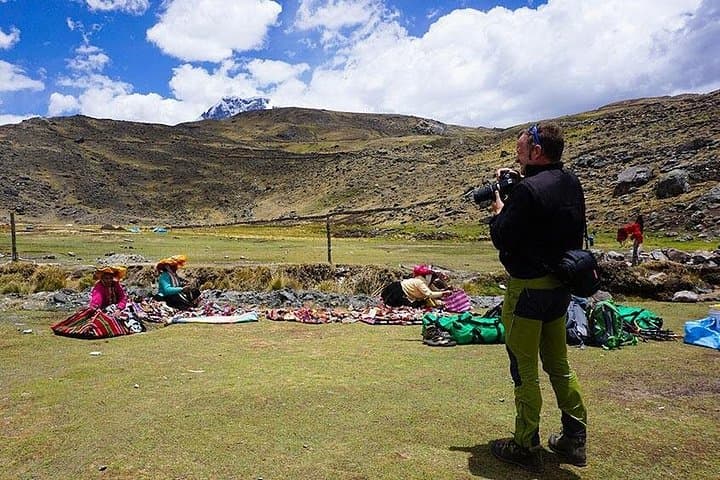
The route threads through the Ausangate massif, a mountain long venerated by Andean communities as an Apu (sacred mountain). Geologically the area is a high volcanosedimentary plateau where glacial sculpting and mineral deposits produce banded soils and the now-famous iron-oxide stripes on the 7-color slope near Vinicunca. Culturally the trail runs past remote herding communities that still tend llamas and weave in traditional patterns; expect simple stone corrals, shepherds, and hot springs used for generations.
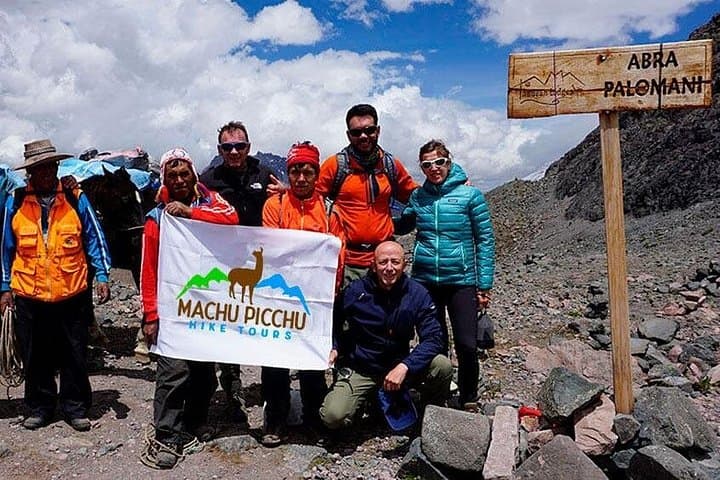
Practically: days vary from 6–9 hours on rough, rocky terrain with sustained elevation gains to 5,200+ m on the Palomani/Palomani Pass. Expect cold nights (near or below freezing), intense UV, and thin air—pace yourself, sip water often, and let the guide set the rhythm. The operator provides tents, meals, mule support and an oxygen bottle; you carry a daypack. Early starts yield the clearest views and the best chance to see vicuñas on scree slopes.
This is a challenging, high-altitude expedition that rewards preparation: good boots, layered insulation, and respect for mountain weather will make the difference between an unforgettable trip and an early exit.
The trek is physically demanding due to sustained elevations above 4,400 m and several 5,000+ m passes; prior high-altitude experience and good cardio fitness help.
Yes—this tour provides group camping equipment, dining tents, mattresses, and meals (breakfasts, lunches, dinners and snacks) as listed in the itinerary.
Fit beginners who have acclimatized and follow guide pacing can attempt it, but the route is not recommended for those with heart or severe respiratory issues.
Expect to see wild vicuñas and grazing llamas or alpacas near communities; sightings depend on season and elevation.
Machu Picchu Hike Tours operates guided outdoor trips and adventures with an emphasis on safety, stewardship, and memorable experiences.
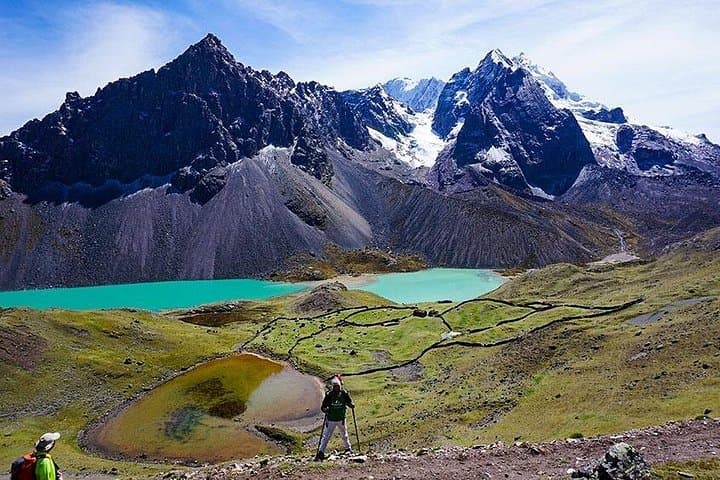
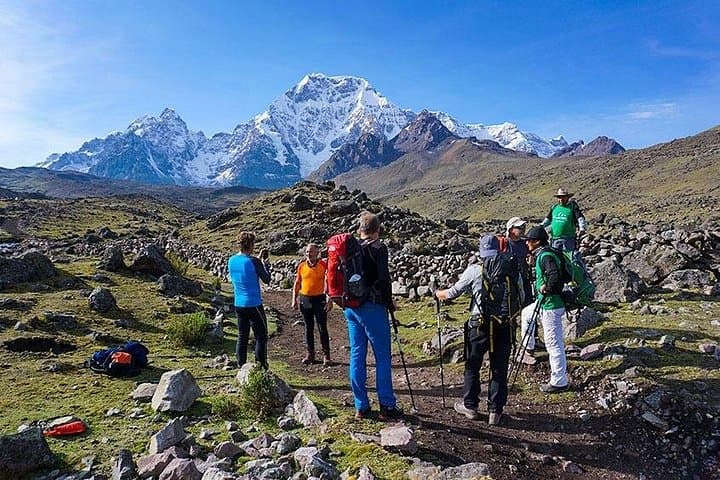
Dawn breaks over thin air and wind-carved ridges as you step away from the van and into the Puna—wide, cold, and uncompromising. Tents will be your temporary villages; glaciers and salt-stained peaks will watch every step. On this five-day circuit you climb past 5,000 m passes, cross moraine fields and drink from mountain-fed streams while llamas graze on brittle grasses.
Dawn breaks over thin air and wind-carved ridges as you step away from the van and into the Puna—wide, cold, and uncompromising. Tents will be your temporary villages; glaciers and salt-stained peaks will watch every step. On this five-day circuit you climb past 5,000 m passes, cross moraine fields and drink from mountain-fed streams while llamas graze on brittle grasses.
The route threads through the Ausangate massif, a mountain long venerated by Andean communities as an Apu (sacred mountain). Geologically the area is a high volcanosedimentary plateau where glacial sculpting and mineral deposits produce banded soils and the now-famous iron-oxide stripes on the 7-color slope near Vinicunca. Culturally the trail runs past remote herding communities that still tend llamas and weave in traditional patterns; expect simple stone corrals, shepherds, and hot springs used for generations.
Practically: days vary from 6–9 hours on rough, rocky terrain with sustained elevation gains to 5,200+ m on the Palomani/Palomani Pass. Expect cold nights (near or below freezing), intense UV, and thin air—pace yourself, sip water often, and let the guide set the rhythm. The operator provides tents, meals, mule support and an oxygen bottle; you carry a daypack. Early starts yield the clearest views and the best chance to see vicuñas on scree slopes.
This is a challenging, high-altitude expedition that rewards preparation: good boots, layered insulation, and respect for mountain weather will make the difference between an unforgettable trip and an early exit.
