THE ADVENTURE COLLECTIVE® · Independent discovery and booking for outdoor travel
Five days of high‑Andes trekking that combine the Ausangate circuit with an early visit to Vinicunca (Rainbow Mountain). Expect long days at altitude, striking glacial and colored‑sediment scenery, and immersive encounters with Quechua highland life.
Five days of high‑Andes trekking that combine the Ausangate circuit with an early visit to Vinicunca (Rainbow Mountain). Expect long days at altitude, striking glacial and colored‑sediment scenery, and immersive encounters with Quechua highland life.
A thin, cold light slides across corrugated ridgelines as the group leaves Cusco before dawn—silhouettes moving beneath a sky that seems to press the mountains closer. The Ausangate circuit climbs into a high, open landscape where moraine-carved valleys and glacial basins frame col‑height passes. On day three the trail swings to Vinicunca (Rainbow Mountain), its banded slopes daring you to read a geological timeline in color.
Verified experiences and guided adventures in the surrounding area.
Operated by Peru Hike · Cusco, Cusco
A thin, cold light slides across corrugated ridgelines as the group leaves Cusco before dawn—silhouettes moving beneath a sky that seems to press the mountains closer. The Ausangate circuit climbs into a high, open landscape where moraine-carved valleys and glacial basins frame col‑height passes. On day three the trail swings to Vinicunca (Rainbow Mountain), its banded slopes daring you to read a geological timeline in color.
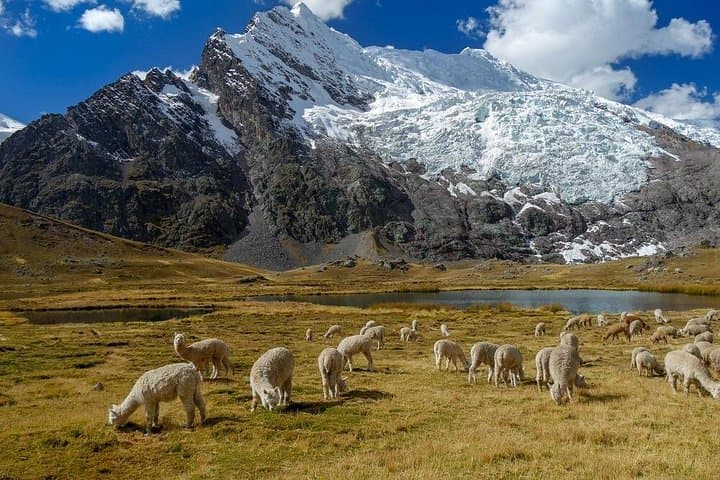
Geology here is blunt and visible: oxidized minerals, folding, and glacial polish lay strata bare. Culturally the route runs through active Quechua communities; llamas and alpacas graze on high puna while local ritual offerings to the apu (mountain spirits) still punctuate important passes. Ausangate itself has been an Andean pilgrimage focus since pre-Columbian times, and traces of pastoral life remain in earthen corrals and stone huts.
The trek covers roughly 13–15 km per day with sustained altitude—passes reach about 5,200 m (17,060 ft). Terrain alternates packed trail, rocky switchbacks, and uneven alpine meadows. Snow, strong sun and sudden wind are normal; the air is thin and moves the rhythm of every step.
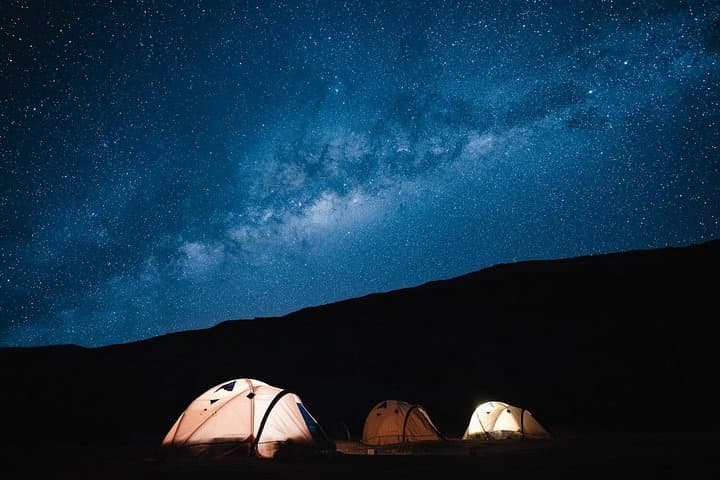
Practical guidance: prioritize acclimatization in Cusco for at least 48 hours, carry layered insulation, and plan early starts to avoid afternoon weather. Expect comfortable four‑season tents, cooked meals, and a guide who handles logistics; emergency horses and supplemental oxygen are commonly available. Footwear with firm ankle support, a daypack, and hydration systems will make the days more efficient and more enjoyable.
The trek is challenging due to sustained altitudes up to ~5,200 m; even fit hikers feel the thin air—plan acclimatization and listen to your guide about symptoms.
No technical mountaineering skills are required, but prior multi‑day hiking experience and stamina for 4–6 hour days are recommended.
Typical inclusions are guided itinerary, four‑season tents with sleeping pads, meals, a cook, trekking poles, entrance fees (Rainbow Mountain, Ausangate), and emergency horse/oxygen support.
Dry season (May–September) offers more stable weather and clearer skies for views, though days are cold; shoulder months can be less crowded but wetter.
Peru Hike operates guided outdoor trips and adventures with an emphasis on safety, stewardship, and memorable experiences.
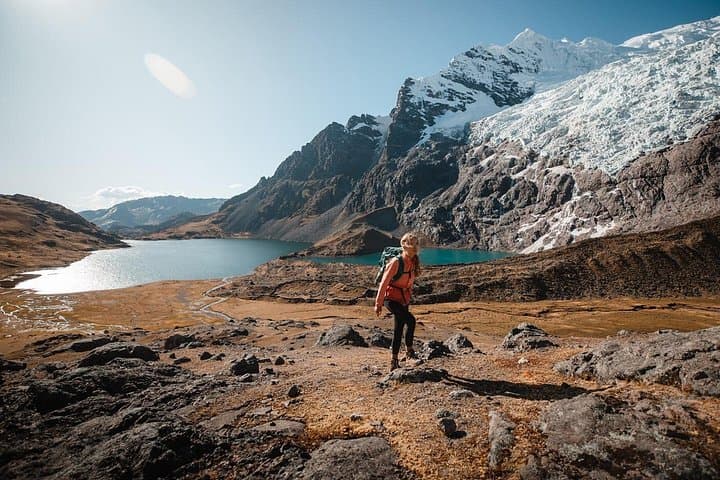
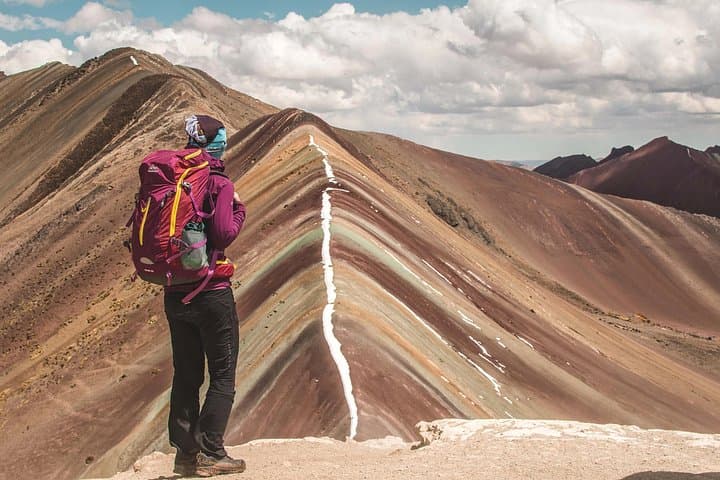
A thin, cold light slides across corrugated ridgelines as the group leaves Cusco before dawn—silhouettes moving beneath a sky that seems to press the mountains closer. The Ausangate circuit climbs into a high, open landscape where moraine-carved valleys and glacial basins frame col‑height passes. On day three the trail swings to Vinicunca (Rainbow Mountain), its banded slopes daring you to read a geological timeline in color.
A thin, cold light slides across corrugated ridgelines as the group leaves Cusco before dawn—silhouettes moving beneath a sky that seems to press the mountains closer. The Ausangate circuit climbs into a high, open landscape where moraine-carved valleys and glacial basins frame col‑height passes. On day three the trail swings to Vinicunca (Rainbow Mountain), its banded slopes daring you to read a geological timeline in color.
Geology here is blunt and visible: oxidized minerals, folding, and glacial polish lay strata bare. Culturally the route runs through active Quechua communities; llamas and alpacas graze on high puna while local ritual offerings to the apu (mountain spirits) still punctuate important passes. Ausangate itself has been an Andean pilgrimage focus since pre-Columbian times, and traces of pastoral life remain in earthen corrals and stone huts.
The trek covers roughly 13–15 km per day with sustained altitude—passes reach about 5,200 m (17,060 ft). Terrain alternates packed trail, rocky switchbacks, and uneven alpine meadows. Snow, strong sun and sudden wind are normal; the air is thin and moves the rhythm of every step.
Practical guidance: prioritize acclimatization in Cusco for at least 48 hours, carry layered insulation, and plan early starts to avoid afternoon weather. Expect comfortable four‑season tents, cooked meals, and a guide who handles logistics; emergency horses and supplemental oxygen are commonly available. Footwear with firm ankle support, a daypack, and hydration systems will make the days more efficient and more enjoyable.
