THE ADVENTURE COLLECTIVE® · Independent discovery and booking for outdoor travel

A compact, three-day route that links the Ausangate massif with Rainbow Mountain, this trek packs high passes, colorful valleys and Andean wildlife into an intense high-altitude camping loop. Ideal for well-conditioned hikers who can manage long days above 4,200 m.
A compact, three-day route that links the Ausangate massif with Rainbow Mountain, this trek packs high passes, colorful valleys and Andean wildlife into an intense high-altitude camping loop. Ideal for well-conditioned hikers who can manage long days above 4,200 m.
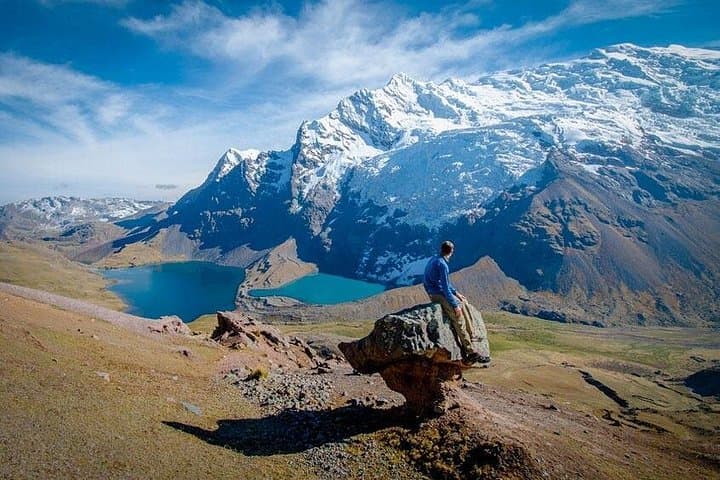
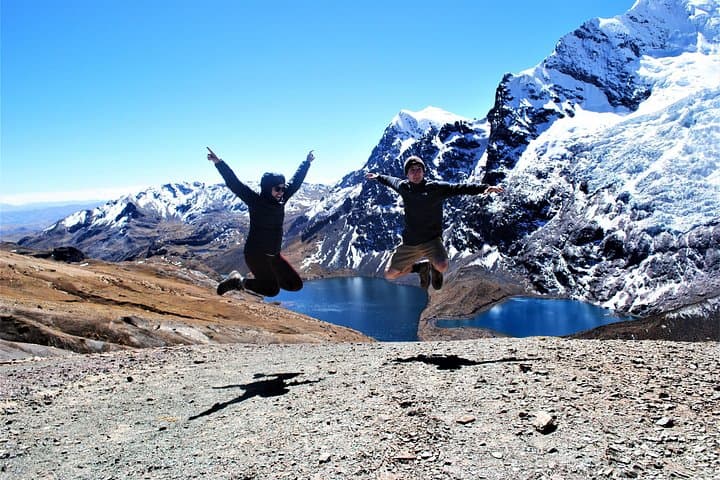
The wind pushes across the puna as you crest a gravel saddle and the Ausangate peaks peel open the horizon—red-brown ridges, icy cornices and a distant band of rainbow-striped clay that makes everyone pause for breath. Over three days the trail moves from the village slopes at Upis (≈4,210 m) up and over two major passes near 4,980–4,995 m, past high lagoons and across windswept bofedales where vicuñas graze.
Verified experiences and guided adventures in the surrounding area.
Operated by Machu Picchu Hike Tours · Cusco, Cusco Region
The wind pushes across the puna as you crest a gravel saddle and the Ausangate peaks peel open the horizon—red-brown ridges, icy cornices and a distant band of rainbow-striped clay that makes everyone pause for breath. Over three days the trail moves from the village slopes at Upis (≈4,210 m) up and over two major passes near 4,980–4,995 m, past high lagoons and across windswept bofedales where vicuñas graze.
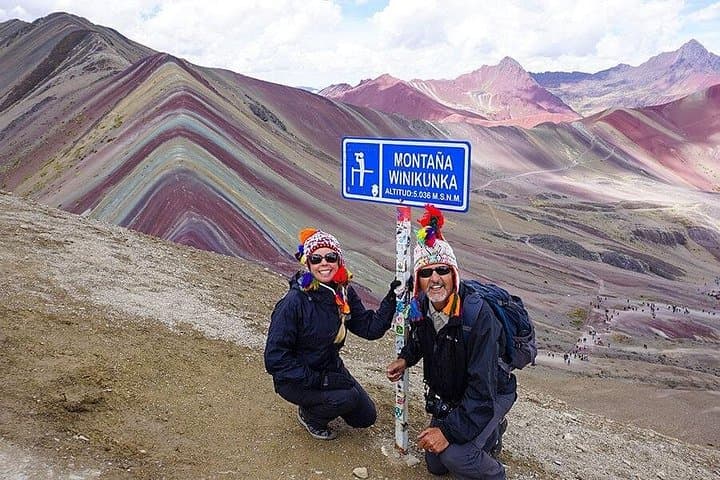
This route threads the eastern flanks of the Ausangate massif, a sacred Apu in Andean cosmology and a focal point of pastoral life for Quechua communities. Geology here is recent uplift and glacial sculpting—granite and volcaniclastic beds streaked by iron-rich minerals that give the Rainbow Valley its stripes. Cultural notes appear in stone corrals, alpaca herds and remote hamlets like Upis and Pampachiri, where traditional weaving and livestock rhythms remain central.
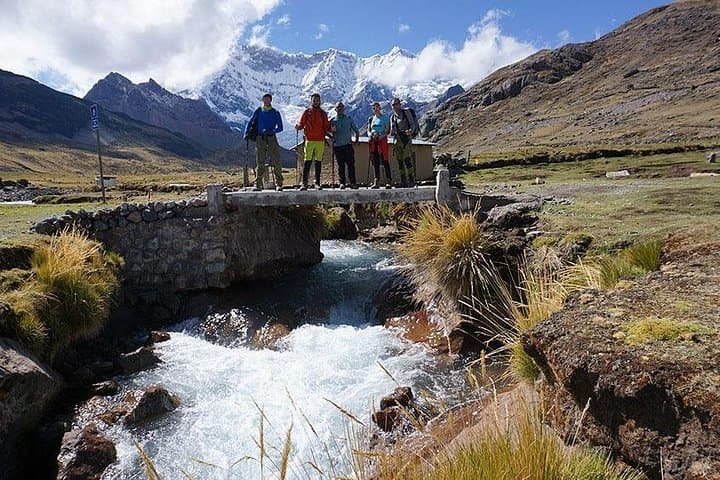
Expect long, high days: Day 2 runs roughly 22 km with 9 hours of trekking and two passes near 5,000 m; Day 3 includes the climb to Warmisaya (≈4,985 m) and the short approach to Vinicunca (Rainbow Mountain). Terrain varies—packed trail, rocky switchbacks, wet peatlands and short snowfields near glaciers—so stable boots and layered insulation matter.
Practical guidance: pace conservatively and prioritize acclimatization; drink often, use sun protection and carry extra calories. Guides supply tents, meals, mule support and a basic oxygen kit, but personal preparedness determines whether the mountains feel conquerable or punishing.
No professional camping skills are required; guides provide tents and meals, but comfort with basic campsite routines makes the trip smoother.
Acute mountain sickness is common—acclimatize in Cusco, hydrate, ascend slowly, and inform guides immediately if symptoms appear; they carry oxygen and know emergency protocols.
Yes—Day 3 visits Warmisaya pass and Vinicunca; early starts aim for clear photos before crowds arrive.
The tour includes entrance tickets to Ausangate Natural Park and Rainbow Mountain as part of the package.
Machu Picchu Hike Tours operates guided outdoor trips and adventures with an emphasis on safety, stewardship, and memorable experiences.
The wind pushes across the puna as you crest a gravel saddle and the Ausangate peaks peel open the horizon—red-brown ridges, icy cornices and a distant band of rainbow-striped clay that makes everyone pause for breath. Over three days the trail moves from the village slopes at Upis (≈4,210 m) up and over two major passes near 4,980–4,995 m, past high lagoons and across windswept bofedales where vicuñas graze.
The wind pushes across the puna as you crest a gravel saddle and the Ausangate peaks peel open the horizon—red-brown ridges, icy cornices and a distant band of rainbow-striped clay that makes everyone pause for breath. Over three days the trail moves from the village slopes at Upis (≈4,210 m) up and over two major passes near 4,980–4,995 m, past high lagoons and across windswept bofedales where vicuñas graze.
This route threads the eastern flanks of the Ausangate massif, a sacred Apu in Andean cosmology and a focal point of pastoral life for Quechua communities. Geology here is recent uplift and glacial sculpting—granite and volcaniclastic beds streaked by iron-rich minerals that give the Rainbow Valley its stripes. Cultural notes appear in stone corrals, alpaca herds and remote hamlets like Upis and Pampachiri, where traditional weaving and livestock rhythms remain central.
Expect long, high days: Day 2 runs roughly 22 km with 9 hours of trekking and two passes near 5,000 m; Day 3 includes the climb to Warmisaya (≈4,985 m) and the short approach to Vinicunca (Rainbow Mountain). Terrain varies—packed trail, rocky switchbacks, wet peatlands and short snowfields near glaciers—so stable boots and layered insulation matter.
Practical guidance: pace conservatively and prioritize acclimatization; drink often, use sun protection and carry extra calories. Guides supply tents, meals, mule support and a basic oxygen kit, but personal preparedness determines whether the mountains feel conquerable or punishing.