THE ADVENTURE COLLECTIVE® · Independent discovery and booking for outdoor travel

A private transfer from Kraków delivers you to the Auschwitz-Birkenau Museum for a guided, headset-equipped visit covering Auschwitz I and the expansive Birkenau grounds. Expect security checks, a 1.5‑hour drive each way, and a sober, educational experience lasting about 6–7 hours.
A private transfer from Kraków delivers you to the Auschwitz-Birkenau Museum for a guided, headset-equipped visit covering Auschwitz I and the expansive Birkenau grounds. Expect security checks, a 1.5‑hour drive each way, and a sober, educational experience lasting about 6–7 hours.
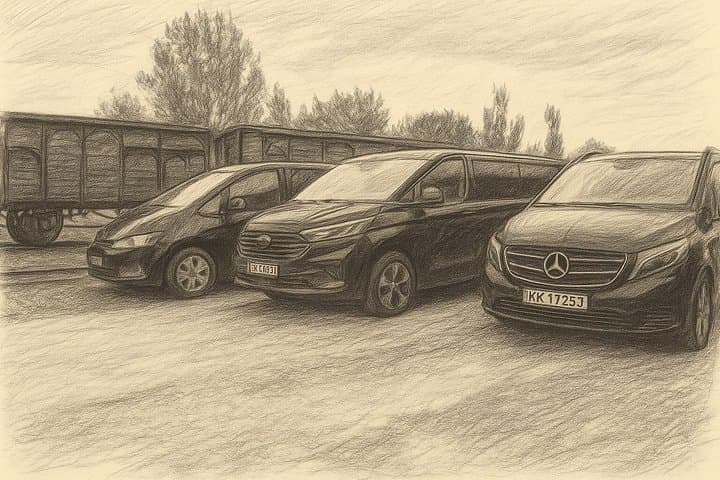
You arrive on a late-spring morning and the low fields around Oświęcim hold a chill that seems to steady the pace of everything: the road hums beneath the van, the guide's voice is measured, and the gates of the former camps draw close.
Verified experiences and guided adventures in the surrounding area.
Operated by 4Travellers · Oświęcim, Lesser Poland Voivodeship
You arrive on a late-spring morning and the low fields around Oświęcim hold a chill that seems to steady the pace of everything: the road hums beneath the van, the guide's voice is measured, and the gates of the former camps draw close.
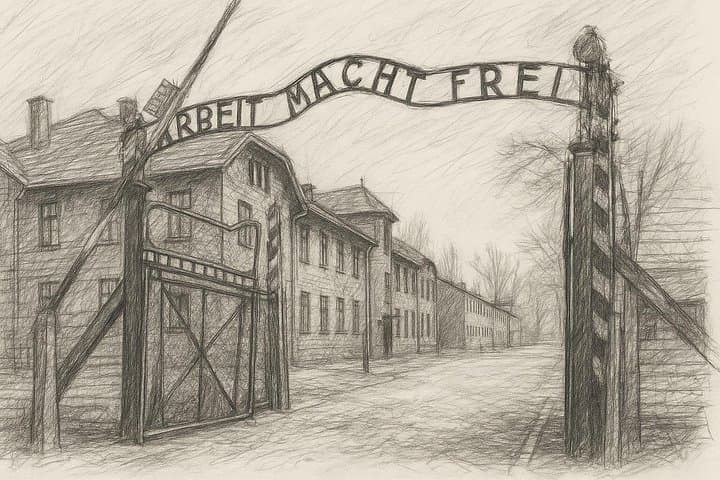
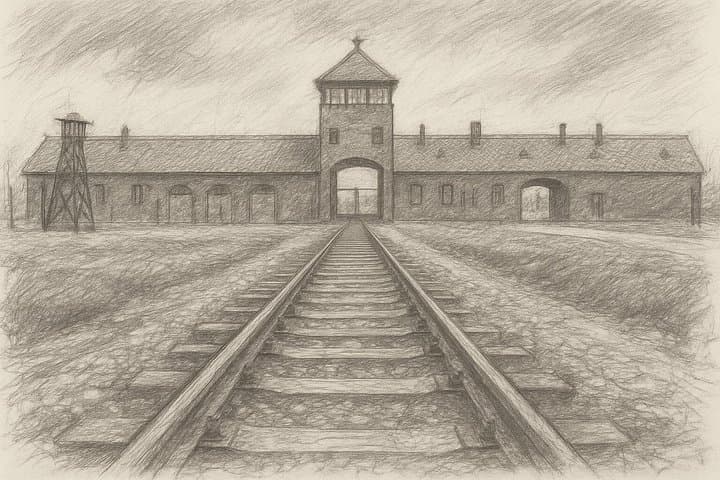
This guided visit moves deliberately across two connected sites: Auschwitz I, a compact brick complex where exhibits and prisoner blocks explain the administrative machinery, and Birkenau, the vast open plains of tracks and ruins where scale forces a quieter, slower comprehension. The museum sits on flat alluvial terrain south of Kraków, its architecture and rail alignments reflecting wartime logistics rather than aesthetic design.
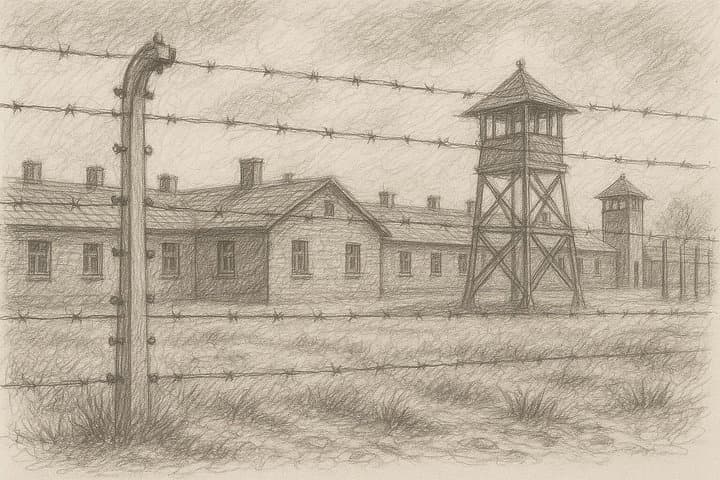
Historically, the site is a focal point of Holocaust memory—carefully preserved barracks, watchtowers, and personal artifacts document industrialized persecution. Local culture around Oświęcim includes efforts to balance remembrance with present-day life; many guides are trained to handle sensitive questions and to frame context respectfully.
Practicalities: expect a 1.5‑hour transfer from Kraków, security checks at entry, ID verification, and a tour split roughly into 2 hours at Auschwitz I and ~1 hour at Birkenau, with headsets supplied. Photography rules vary—follow the guide. Wear comfortable, weatherproof shoes for uneven paths at Birkenau and layers for wind across the plains. Bring water and allow 6–7 hours total for pickup, transit, and the full guided program.
Be prepared for an emotionally heavy experience—this is an educational, reflective visit rather than a typical sightseeing stop.
The drive is about 1.5 hours each way depending on traffic; pickup is scheduled roughly two hours before the museum entry time.
Yes—this booking includes museum entrance, a licensed local guide, headsets for group listening, and private transportation.
The tour is suitable for all ages; infant seats are available on request but parents should be prepared for emotionally difficult content for younger children.
Photography rules vary by location—some rooms prohibit photos; follow posted signs and the guide's instructions to respect the site.
4Travellers operates guided outdoor trips and adventures with an emphasis on safety, stewardship, and memorable experiences.
You arrive on a late-spring morning and the low fields around Oświęcim hold a chill that seems to steady the pace of everything: the road hums beneath the van, the guide's voice is measured, and the gates of the former camps draw close.
You arrive on a late-spring morning and the low fields around Oświęcim hold a chill that seems to steady the pace of everything: the road hums beneath the van, the guide's voice is measured, and the gates of the former camps draw close.
This guided visit moves deliberately across two connected sites: Auschwitz I, a compact brick complex where exhibits and prisoner blocks explain the administrative machinery, and Birkenau, the vast open plains of tracks and ruins where scale forces a quieter, slower comprehension. The museum sits on flat alluvial terrain south of Kraków, its architecture and rail alignments reflecting wartime logistics rather than aesthetic design.
Historically, the site is a focal point of Holocaust memory—carefully preserved barracks, watchtowers, and personal artifacts document industrialized persecution. Local culture around Oświęcim includes efforts to balance remembrance with present-day life; many guides are trained to handle sensitive questions and to frame context respectfully.
Practicalities: expect a 1.5‑hour transfer from Kraków, security checks at entry, ID verification, and a tour split roughly into 2 hours at Auschwitz I and ~1 hour at Birkenau, with headsets supplied. Photography rules vary—follow the guide. Wear comfortable, weatherproof shoes for uneven paths at Birkenau and layers for wind across the plains. Bring water and allow 6–7 hours total for pickup, transit, and the full guided program.
Be prepared for an emotionally heavy experience—this is an educational, reflective visit rather than a typical sightseeing stop.