THE ADVENTURE COLLECTIVE® · Independent discovery and booking for outdoor travel

Spend 90 minutes on a working Austin homestead exploring gardens, hives and a variety of farm animals. This hands-on tour mixes ecology, ranching history and practical homestead skills suitable for most fitness levels.
Spend 90 minutes on a working Austin homestead exploring gardens, hives and a variety of farm animals. This hands-on tour mixes ecology, ranching history and practical homestead skills suitable for most fitness levels.
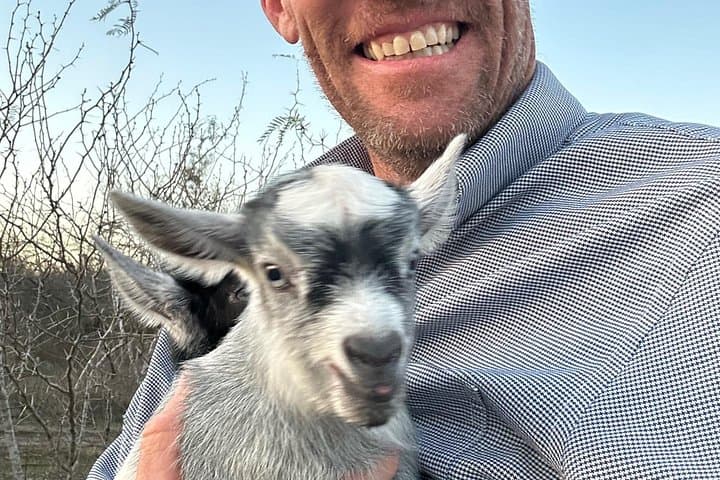
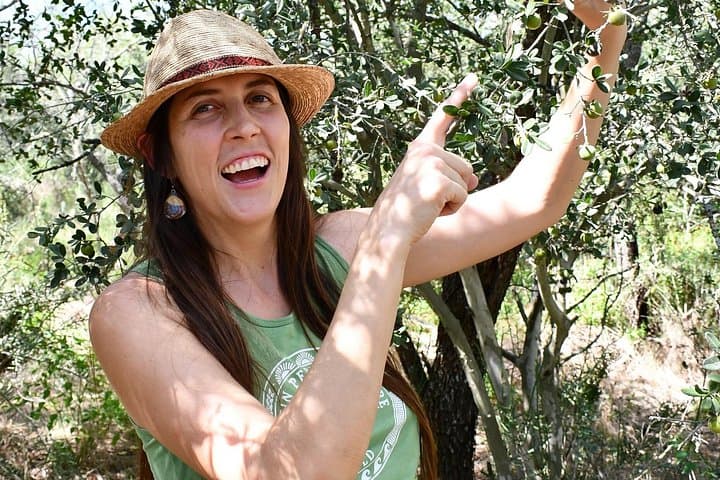
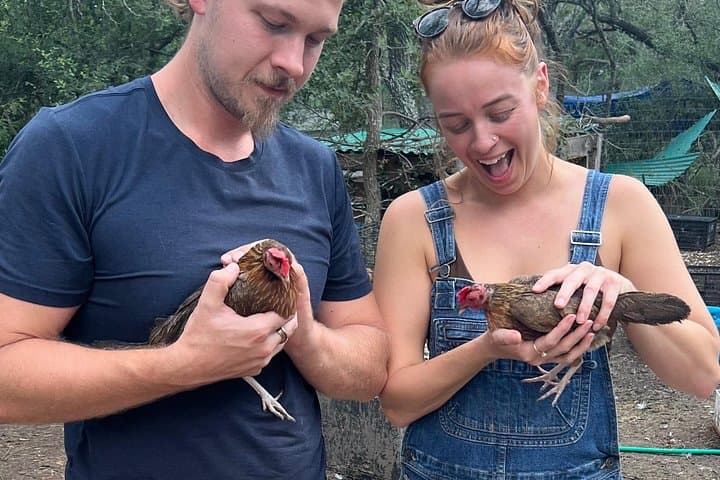
You step through a blue gate and the city’s hum thins; bees thread the warm air, chickens call from a sunlit coop, and a line of goats regards you like old neighbors. Raised beds spill with basil and native perennials, paths rise and fall with the small knolls common to Austin’s transition zone between the Edwards Plateau and Blackland Prairie. The ranch feels deliberate — a working homestead where plantings, pollinators and animals share chore charts.
Verified experiences and guided adventures in the surrounding area.
Operated by Gliding Revolution · Austin, Texas
You step through a blue gate and the city’s hum thins; bees thread the warm air, chickens call from a sunlit coop, and a line of goats regards you like old neighbors. Raised beds spill with basil and native perennials, paths rise and fall with the small knolls common to Austin’s transition zone between the Edwards Plateau and Blackland Prairie. The ranch feels deliberate — a working homestead where plantings, pollinators and animals share chore charts.
This part of central Texas has a long ranching and gardening history: Blackland soils once grew cotton and now support diversified small farms. Beekeeping is both practical and cultural here — urban and peri-urban apiaries help sustain pollinators across the metro area. Geologically, limestone and clay give short slopes good drainage and pockets of richer loam where gardens thrive.
Expect hands-on interpretation: caretakers explain hive health, goat care, and seasonal planting choices while guiding small groups around pens and beds. The rhythm is casual but informative — you’ll hear the rasp of goat hooves, the steady buzz of foragers, and clear explanations about compost, seed-saving, and humane animal handling.
Practical guidance: the tour is about 90 minutes, mostly on level dirt paths with some uneven ground. Wear closed-toe shoes, bring sun protection and water (bottled water may be provided). Allergy-aware guests should carry medication; interactions with goats are supervised but involve light petting and feeding. Tours run year-round with different highlights each season — spring brings lambs and blooms; fall focuses on harvest and bee prep for winter.
The experience lasts about 90 minutes and covers gardens, animal areas, and the apiary.
Yes — the tour is family-friendly but children should be supervised around animals and follow guide instructions.
Interactions are supervised; guests may gently pet or feed animals only when a guide permits and provides approved food.
Paths are primarily dirt and may be uneven; contact the operator ahead of time to discuss accessibility needs.
Gliding Revolution operates guided outdoor trips and adventures with an emphasis on safety, stewardship, and memorable experiences.

You step through a blue gate and the city’s hum thins; bees thread the warm air, chickens call from a sunlit coop, and a line of goats regards you like old neighbors. Raised beds spill with basil and native perennials, paths rise and fall with the small knolls common to Austin’s transition zone between the Edwards Plateau and Blackland Prairie. The ranch feels deliberate — a working homestead where plantings, pollinators and animals share chore charts.
You step through a blue gate and the city’s hum thins; bees thread the warm air, chickens call from a sunlit coop, and a line of goats regards you like old neighbors. Raised beds spill with basil and native perennials, paths rise and fall with the small knolls common to Austin’s transition zone between the Edwards Plateau and Blackland Prairie. The ranch feels deliberate — a working homestead where plantings, pollinators and animals share chore charts.
This part of central Texas has a long ranching and gardening history: Blackland soils once grew cotton and now support diversified small farms. Beekeeping is both practical and cultural here — urban and peri-urban apiaries help sustain pollinators across the metro area. Geologically, limestone and clay give short slopes good drainage and pockets of richer loam where gardens thrive.
Expect hands-on interpretation: caretakers explain hive health, goat care, and seasonal planting choices while guiding small groups around pens and beds. The rhythm is casual but informative — you’ll hear the rasp of goat hooves, the steady buzz of foragers, and clear explanations about compost, seed-saving, and humane animal handling.
Practical guidance: the tour is about 90 minutes, mostly on level dirt paths with some uneven ground. Wear closed-toe shoes, bring sun protection and water (bottled water may be provided). Allergy-aware guests should carry medication; interactions with goats are supervised but involve light petting and feeding. Tours run year-round with different highlights each season — spring brings lambs and blooms; fall focuses on harvest and bee prep for winter.