THE ADVENTURE COLLECTIVE® · Independent discovery and booking for outdoor travel

Walk the actual streets where Austin’s unsolved 1885 murders occurred. This 1.75-hour guided night tour covers two miles of downtown, including a stop at the historic Driskill Hotel and on-site storytelling at key crime locations.
Walk the actual streets where Austin’s unsolved 1885 murders occurred. This 1.75-hour guided night tour covers two miles of downtown, including a stop at the historic Driskill Hotel and on-site storytelling at key crime locations.
The streetlights throw long, yellow pools across cracked sidewalks as a small group gathers at the corner of West 6th and Bowie. Guides—part historian, part storyteller—lead you into a downtown that still shows its 1880s bone structure: narrow alleys, brick facades, and the grand lobby of the Driskill catching light through its windows. Conversation drops; the city seems to lean in.
Verified experiences and guided adventures in the surrounding area.
Operated by Walking Tours of Austin · Austin, Texas
The streetlights throw long, yellow pools across cracked sidewalks as a small group gathers at the corner of West 6th and Bowie. Guides—part historian, part storyteller—lead you into a downtown that still shows its 1880s bone structure: narrow alleys, brick facades, and the grand lobby of the Driskill catching light through its windows. Conversation drops; the city seems to lean in.
The walk follows roughly two miles of urban terrain and stops at exact addresses tied to Austin’s most notorious unsolved case, the 1885 “Servant Girl Annihilator.” The story is told against a backdrop of post-Reconstruction growth when Austin was remaking itself from frontier town to state capital. Geology gives way to culture here—the limestone and red clay streets have seen streetcars, saloons, and now neon bars—so the guide weaves architecture and archival photos into the narrative.
Expect flat, paved sidewalks, short pauses for commentary, and a 15–20 minute visit to the Driskill lobby when allowed. The pace is leisurely, aimed at 1.5–2 hours and suitable for most walkers; lighting varies and some alleyways are narrow. Practical tips: dress for a cool evening breeze, bring a small light and water, and plan to reconvene at the stated corner if you wander off. Photography is common, but guides ask groups to respect private property and local businesses.
This is an urban history walk that pairs true-crime intrigue with cityscape details—good for travelers who want texture, context, and a sober look at a violent chapter in Austin’s past.
No—drinks are not included; the guide may allow a short lobby visit or an optional stop where you can purchase beverages at your own expense.
The content covers violent historical crimes and organizers recommend it for ages 13 and up; parental discretion is advised.
The meeting point is the intersection of Bowie and West 6th, near the Whole Foods corner in downtown Austin; the tour finishes nearby in the warehouse district.
Most of the route is on paved city sidewalks and is largely accessible, but some narrow alleys and historic buildings may limit access—contact the operator ahead of booking to discuss accommodations.
Walking Tours of Austin operates guided outdoor trips and adventures with an emphasis on safety, stewardship, and memorable experiences.


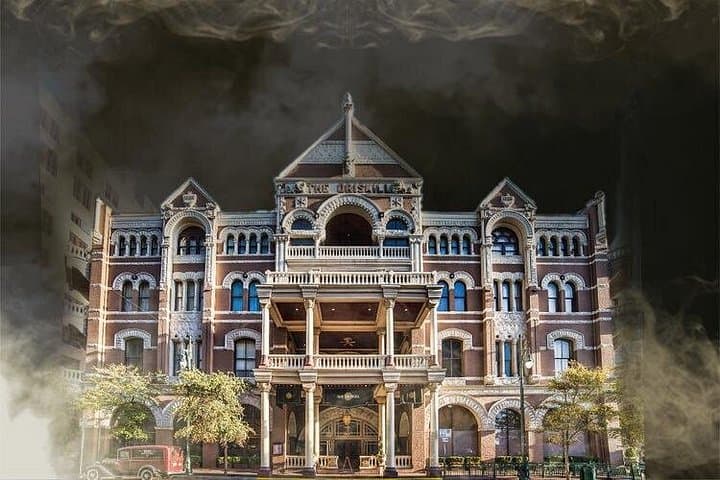

The streetlights throw long, yellow pools across cracked sidewalks as a small group gathers at the corner of West 6th and Bowie. Guides—part historian, part storyteller—lead you into a downtown that still shows its 1880s bone structure: narrow alleys, brick facades, and the grand lobby of the Driskill catching light through its windows. Conversation drops; the city seems to lean in.
The streetlights throw long, yellow pools across cracked sidewalks as a small group gathers at the corner of West 6th and Bowie. Guides—part historian, part storyteller—lead you into a downtown that still shows its 1880s bone structure: narrow alleys, brick facades, and the grand lobby of the Driskill catching light through its windows. Conversation drops; the city seems to lean in.
The walk follows roughly two miles of urban terrain and stops at exact addresses tied to Austin’s most notorious unsolved case, the 1885 “Servant Girl Annihilator.” The story is told against a backdrop of post-Reconstruction growth when Austin was remaking itself from frontier town to state capital. Geology gives way to culture here—the limestone and red clay streets have seen streetcars, saloons, and now neon bars—so the guide weaves architecture and archival photos into the narrative.
Expect flat, paved sidewalks, short pauses for commentary, and a 15–20 minute visit to the Driskill lobby when allowed. The pace is leisurely, aimed at 1.5–2 hours and suitable for most walkers; lighting varies and some alleyways are narrow. Practical tips: dress for a cool evening breeze, bring a small light and water, and plan to reconvene at the stated corner if you wander off. Photography is common, but guides ask groups to respect private property and local businesses.
This is an urban history walk that pairs true-crime intrigue with cityscape details—good for travelers who want texture, context, and a sober look at a violent chapter in Austin’s past.