THE ADVENTURE COLLECTIVE® · Independent discovery and booking for outdoor travel

A compact Himalayan day hike from Pokhara, Australian Camp delivers broad Annapurna views, rhododendron forests and village trails without a multi-day commitment. This guide covers what to expect on the trail, cultural context, and practical tips to plan your day hike.
A compact Himalayan day hike from Pokhara, Australian Camp delivers broad Annapurna views, rhododendron forests and village trails without a multi-day commitment. This guide covers what to expect on the trail, cultural context, and practical tips to plan your day hike.
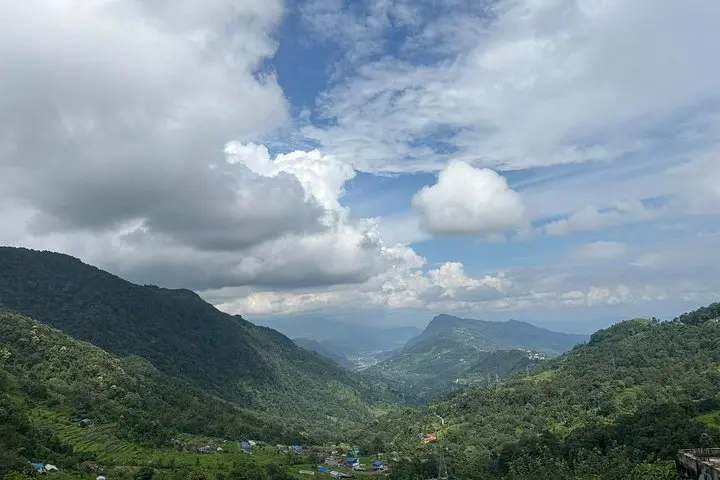
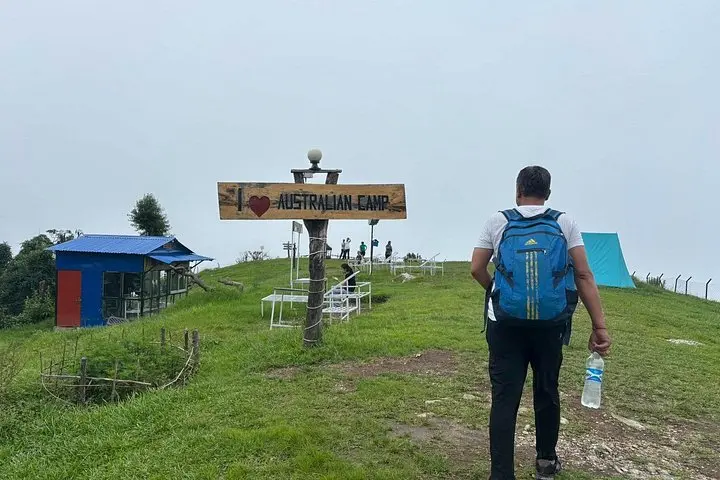
You set off before breakfast, the road dropping away behind the car as the foothills open. The trail climbs out of Kande through terraced fields and bamboo stands; rhododendron and oak lean toward the path like curious companions. By the time you crest the ridge at Australian Camp, Annapurna’s fluted faces and Machapuchare’s sharp peak dominate the horizon, clouds drifting across ridgelines as if testing your resolve.
Verified experiences and guided adventures in the surrounding area.
Operated by Worldwide Tourism Inc - Highly Recommended Travel Company · Pokhara, Gandaki Province
You set off before breakfast, the road dropping away behind the car as the foothills open. The trail climbs out of Kande through terraced fields and bamboo stands; rhododendron and oak lean toward the path like curious companions. By the time you crest the ridge at Australian Camp, Annapurna’s fluted faces and Machapuchare’s sharp peak dominate the horizon, clouds drifting across ridgelines as if testing your resolve.
The route follows centuries-old farm tracks used by Gurung communities; stone walls and small shrines punctuate the walk, offering glimpses of local life. Geologically the view is a reading of uplift and erosion — the high Himalaya rising abruptly above the green foothills — and the camp itself sits at roughly 1,900–2,100 m, making the climb a manageable ascent from the Pokhara valley.
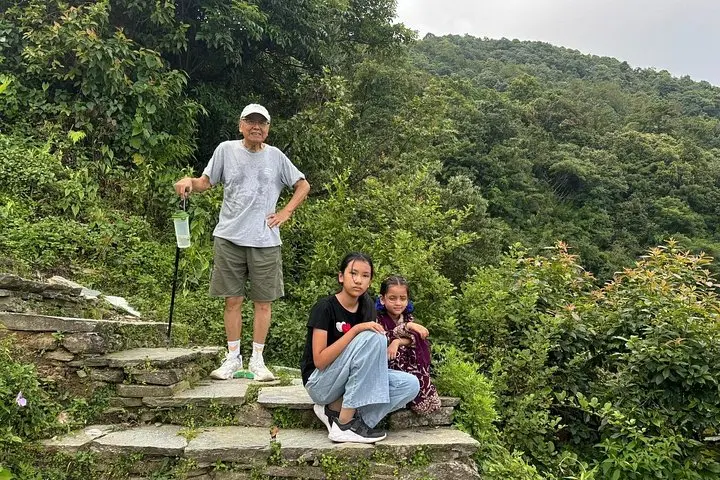
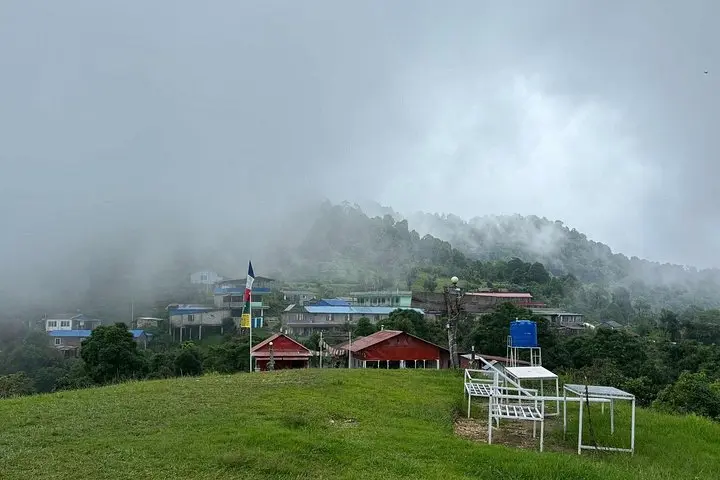
Expect a varied trail: stepped village paths, soft forest floor under oak and rhododendron, and occasional muddy sections after rain. Birdsong and the distant clack of wood-fired kitchens anchor the cultural feel; local tea houses at the camp provide hot meals and sweeping views.
Practical guidance: the full outing, including drive time, runs 6–9 hours; the uphill from Kande is typically 1.5–2 hours with ~600–800 m of elevation gain depending on your start. Wear sturdy boots, dress in layers, carry at least 1.5–2 L of water and sun protection, and plan to hike in the morning for the clearest mountain visibility. Hire a local guide or join a small group if you want navigation, cultural context, and support — they also help minimize your impact by sticking to established routes.
From Kande the uphill typically takes 1.5–2 hours depending on pace; include drive and return and plan for a 6–9 hour day overall.
A guide is recommended for local knowledge and to support the community; standard TIMS or local permit requirements are handled by tour operators for day hikes.
Moderate fitness is sufficient—expect steady uphill walking with some steps and uneven terrain; regular walkers will find it attainable.
Clear mountain views are most reliable in pre-monsoon spring (March–May) and post-monsoon autumn (September–November); mornings are clearest year-round.
Worldwide Tourism Inc - Highly Recommended Travel Company operates guided outdoor trips and adventures with an emphasis on safety, stewardship, and memorable experiences.
You set off before breakfast, the road dropping away behind the car as the foothills open. The trail climbs out of Kande through terraced fields and bamboo stands; rhododendron and oak lean toward the path like curious companions. By the time you crest the ridge at Australian Camp, Annapurna’s fluted faces and Machapuchare’s sharp peak dominate the horizon, clouds drifting across ridgelines as if testing your resolve.
You set off before breakfast, the road dropping away behind the car as the foothills open. The trail climbs out of Kande through terraced fields and bamboo stands; rhododendron and oak lean toward the path like curious companions. By the time you crest the ridge at Australian Camp, Annapurna’s fluted faces and Machapuchare’s sharp peak dominate the horizon, clouds drifting across ridgelines as if testing your resolve.
The route follows centuries-old farm tracks used by Gurung communities; stone walls and small shrines punctuate the walk, offering glimpses of local life. Geologically the view is a reading of uplift and erosion — the high Himalaya rising abruptly above the green foothills — and the camp itself sits at roughly 1,900–2,100 m, making the climb a manageable ascent from the Pokhara valley.
Expect a varied trail: stepped village paths, soft forest floor under oak and rhododendron, and occasional muddy sections after rain. Birdsong and the distant clack of wood-fired kitchens anchor the cultural feel; local tea houses at the camp provide hot meals and sweeping views.
Practical guidance: the full outing, including drive time, runs 6–9 hours; the uphill from Kande is typically 1.5–2 hours with ~600–800 m of elevation gain depending on your start. Wear sturdy boots, dress in layers, carry at least 1.5–2 L of water and sun protection, and plan to hike in the morning for the clearest mountain visibility. Hire a local guide or join a small group if you want navigation, cultural context, and support — they also help minimize your impact by sticking to established routes.