THE ADVENTURE COLLECTIVE® · Independent discovery and booking for outdoor travel

A compact, high-reward day hike from Pokhara to Australian Camp and Dhampus—easy terrain, strong Annapurna views and authentic Gurung village encounters. Ideal for travelers who want Himalayan panoramas without multi-day trekking.
A compact, high-reward day hike from Pokhara to Australian Camp and Dhampus—easy terrain, strong Annapurna views and authentic Gurung village encounters. Ideal for travelers who want Himalayan panoramas without multi-day trekking.
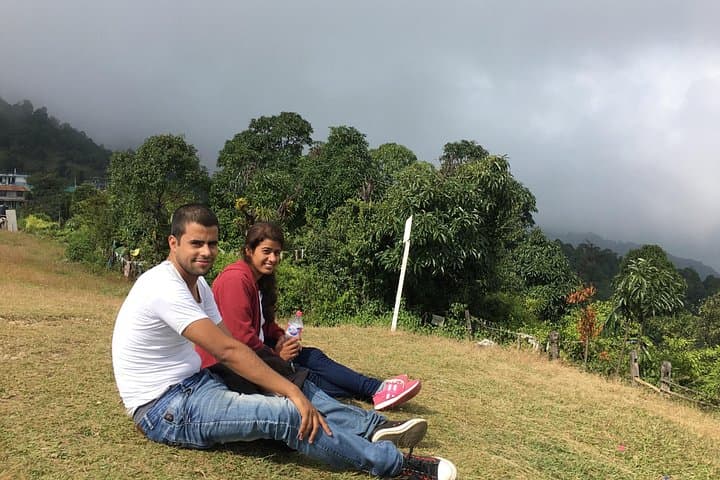
You step out of Pokhara’s low clouds onto a switchback of stone steps and dirt trail, the air shortening into a clean, cool clarity as the ridgeline opens. By mid-morning the Annapurna range asserts itself—glittering snow ridges above terraced fields—while the trail threads through small Gurung hamlets and apple orchards toward Australian Camp at roughly 2,000 m.
Verified experiences and guided adventures in the surrounding area.
Operated by Swami Narayan Travels Pvt Ltd · Pokhara, Gandaki Province
You step out of Pokhara’s low clouds onto a switchback of stone steps and dirt trail, the air shortening into a clean, cool clarity as the ridgeline opens. By mid-morning the Annapurna range asserts itself—glittering snow ridges above terraced fields—while the trail threads through small Gurung hamlets and apple orchards toward Australian Camp at roughly 2,000 m.
The route follows centuries-old mule tracks that linked highland farms with Pokhara’s market. Geologically, you’re hiking on foothill slopes carved from uplifted Himalayan bedrock, where frequent landslides and stepped cultivation shape the landscape. Culturally the walk is as much about village life as views: Gurung houses, prayer flags, and local tea houses offer a steady human rhythm to the ascent.
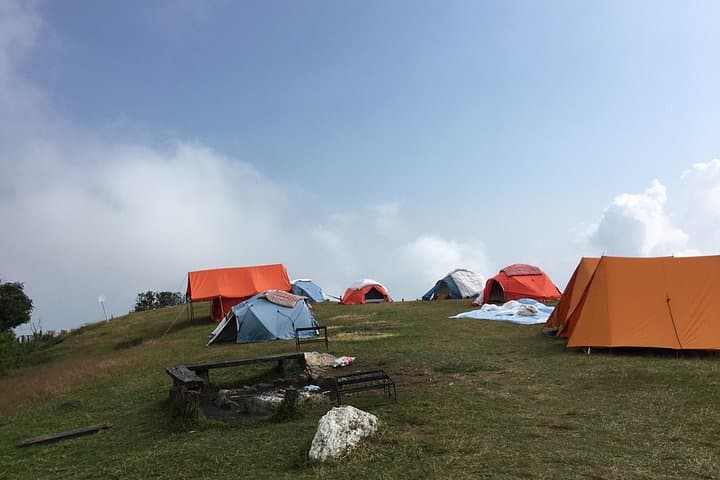
Expect 5–6 hours round-trip on an easy trail with packed dirt, stone steps and short steep pitches—roughly 6–8 km round-trip with about 900–1,200 m cumulative ascent depending on your start point. The peak viewpoint at Australian Camp rewards the climb with panoramic sightlines of Annapurna South, Machapuchare (Fishtail) and the ridges that hold morning clouds.
Practical guidance: start early to avoid afternoon haze, carry 1–2 liters of water, and bring layers—the temperature drops quickly above 1,800 m. Footwear with solid grip and ankle support helps on wet stone steps. Cash is useful for teahouses in Dhampus and local donations. Guides or private transfers are common and simplify logistics; the operator listed offers hotel pickup in Pokhara and English-speaking guides.
This is an approachable Himalayan day-hike: scenic, culturally engaging and logistical straightforward for travelers with basic fitness.
Most operators list 5–6 hours total with easy to moderate effort—many sections are stone steps but no technical climbing is required.
A guide is not strictly required on the well-marked trail, but guides and private transfers simplify navigation, local interactions and timings.
Monsoon (June–August) brings slippery sections and occasional trail damage; check conditions and avoid after heavy rain due to landslide risk.
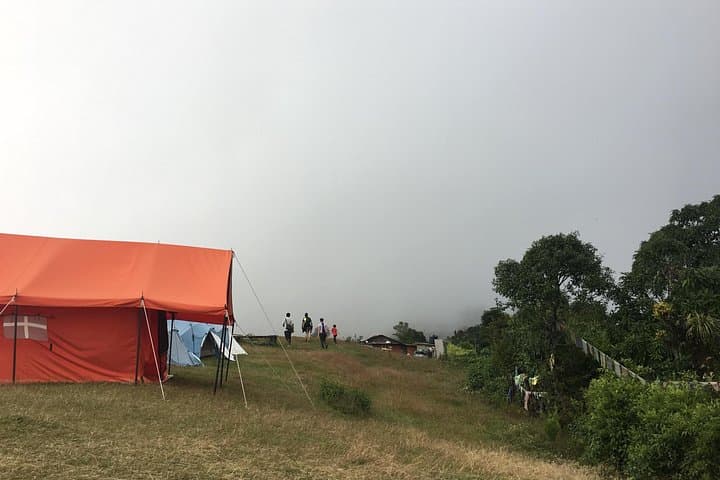
Simple tea houses and rest stops exist in Dhampus and Australian Camp; carry cash and basic supplies as services are limited.
Swami Narayan Travels Pvt Ltd operates guided outdoor trips and adventures with an emphasis on safety, stewardship, and memorable experiences.

You step out of Pokhara’s low clouds onto a switchback of stone steps and dirt trail, the air shortening into a clean, cool clarity as the ridgeline opens. By mid-morning the Annapurna range asserts itself—glittering snow ridges above terraced fields—while the trail threads through small Gurung hamlets and apple orchards toward Australian Camp at roughly 2,000 m.
You step out of Pokhara’s low clouds onto a switchback of stone steps and dirt trail, the air shortening into a clean, cool clarity as the ridgeline opens. By mid-morning the Annapurna range asserts itself—glittering snow ridges above terraced fields—while the trail threads through small Gurung hamlets and apple orchards toward Australian Camp at roughly 2,000 m.
The route follows centuries-old mule tracks that linked highland farms with Pokhara’s market. Geologically, you’re hiking on foothill slopes carved from uplifted Himalayan bedrock, where frequent landslides and stepped cultivation shape the landscape. Culturally the walk is as much about village life as views: Gurung houses, prayer flags, and local tea houses offer a steady human rhythm to the ascent.
Expect 5–6 hours round-trip on an easy trail with packed dirt, stone steps and short steep pitches—roughly 6–8 km round-trip with about 900–1,200 m cumulative ascent depending on your start point. The peak viewpoint at Australian Camp rewards the climb with panoramic sightlines of Annapurna South, Machapuchare (Fishtail) and the ridges that hold morning clouds.
Practical guidance: start early to avoid afternoon haze, carry 1–2 liters of water, and bring layers—the temperature drops quickly above 1,800 m. Footwear with solid grip and ankle support helps on wet stone steps. Cash is useful for teahouses in Dhampus and local donations. Guides or private transfers are common and simplify logistics; the operator listed offers hotel pickup in Pokhara and English-speaking guides.
This is an approachable Himalayan day-hike: scenic, culturally engaging and logistical straightforward for travelers with basic fitness.