THE ADVENTURE COLLECTIVE® · Independent discovery and booking for outdoor travel

A two‑day lodge trek above Pokhara that delivers sunrise views of the Annapurna massif and a close look at Gurung foothill life. Expect a 5–6 hour ascent, basic lodges, and dramatic mountain light at Australian Camp.
A two‑day lodge trek above Pokhara that delivers sunrise views of the Annapurna massif and a close look at Gurung foothill life. Expect a 5–6 hour ascent, basic lodges, and dramatic mountain light at Australian Camp.
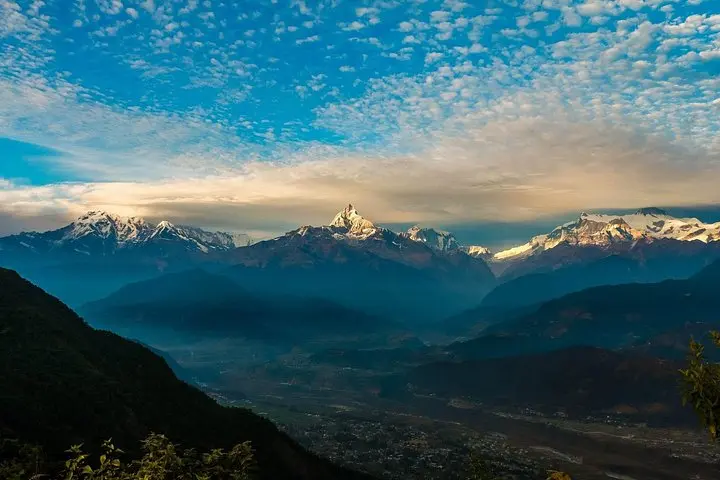
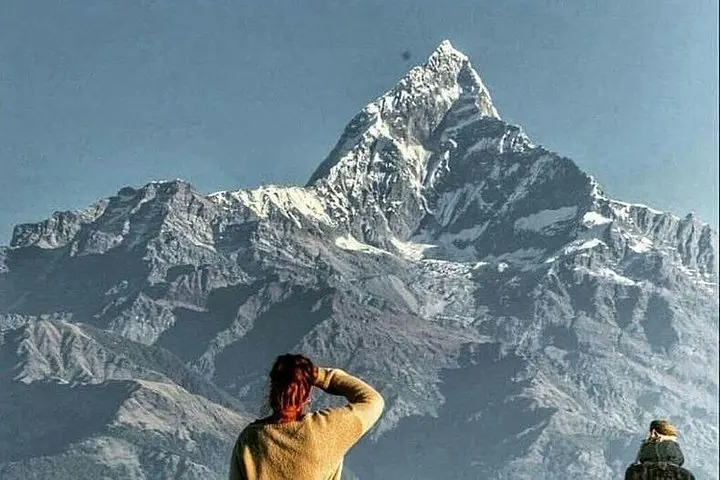
You wake before dawn on a ridgetop above Pokhara, cold air pressing at your face while the first light slides across layered peaks — Annapurna I, Machapuchare and southward ridgelines clear as cut stone. From Sarangkot the trail climbs through terraced fields and pine-smoke hamlets, finishing at Australian Camp where the horizon opens into a sweeping, mountain‑framed panorama.
Verified experiences and guided adventures in the surrounding area.
Operated by Trekking Organizer Company in Nepal · Pokhara, Gandaki Province
You wake before dawn on a ridgetop above Pokhara, cold air pressing at your face while the first light slides across layered peaks — Annapurna I, Machapuchare and southward ridgelines clear as cut stone. From Sarangkot the trail climbs through terraced fields and pine-smoke hamlets, finishing at Australian Camp where the horizon opens into a sweeping, mountain‑framed panorama.
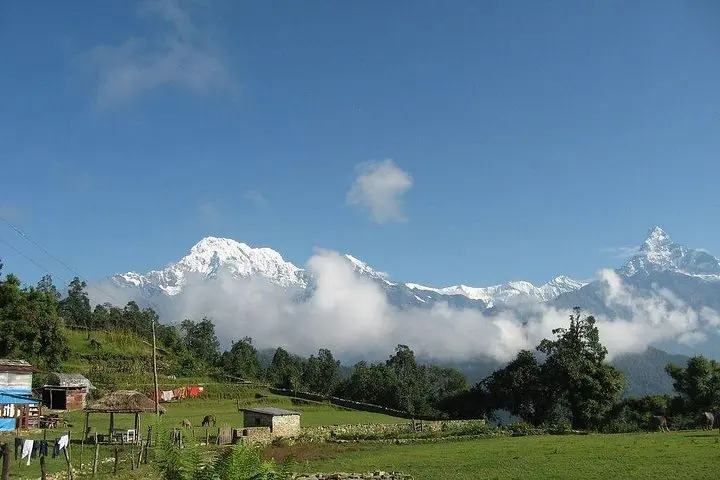
The route follows centuries-old footpaths used by Gurung and Magar communities; the ridgelines themselves are recent geologic actors, uplifted by the collision of the Indian and Eurasian plates. Small villages like Dhampus and local tea‑houses give direct access to mountain culture: yak‑wool blankets, home-cooked dal bhat, and evening conversations centered on seasonal work and migration. Expect bird song and the occasional trilling of Himalayan pheasants along brushy sections.
Practically, the trek is a two‑day, lodge‑based outing with one solid ascent (roughly 5–6 hours) up to about 2,000 m and a gentler descent through Dhampus to Phedi. Trails are mostly dirt and stone with some steep switchbacks; footwear with good grip and at least a daypack are sufficient. Start early for the sunrise and to avoid midday heat; hydrate and carry layers because temperatures swing quickly above the tree line. Facilities are basic but reliable — lodges serve hot meals and offer simple rooms.
Whether you want a short introduction to Annapurna’s vistas or a relaxed cultural stroll, Australian Camp delivers dramatic light, accessible trails, and direct contact with foothill life. Plan for variable weather, respect local customs, and pack to keep evenings warm.
The standard itinerary is two days with a 5–6 hour ascent to Australian Camp on day one and a descent via Dhampus on day two; it’s rated moderate—steady uphill but no technical climbing.
No special permits are required for these local trails; many travelers hire local guides or join transfers for convenience and cultural insight, but independent hikers can follow well‑trodden paths.
October–December and March–May offer the clearest mountain views and stable weather; monsoon months bring fog and slippery trails, while winter nights can be very cold.
The route tops around 2,000 m, which is low risk for severe altitude sickness, but travelers should monitor symptoms, ascend at a comfortable pace, and stay hydrated.
Trekking Organizer Company in Nepal operates guided outdoor trips and adventures with an emphasis on safety, stewardship, and memorable experiences.
You wake before dawn on a ridgetop above Pokhara, cold air pressing at your face while the first light slides across layered peaks — Annapurna I, Machapuchare and southward ridgelines clear as cut stone. From Sarangkot the trail climbs through terraced fields and pine-smoke hamlets, finishing at Australian Camp where the horizon opens into a sweeping, mountain‑framed panorama.
You wake before dawn on a ridgetop above Pokhara, cold air pressing at your face while the first light slides across layered peaks — Annapurna I, Machapuchare and southward ridgelines clear as cut stone. From Sarangkot the trail climbs through terraced fields and pine-smoke hamlets, finishing at Australian Camp where the horizon opens into a sweeping, mountain‑framed panorama.
The route follows centuries-old footpaths used by Gurung and Magar communities; the ridgelines themselves are recent geologic actors, uplifted by the collision of the Indian and Eurasian plates. Small villages like Dhampus and local tea‑houses give direct access to mountain culture: yak‑wool blankets, home-cooked dal bhat, and evening conversations centered on seasonal work and migration. Expect bird song and the occasional trilling of Himalayan pheasants along brushy sections.
Practically, the trek is a two‑day, lodge‑based outing with one solid ascent (roughly 5–6 hours) up to about 2,000 m and a gentler descent through Dhampus to Phedi. Trails are mostly dirt and stone with some steep switchbacks; footwear with good grip and at least a daypack are sufficient. Start early for the sunrise and to avoid midday heat; hydrate and carry layers because temperatures swing quickly above the tree line. Facilities are basic but reliable — lodges serve hot meals and offer simple rooms.
Whether you want a short introduction to Annapurna’s vistas or a relaxed cultural stroll, Australian Camp delivers dramatic light, accessible trails, and direct contact with foothill life. Plan for variable weather, respect local customs, and pack to keep evenings warm.