THE ADVENTURE COLLECTIVE® · Independent discovery and booking for outdoor travel

A compact seven-day trek from Pokhara to Australian Base Camp delivers close views of the Annapurna massif, village trails and teahouse nights. Ideal for hikers seeking big Himalayan panoramas without technical climbing or heavy packing.
A compact seven-day trek from Pokhara to Australian Base Camp delivers close views of the Annapurna massif, village trails and teahouse nights. Ideal for hikers seeking big Himalayan panoramas without technical climbing or heavy packing.
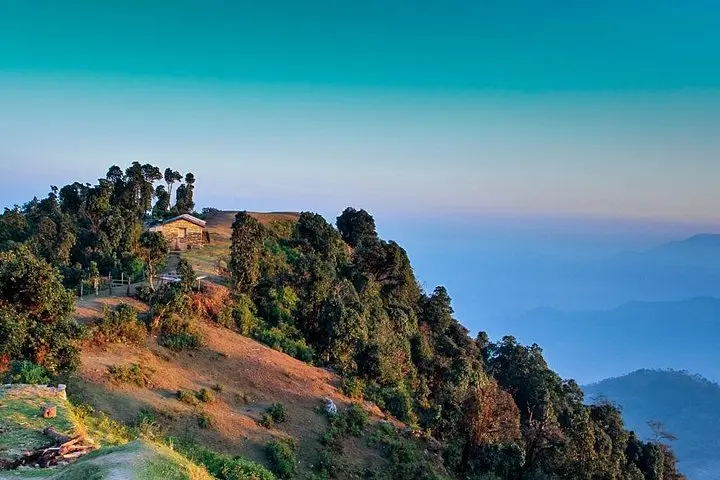
A cool dawn in Pokhara loosens into a bright jeep ride up to Kande, where the trail takes over: stone steps and terraced fields climb under pine and rhododendron until a ridgeline opens on the Australian Base Camp at about 2,000 m. The mountains don’t lurk at a distance — Annapurna South, Machhapuchhre (Fishtail) and Annapurna II stand like patient guardians, their faces changing from gold to hard blue as the day progresses.
Verified experiences and guided adventures in the surrounding area.
Operated by Osho world Adventure · Pokhara, Gandaki Province
A cool dawn in Pokhara loosens into a bright jeep ride up to Kande, where the trail takes over: stone steps and terraced fields climb under pine and rhododendron until a ridgeline opens on the Australian Base Camp at about 2,000 m. The mountains don’t lurk at a distance — Annapurna South, Machhapuchhre (Fishtail) and Annapurna II stand like patient guardians, their faces changing from gold to hard blue as the day progresses.
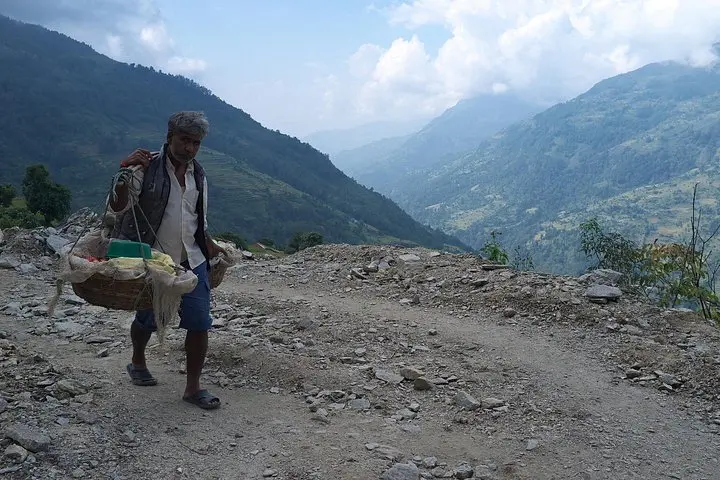
This short, accessible trek routes through the eastern flank of the Annapurna Conservation Area, Nepal’s first community-based protected zone. Geology here is compact — folded Himalayan strata, steep valleys carved by glacial melt and rivers that dare you to listen. Culturally the route threads Gurung and Magar villages, whose slate-roofed houses, terraced rice paddies and local teahouses offer a lived-in counterpoint to the peaks.
Expect 2–5 hour walking days, intermittent elevation gain up to 600 m on the Kande–Australian Camp approach, mainly well-packed trails and rocky steps. Nights are in teahouses or guesthouses; food is basic but hearty. Practicalities: hydrate and pace early for sunrise at Sarangkot (1,600 m); wear sturdy boots for uneven steps; carry sun protection and a light insulating layer for cold evenings. Acclimatize gently — the highest sleeping altitude is about 2,000 m — and respect local waste practices. For travelers wanting a compact Himalayan experience, this seven-day loop balances dramatic mountain views with village trails and straightforward logistics.
No — the route is a non-technical teahouse trek on established trails and stone steps, suitable without climbing equipment.
The highest overnight is about 2,000 m at Australian Camp; altitude sickness risk is low but hydrate, ascend slowly and notify guides of symptoms.
Trekking in the Annapurna Conservation Area requires an ACAP permit and TIMS card; most operators handle these before departure.
Autumn (Sept–Nov) and spring (Mar–May) offer the clearest views and stable weather; monsoon months bring heavy rain and reduced visibility.
Osho world Adventure operates guided outdoor trips and adventures with an emphasis on safety, stewardship, and memorable experiences.
A cool dawn in Pokhara loosens into a bright jeep ride up to Kande, where the trail takes over: stone steps and terraced fields climb under pine and rhododendron until a ridgeline opens on the Australian Base Camp at about 2,000 m. The mountains don’t lurk at a distance — Annapurna South, Machhapuchhre (Fishtail) and Annapurna II stand like patient guardians, their faces changing from gold to hard blue as the day progresses.
A cool dawn in Pokhara loosens into a bright jeep ride up to Kande, where the trail takes over: stone steps and terraced fields climb under pine and rhododendron until a ridgeline opens on the Australian Base Camp at about 2,000 m. The mountains don’t lurk at a distance — Annapurna South, Machhapuchhre (Fishtail) and Annapurna II stand like patient guardians, their faces changing from gold to hard blue as the day progresses.
This short, accessible trek routes through the eastern flank of the Annapurna Conservation Area, Nepal’s first community-based protected zone. Geology here is compact — folded Himalayan strata, steep valleys carved by glacial melt and rivers that dare you to listen. Culturally the route threads Gurung and Magar villages, whose slate-roofed houses, terraced rice paddies and local teahouses offer a lived-in counterpoint to the peaks.
Expect 2–5 hour walking days, intermittent elevation gain up to 600 m on the Kande–Australian Camp approach, mainly well-packed trails and rocky steps. Nights are in teahouses or guesthouses; food is basic but hearty. Practicalities: hydrate and pace early for sunrise at Sarangkot (1,600 m); wear sturdy boots for uneven steps; carry sun protection and a light insulating layer for cold evenings. Acclimatize gently — the highest sleeping altitude is about 2,000 m — and respect local waste practices. For travelers wanting a compact Himalayan experience, this seven-day loop balances dramatic mountain views with village trails and straightforward logistics.