THE ADVENTURE COLLECTIVE® · Independent discovery and booking for outdoor travel

Travel from Busan to Gyeongju, Danyang and Seoraksan in four active days that blend Silla-era history, cliff-top skywalks and coastal observatories. This tour pairs short hikes and cultural sites with regional food and overnight stays in 3‑star hotels.
Travel from Busan to Gyeongju, Danyang and Seoraksan in four active days that blend Silla-era history, cliff-top skywalks and coastal observatories. This tour pairs short hikes and cultural sites with regional food and overnight stays in 3‑star hotels.
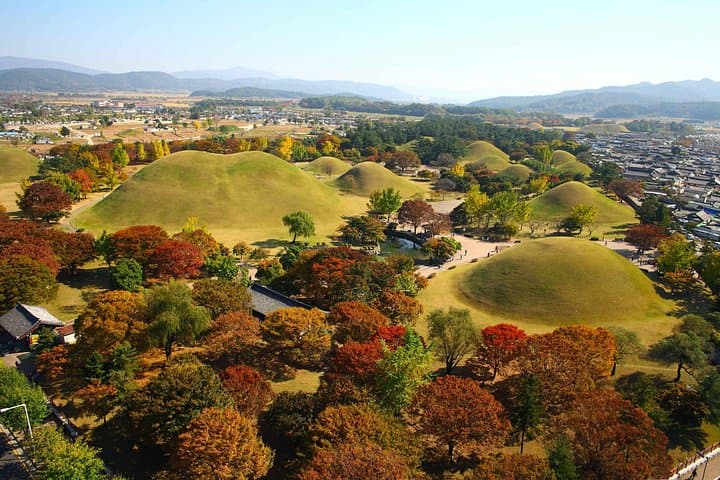
A morning in Busan unfolds with the city’s harbor light cutting across glassy water; the coach collects the group and heads north, trading seaside high-rises for rice paddies and low mountain ridgelines. Over four days the route threads through Gyeongju’s ancient burial mounds, the limestone gorges of Danyang and the granite faces of Seoraksan before finishing at the eastern DMZ observatory and Seoul.
Verified experiences and guided adventures in the surrounding area.
Operated by Etrip Inc. · Busan, Busan
A morning in Busan unfolds with the city’s harbor light cutting across glassy water; the coach collects the group and heads north, trading seaside high-rises for rice paddies and low mountain ridgelines. Over four days the route threads through Gyeongju’s ancient burial mounds, the limestone gorges of Danyang and the granite faces of Seoraksan before finishing at the eastern DMZ observatory and Seoul.
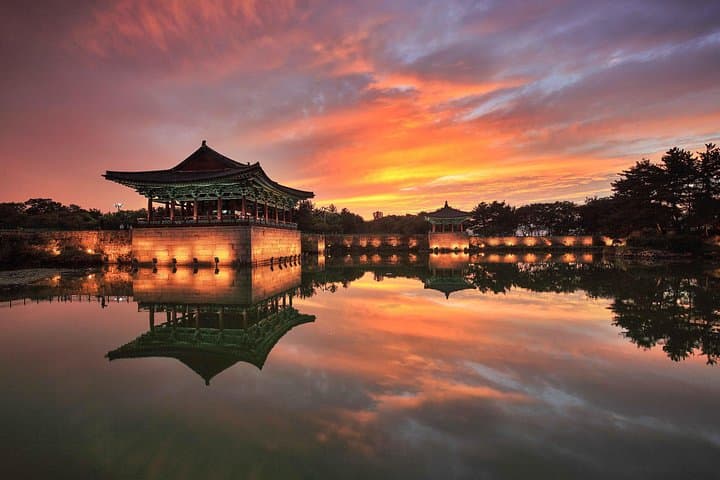
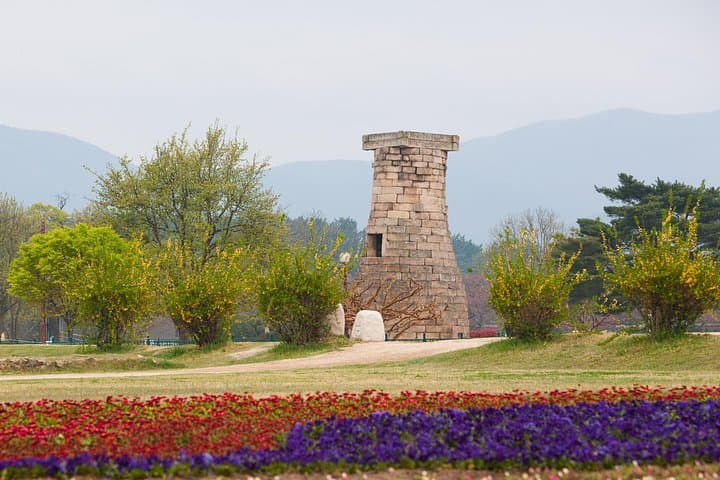
Gyeongju, once the capital of Silla (57 BCE–935 CE), is living history: Cheomseongdae, a 9‑meter observatory of 365 stones, and the Donggung Palace complex recall an era of centralized court culture. Inland, Danyang’s river trails and the 1.2‑km Danyanggang Jando walk reveal karst geology and sheer cliffs where the Mancheonha Skywalk perches 80–90 meters above the Namhangang. In Seoraksan, Gwongeumseong Fortress sits at roughly 800 m elevation—accessible by trail or cable car—offering broad views of jagged granite spires and the East Sea beyond.
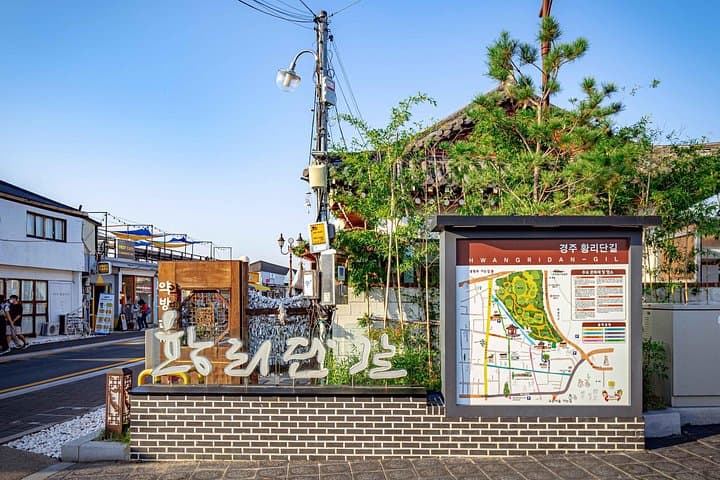
Expect moderate daily activity: short hikes, village walks, and multiple museum and temple visits interspersed with regional meals. Practicalities matter here—comfortable footwear, layered clothing for mountain and coastal microclimates, and a small daypack for water and documentation. Travelers should allow time for narrow streets in hanok districts and plan early departures to avoid afternoon crowds at popular viewpoints. The itinerary balances cultural immersion—folk villages and Confucian academies—with geology and coastal ecology, making it a compact, varied introduction to Korea’s eastern spine.
The tour includes short hikes, temples with steps and uneven surfaces; it’s not recommended for travelers with significant mobility limitations or spinal/heart conditions.
Standard guides operate in the tour language; French, German and Spanish guides can be arranged by prior request—contact the operator before booking.
The itinerary includes breakfast and lunch on specified days and 3‑star hotel accommodations as noted; dinners are typically independent to allow local dining choices.
Yes—there is a cable car option to access Gwongeumseong; availability may vary by season and is subject to queues or weather.
Etrip Inc. operates guided outdoor trips and adventures with an emphasis on safety, stewardship, and memorable experiences.
A morning in Busan unfolds with the city’s harbor light cutting across glassy water; the coach collects the group and heads north, trading seaside high-rises for rice paddies and low mountain ridgelines. Over four days the route threads through Gyeongju’s ancient burial mounds, the limestone gorges of Danyang and the granite faces of Seoraksan before finishing at the eastern DMZ observatory and Seoul.
A morning in Busan unfolds with the city’s harbor light cutting across glassy water; the coach collects the group and heads north, trading seaside high-rises for rice paddies and low mountain ridgelines. Over four days the route threads through Gyeongju’s ancient burial mounds, the limestone gorges of Danyang and the granite faces of Seoraksan before finishing at the eastern DMZ observatory and Seoul.
Gyeongju, once the capital of Silla (57 BCE–935 CE), is living history: Cheomseongdae, a 9‑meter observatory of 365 stones, and the Donggung Palace complex recall an era of centralized court culture. Inland, Danyang’s river trails and the 1.2‑km Danyanggang Jando walk reveal karst geology and sheer cliffs where the Mancheonha Skywalk perches 80–90 meters above the Namhangang. In Seoraksan, Gwongeumseong Fortress sits at roughly 800 m elevation—accessible by trail or cable car—offering broad views of jagged granite spires and the East Sea beyond.
Expect moderate daily activity: short hikes, village walks, and multiple museum and temple visits interspersed with regional meals. Practicalities matter here—comfortable footwear, layered clothing for mountain and coastal microclimates, and a small daypack for water and documentation. Travelers should allow time for narrow streets in hanok districts and plan early departures to avoid afternoon crowds at popular viewpoints. The itinerary balances cultural immersion—folk villages and Confucian academies—with geology and coastal ecology, making it a compact, varied introduction to Korea’s eastern spine.