THE ADVENTURE COLLECTIVE® · Independent discovery and booking for outdoor travel

Walk Sapporo’s working heart from early civic buildings to the bustling Nijo Market, capped by a fresh seafood lunch and a view from Sapporo TV Tower. This 2–3 hour guided tour pairs local history with market flavors.
Walk Sapporo’s working heart from early civic buildings to the bustling Nijo Market, capped by a fresh seafood lunch and a view from Sapporo TV Tower. This 2–3 hour guided tour pairs local history with market flavors.
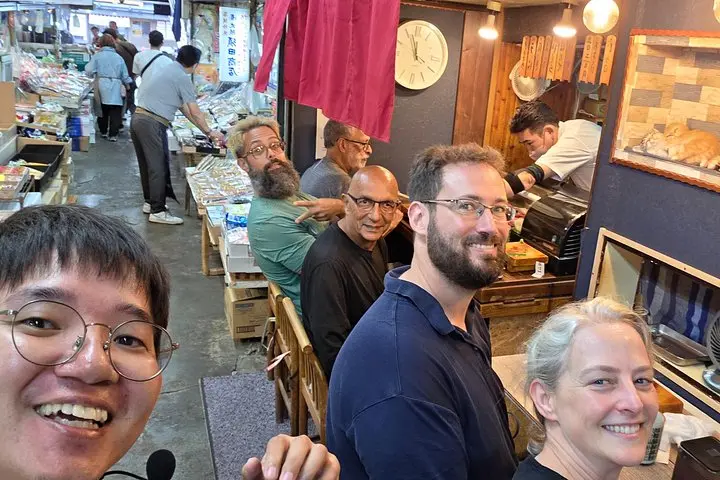
A cool morning wind from the Toyohira River pushes through Sapporo's grid as your guide raises a dark-blue sign that reads “KAPPO SAPPORO.” You step off the main street and into a compact slice of the city's working life: old municipal buildings, a quietly proud shrine, and finally the bright bustle of Nijo Market where fishmongers call and knives flash.
Verified experiences and guided adventures in the surrounding area.
Operated by 株式会社エゾシカ旅行社 · Sapporo, Hokkaido
A cool morning wind from the Toyohira River pushes through Sapporo's grid as your guide raises a dark-blue sign that reads “KAPPO SAPPORO.” You step off the main street and into a compact slice of the city's working life: old municipal buildings, a quietly proud shrine, and finally the bright bustle of Nijo Market where fishmongers call and knives flash.
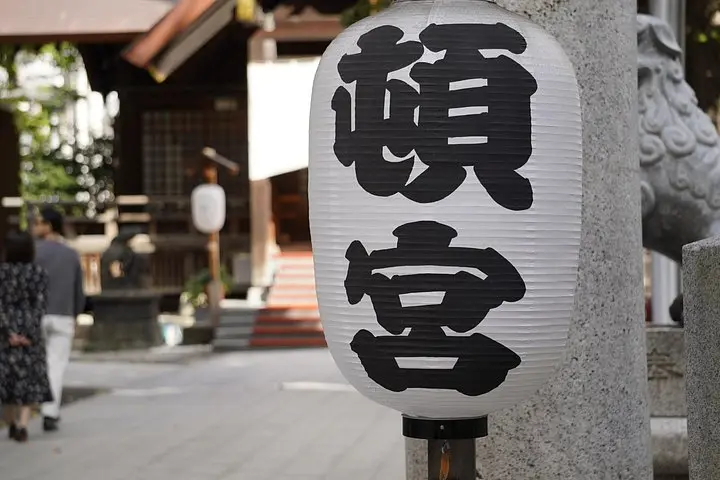
This walk threads together Sapporo’s rapid development in the Meiji and Taisho eras — Sosei East's reclaimed blocks and the Oldest Bridge speak to early urban planning — with living culture: Hokkaido Jingu Tonguu remains a neighborhood spiritual anchor and Nijo Market, historically called the “People’s Kitchen,” still supplies families and restaurants with daily catches.
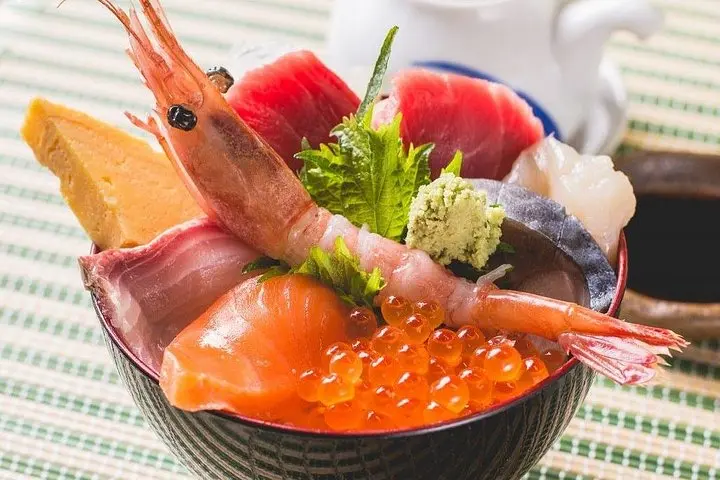
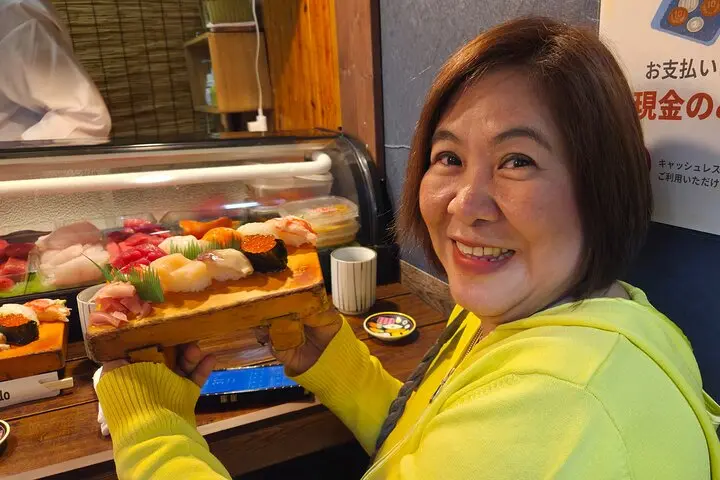
Geology here is subtle: volcanic soils from nearby ranges made Hokkaido fertile, and the city's grid follows flat marshland that was systematically drained and surveyed during settlement. The tour ends with a market lunch — sushi or donburi — showcasing Hokkaido’s cold-water seafood and coastal flavors.
Practical guidance: plan for 2–3 hours, bring yen for small vendors, and flag allergies ahead (shellfish are central). Comfortable walking shoes and a compact umbrella will make the walk easier; the guide provides English and Japanese commentary and includes entry to the Sapporo TV Tower observation deck for a 90 m panorama. Small groups keep the experience personal; if you want photos, arrive early for softer light on the market stalls.
The guide waits in front of the designated building holding a dark-blue board that says “KAPPO SAPPORO”—confirm the exact street address on your booking voucher.
Lunch at Nijo Market is included (sushi or donburi); notify the operator of allergies or dietary restrictions when booking since seafood is central.
The tour is rated easy and suitable for most ages, but participants should be able to walk short distances and stand during market visits; contact the operator for accessibility specifics.
Live guide commentary is provided in English and Japanese.
株式会社エゾシカ旅行社 operates guided outdoor trips and adventures with an emphasis on safety, stewardship, and memorable experiences.
A cool morning wind from the Toyohira River pushes through Sapporo's grid as your guide raises a dark-blue sign that reads “KAPPO SAPPORO.” You step off the main street and into a compact slice of the city's working life: old municipal buildings, a quietly proud shrine, and finally the bright bustle of Nijo Market where fishmongers call and knives flash.
A cool morning wind from the Toyohira River pushes through Sapporo's grid as your guide raises a dark-blue sign that reads “KAPPO SAPPORO.” You step off the main street and into a compact slice of the city's working life: old municipal buildings, a quietly proud shrine, and finally the bright bustle of Nijo Market where fishmongers call and knives flash.
This walk threads together Sapporo’s rapid development in the Meiji and Taisho eras — Sosei East's reclaimed blocks and the Oldest Bridge speak to early urban planning — with living culture: Hokkaido Jingu Tonguu remains a neighborhood spiritual anchor and Nijo Market, historically called the “People’s Kitchen,” still supplies families and restaurants with daily catches.
Geology here is subtle: volcanic soils from nearby ranges made Hokkaido fertile, and the city's grid follows flat marshland that was systematically drained and surveyed during settlement. The tour ends with a market lunch — sushi or donburi — showcasing Hokkaido’s cold-water seafood and coastal flavors.
Practical guidance: plan for 2–3 hours, bring yen for small vendors, and flag allergies ahead (shellfish are central). Comfortable walking shoes and a compact umbrella will make the walk easier; the guide provides English and Japanese commentary and includes entry to the Sapporo TV Tower observation deck for a 90 m panorama. Small groups keep the experience personal; if you want photos, arrive early for softer light on the market stalls.