THE ADVENTURE COLLECTIVE® · Independent discovery and booking for outdoor travel

Spend a full day moving from the packed lanes of Chandni Chowk and Khari Baoli to the boutique streets of Khan Market and the handcraft stalls at Dilli Haat. This guided market tour blends history, flavor, and smart shopping tips for an efficient, sensory day in Delhi.
Spend a full day moving from the packed lanes of Chandni Chowk and Khari Baoli to the boutique streets of Khan Market and the handcraft stalls at Dilli Haat. This guided market tour blends history, flavor, and smart shopping tips for an efficient, sensory day in Delhi.
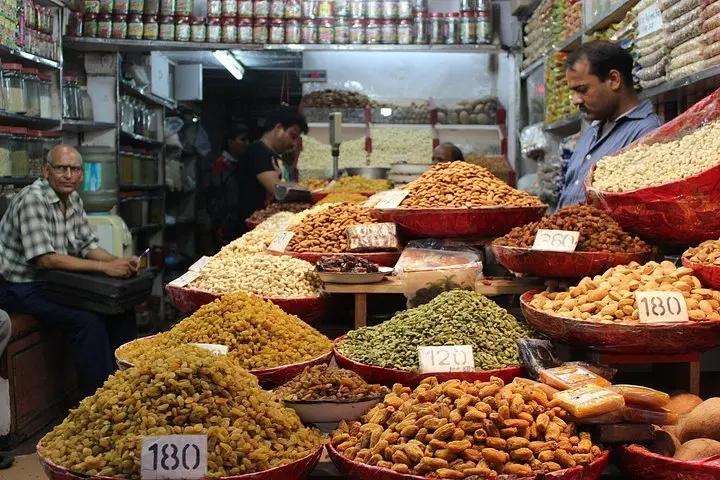
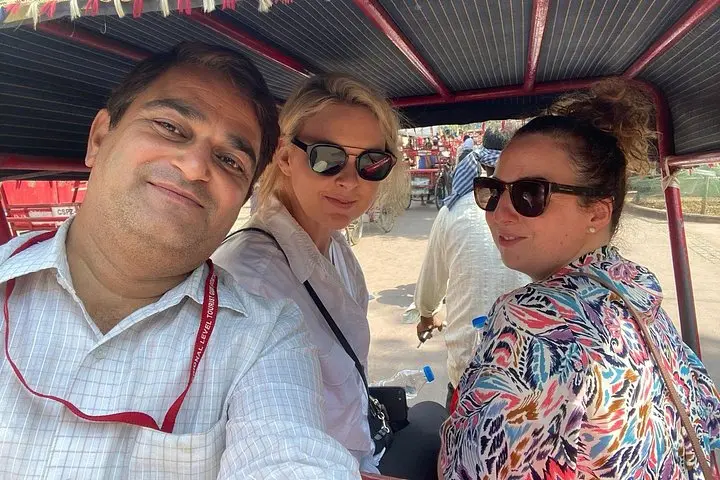
The morning in Old Delhi arrives as a rush: rickshaws thread through narrow lanes, spice sacks rise like punctuation, and the air itself seems to bargain — sweet cardamom nudging citrus, turmeric casting a yellow light over hands counting rupees. This day tour begins in Chandni Chowk, where alleys cut history into the city and merchants still trade in rhythms set centuries ago.
Verified experiences and guided adventures in the surrounding area.
Operated by Agora Voyages Pvt. Ltd. · Delhi, Delhi
The morning in Old Delhi arrives as a rush: rickshaws thread through narrow lanes, spice sacks rise like punctuation, and the air itself seems to bargain — sweet cardamom nudging citrus, turmeric casting a yellow light over hands counting rupees. This day tour begins in Chandni Chowk, where alleys cut history into the city and merchants still trade in rhythms set centuries ago.
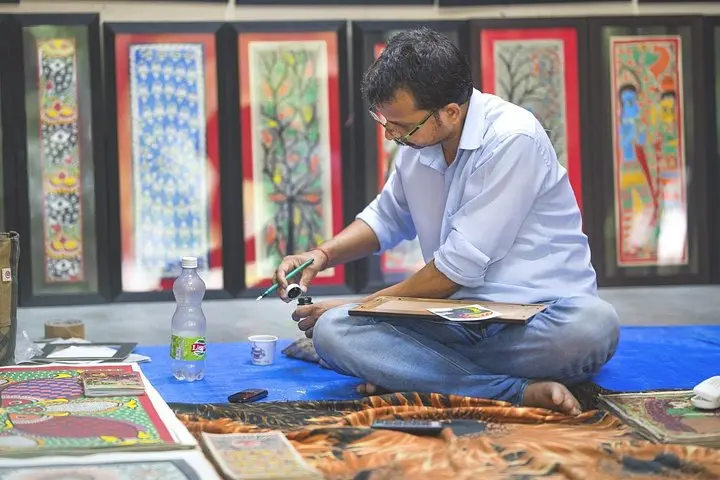
Delhi’s markets are built on layers of history. Chandni Chowk dates to the Mughal period and grew beside the Yamuna’s alluvial plain, which long ago guided trade routes into what is now Old Delhi. Khari Baoli, Asia’s oldest wholesale spice market, demonstrates the city’s role as a regional distribution hub, while Dilli Haat celebrates craft traditions from across India and Khan Market reflects 20th-century diplomatic-era tastes.
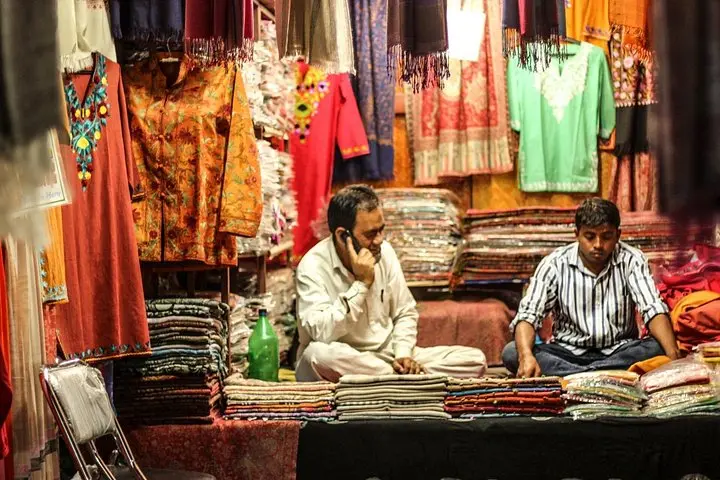
Cultural cues are immediate: bargaining is expected, touch is part of inspection, and food is both sustenance and a show. The crowds and narrow lanes demand attention; pockets of calm—temple courtyards, courtyard cafés—offer breathing room between shopping sprints.
Practical guidance: plan a full day (about 8–9 hours) and wear comfortable shoes; carry small-denomination cash and a lightweight backpack. Aim to start early to avoid midafternoon heat and pack a reusable water bottle. Be mindful of personal belongings in crowded markets and ask before photographing vendors who work on personal or sacred items. The itinerary moves from the sensory overload of Khari Baoli to bargain-hunting at Sarojini Nagar, a sit-down lunch, then boutique browsing in Khan Market and handicrafts at Dilli Haat—finishing with the eclectic stalls of Janpath as the light softens.
This tour is less about sightseeing landmarks than it is about feeling the city’s commerce come alive—fast, tactile, and unmistakably Delhi.
The tour runs about 8–9 hours, typically starting around 9:00 am with hotel pickup and ending with a hotel drop-off in the evening.
Yes — bargaining is expected at street markets like Sarojini Nagar and Janpath; start low and meet in the middle, while fixed-price shops like many at Khan Market usually do not negotiate.
Lunch is offered as an option in the booking; otherwise your guide can recommend local restaurants and street-food choices based on your preferences.
Yes; the tour is listed as physically easy and is stroller-accessible, but keep children close in crowded lanes and during rickshaw transfers.
Agora Voyages Pvt. Ltd. operates guided outdoor trips and adventures with an emphasis on safety, stewardship, and memorable experiences.
The morning in Old Delhi arrives as a rush: rickshaws thread through narrow lanes, spice sacks rise like punctuation, and the air itself seems to bargain — sweet cardamom nudging citrus, turmeric casting a yellow light over hands counting rupees. This day tour begins in Chandni Chowk, where alleys cut history into the city and merchants still trade in rhythms set centuries ago.
The morning in Old Delhi arrives as a rush: rickshaws thread through narrow lanes, spice sacks rise like punctuation, and the air itself seems to bargain — sweet cardamom nudging citrus, turmeric casting a yellow light over hands counting rupees. This day tour begins in Chandni Chowk, where alleys cut history into the city and merchants still trade in rhythms set centuries ago.
Delhi’s markets are built on layers of history. Chandni Chowk dates to the Mughal period and grew beside the Yamuna’s alluvial plain, which long ago guided trade routes into what is now Old Delhi. Khari Baoli, Asia’s oldest wholesale spice market, demonstrates the city’s role as a regional distribution hub, while Dilli Haat celebrates craft traditions from across India and Khan Market reflects 20th-century diplomatic-era tastes.
Cultural cues are immediate: bargaining is expected, touch is part of inspection, and food is both sustenance and a show. The crowds and narrow lanes demand attention; pockets of calm—temple courtyards, courtyard cafés—offer breathing room between shopping sprints.
Practical guidance: plan a full day (about 8–9 hours) and wear comfortable shoes; carry small-denomination cash and a lightweight backpack. Aim to start early to avoid midafternoon heat and pack a reusable water bottle. Be mindful of personal belongings in crowded markets and ask before photographing vendors who work on personal or sacred items. The itinerary moves from the sensory overload of Khari Baoli to bargain-hunting at Sarojini Nagar, a sit-down lunch, then boutique browsing in Khan Market and handicrafts at Dilli Haat—finishing with the eclectic stalls of Janpath as the light softens.
This tour is less about sightseeing landmarks than it is about feeling the city’s commerce come alive—fast, tactile, and unmistakably Delhi.