THE ADVENTURE COLLECTIVE® · Independent discovery and booking for outdoor travel

An intimate, private 8-day loop through eastern Sicily: crater walks on Mount Etna, Baroque towns rebuilt after 1693, hands-on cooking and vineyard visits. Expect varied terrain, family-run agriturismo stays, and concentrated local flavors.
An intimate, private 8-day loop through eastern Sicily: crater walks on Mount Etna, Baroque towns rebuilt after 1693, hands-on cooking and vineyard visits. Expect varied terrain, family-run agriturismo stays, and concentrated local flavors.
You step from the air-conditioned vehicle onto volcanic dust, the slope of Mount Etna rising like a living map above you. Pine-scented breezes push across terraces of vines and olive trees; in the distance Taormina perches on its ridge and the Ionian Sea glints. The tour moves at a deliberate pace—days on Etna’s black rock, evenings under low-slung Sicilian skies over agriturismo dinners.
Verified experiences and guided adventures in the surrounding area.
Operated by Events in Italy · Catania, Sicily
You step from the air-conditioned vehicle onto volcanic dust, the slope of Mount Etna rising like a living map above you. Pine-scented breezes push across terraces of vines and olive trees; in the distance Taormina perches on its ridge and the Ionian Sea glints. The tour moves at a deliberate pace—days on Etna’s black rock, evenings under low-slung Sicilian skies over agriturismo dinners.
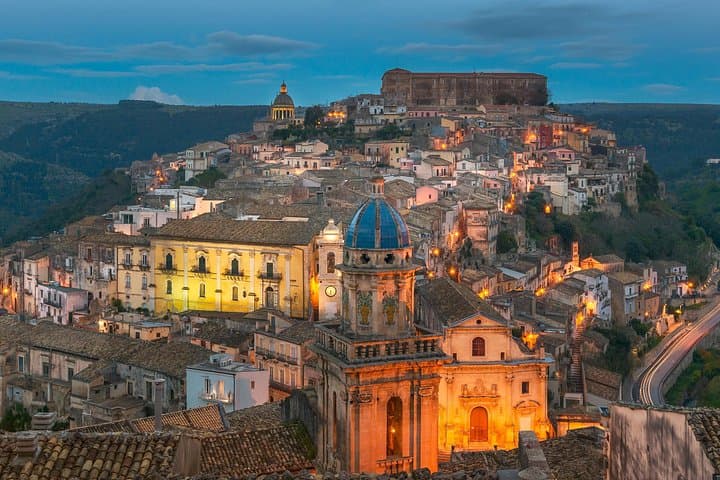
Sicily’s story is on every street and slope: Greek settlements, Arab irrigation, Norman churches and the long aftershock of the 1693 earthquake that reshaped the southeast into the Baroque towns you’ll walk—Noto, Ragusa Ibla, Modica, Scicli. Geologically, Etna is Europe’s highest active volcano; this itinerary commonly brings you to roughly 2,000 m for short crater walks across basaltic fields where new rock keeps its heat and its attitude.
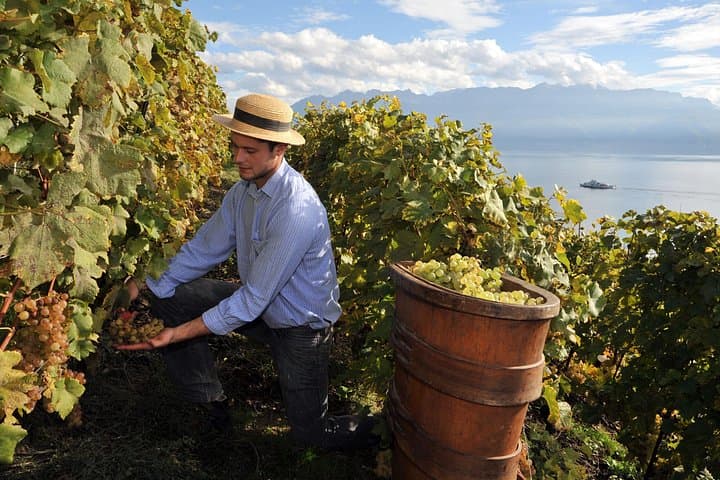
Culturally the island is tactile—fresh ricotta and honey at breakfast, hands-on cooking classes, and family-run wineries producing minerally Etna reds and whites. Expect private transfers, a local guide, and two distinct bases: a hotel on Etna’s flank and an agriturismo near Scicli.
Practical edge: volcanic terrain is uneven and dusty, so sturdy boots and layers matter; mornings can be calm and hot on the coast, afternoons cooler on the mountain. Plan for repeated short walks (1–3 km) at altitude, liberal stops for wine and shade, and single-room comfort in rural hospitality. Carry water, sun protection, and a flexible spirit—the island rewards curiosity and patience.
No; the tour reaches about 2,000 m with short guided walks across volcanic fields—basic mobility and steady footing are sufficient.
The itinerary includes multiple breakfasts, several lunches and dinners, and organized winery tastings as listed in the tour inclusions.
Most departures start from Catania Airport where a driver meets you; the tour returns to Catania for departure on day eight.
Yes—private tours and agriturismi generally accommodate dietary needs if informed at booking; specify allergies and preferences in advance.
Events in Italy operates guided outdoor trips and adventures with an emphasis on safety, stewardship, and memorable experiences.
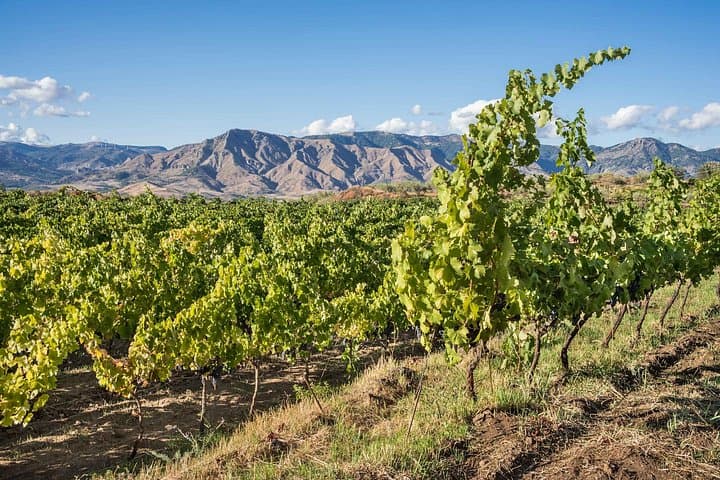
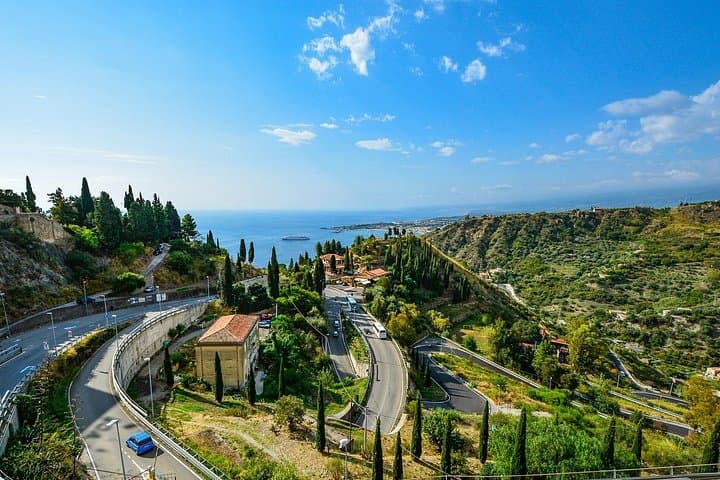
You step from the air-conditioned vehicle onto volcanic dust, the slope of Mount Etna rising like a living map above you. Pine-scented breezes push across terraces of vines and olive trees; in the distance Taormina perches on its ridge and the Ionian Sea glints. The tour moves at a deliberate pace—days on Etna’s black rock, evenings under low-slung Sicilian skies over agriturismo dinners.
You step from the air-conditioned vehicle onto volcanic dust, the slope of Mount Etna rising like a living map above you. Pine-scented breezes push across terraces of vines and olive trees; in the distance Taormina perches on its ridge and the Ionian Sea glints. The tour moves at a deliberate pace—days on Etna’s black rock, evenings under low-slung Sicilian skies over agriturismo dinners.
Sicily’s story is on every street and slope: Greek settlements, Arab irrigation, Norman churches and the long aftershock of the 1693 earthquake that reshaped the southeast into the Baroque towns you’ll walk—Noto, Ragusa Ibla, Modica, Scicli. Geologically, Etna is Europe’s highest active volcano; this itinerary commonly brings you to roughly 2,000 m for short crater walks across basaltic fields where new rock keeps its heat and its attitude.
Culturally the island is tactile—fresh ricotta and honey at breakfast, hands-on cooking classes, and family-run wineries producing minerally Etna reds and whites. Expect private transfers, a local guide, and two distinct bases: a hotel on Etna’s flank and an agriturismo near Scicli.
Practical edge: volcanic terrain is uneven and dusty, so sturdy boots and layers matter; mornings can be calm and hot on the coast, afternoons cooler on the mountain. Plan for repeated short walks (1–3 km) at altitude, liberal stops for wine and shade, and single-room comfort in rural hospitality. Carry water, sun protection, and a flexible spirit—the island rewards curiosity and patience.