THE ADVENTURE COLLECTIVE® · Independent discovery and booking for outdoor travel

Walk through Kyoto’s southern treasures in a single autumn day: Byodoin’s Phoenix Hall in Uji, the torii tunnels of Fushimi Inari, and Tofukuji’s famed fall color. This guided route pairs cultural context with practical pacing for a full-day foliage experience.
Walk through Kyoto’s southern treasures in a single autumn day: Byodoin’s Phoenix Hall in Uji, the torii tunnels of Fushimi Inari, and Tofukuji’s famed fall color. This guided route pairs cultural context with practical pacing for a full-day foliage experience.
A cool, crisp morning begins at Kyoto Station and the city’s south unfurls like a map of layered time: Edo-era merchants, Heian courtiers and temple carp reflecting a pale sky. The tour threads Uji’s reflective river and Byodoin’s Phoenix Hall, moves through the luminous tunnels of vermilion torii at Fushimi Inari, and finishes beneath Tofukuji’s Tsutenkyo Bridge where maple leaves set the valley alight.
Verified experiences and guided adventures in the surrounding area.
Operated by OTOMO Travel Guide · Kyoto, Kyoto Prefecture
A cool, crisp morning begins at Kyoto Station and the city’s south unfurls like a map of layered time: Edo-era merchants, Heian courtiers and temple carp reflecting a pale sky. The tour threads Uji’s reflective river and Byodoin’s Phoenix Hall, moves through the luminous tunnels of vermilion torii at Fushimi Inari, and finishes beneath Tofukuji’s Tsutenkyo Bridge where maple leaves set the valley alight.
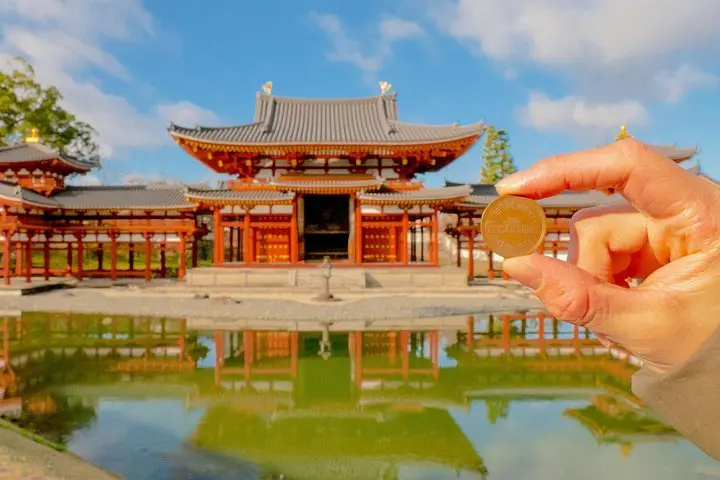
Uji’s history is steeped in tea culture and a Heian-period shift toward river trade; Byodoin’s Phoenix Hall (displayed on the 10-yen coin) encapsulates Pure Land Buddhist aesthetics. Fushimi Inari’s thousand gates are donations and prayers given over centuries, carving a ritual route through granite ridgelines. Tofukuji, a large Zen temple complex founded in the 13th century, sits on varied bedrock that channels streams into landscaped ponds, accentuating seasonal color.
Expect lots of walking, stairs, and changing light—crowds concentrate at core viewpoints mid-morning and late afternoon. Local insights: try a Uji tea tasting, scan approach streets for family-run shops, and pause on small bridges for river views.
Practical guidance: arrive at the meeting point on time, carry cash for small entrances and snacks, wear grippy shoes for stone steps, and layer for sudden temperature drops under the forest canopy. The route is best in clear weather for foliage color and photography; winter chill and rain can limit views. This private, expert-led route balances cultural depth with outdoor pacing—an accessible full-day walk through Kyoto’s southern cultural landscape.
No; the tour price does not include individual entrance fees, food or purchases—these are paid by participants on site.
No; the itinerary includes many stairs and uneven paths and is not recommended for wheelchair users or those with significant mobility limitations.
Walking segments vary; expect short transfers by public transport plus 30–60 minutes of walking at several stops; the tour total runs about six hours including transit time.
Yes; private guides on this tour provide English commentary and local context throughout the route.
OTOMO Travel Guide operates guided outdoor trips and adventures with an emphasis on safety, stewardship, and memorable experiences.
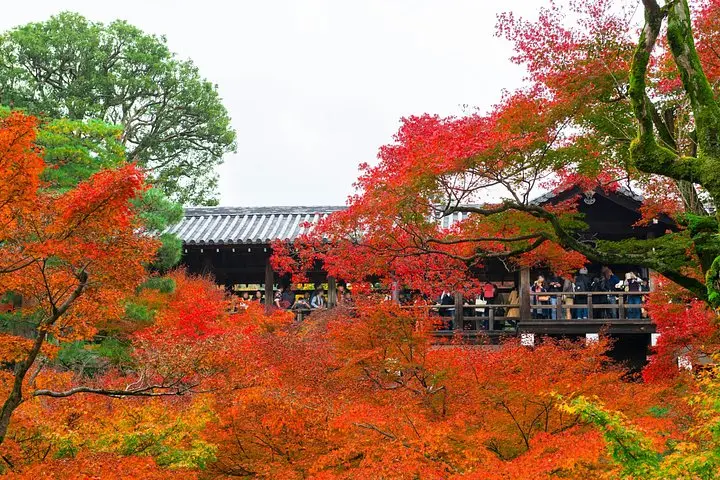
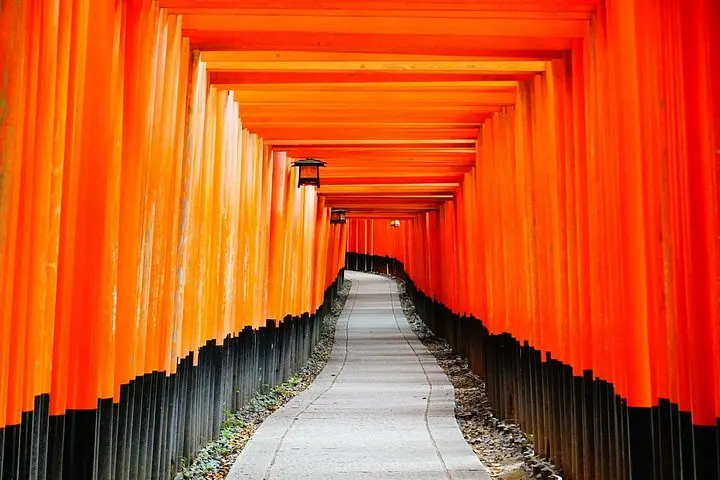
A cool, crisp morning begins at Kyoto Station and the city’s south unfurls like a map of layered time: Edo-era merchants, Heian courtiers and temple carp reflecting a pale sky. The tour threads Uji’s reflective river and Byodoin’s Phoenix Hall, moves through the luminous tunnels of vermilion torii at Fushimi Inari, and finishes beneath Tofukuji’s Tsutenkyo Bridge where maple leaves set the valley alight.
A cool, crisp morning begins at Kyoto Station and the city’s south unfurls like a map of layered time: Edo-era merchants, Heian courtiers and temple carp reflecting a pale sky. The tour threads Uji’s reflective river and Byodoin’s Phoenix Hall, moves through the luminous tunnels of vermilion torii at Fushimi Inari, and finishes beneath Tofukuji’s Tsutenkyo Bridge where maple leaves set the valley alight.
Uji’s history is steeped in tea culture and a Heian-period shift toward river trade; Byodoin’s Phoenix Hall (displayed on the 10-yen coin) encapsulates Pure Land Buddhist aesthetics. Fushimi Inari’s thousand gates are donations and prayers given over centuries, carving a ritual route through granite ridgelines. Tofukuji, a large Zen temple complex founded in the 13th century, sits on varied bedrock that channels streams into landscaped ponds, accentuating seasonal color.
Expect lots of walking, stairs, and changing light—crowds concentrate at core viewpoints mid-morning and late afternoon. Local insights: try a Uji tea tasting, scan approach streets for family-run shops, and pause on small bridges for river views.
Practical guidance: arrive at the meeting point on time, carry cash for small entrances and snacks, wear grippy shoes for stone steps, and layer for sudden temperature drops under the forest canopy. The route is best in clear weather for foliage color and photography; winter chill and rain can limit views. This private, expert-led route balances cultural depth with outdoor pacing—an accessible full-day walk through Kyoto’s southern cultural landscape.