THE ADVENTURE COLLECTIVE® · Independent discovery and booking for outdoor travel

Explore Avarua on a concise 90-minute walking tour that stitches together Rarotonga’s colonial buildings, mission churches, and local stories. Perfect for travelers who want historical context, local color, and light tropical refreshments.
Explore Avarua on a concise 90-minute walking tour that stitches together Rarotonga’s colonial buildings, mission churches, and local stories. Perfect for travelers who want historical context, local color, and light tropical refreshments.
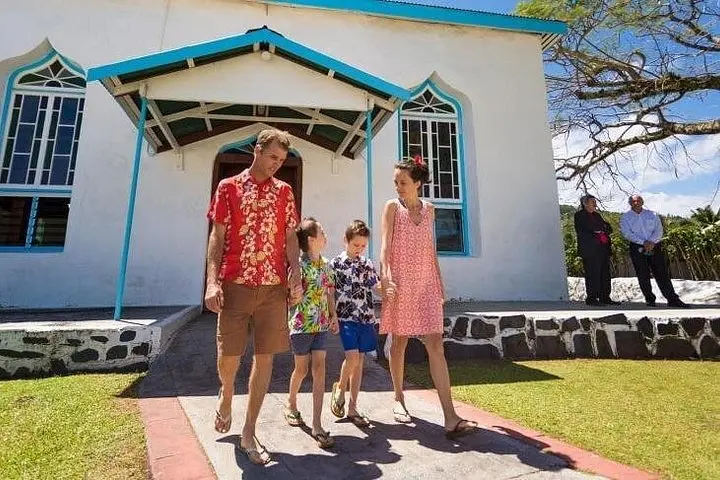
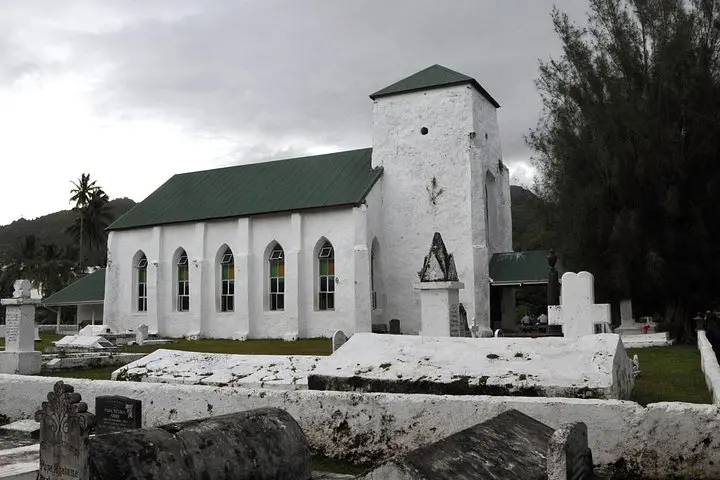
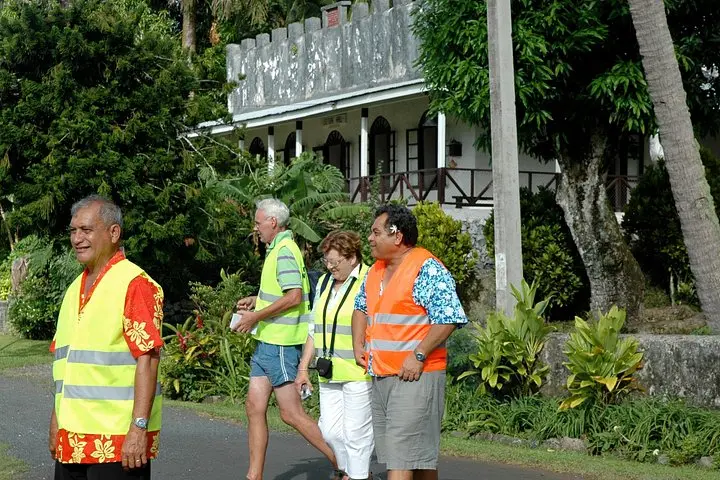
You step off the ferry into Avarua and the town greets you with sun-warmed coral streets, the slow cry of seabirds, and a guide who carries decades of local memory. The short walk moves at island pace—past the Palace of Justice, a whitewashed mission church, and a compact university campus—each building a page in Rarotonga’s layered story.
Verified experiences and guided adventures in the surrounding area.
Operated by Cook Islands Tours · Avarua, Rarotonga
You step off the ferry into Avarua and the town greets you with sun-warmed coral streets, the slow cry of seabirds, and a guide who carries decades of local memory. The short walk moves at island pace—past the Palace of Justice, a whitewashed mission church, and a compact university campus—each building a page in Rarotonga’s layered story.
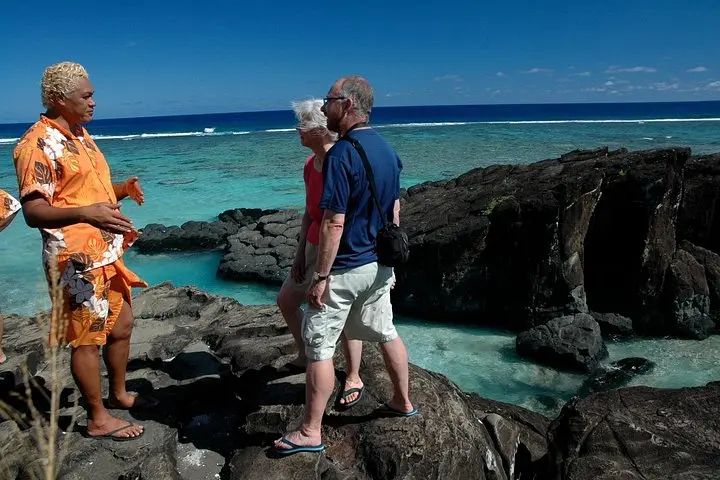
Geologically the island is a raised volcanic cone ringed by a living reef; downtown Avarua occupies the flatter coastal shelf where colonial administration and local trade have concentrated for generations. The walking tour frames this physical setting with history: the arrival of missionaries in the 19th century, the shift to self-government, and how traditional Polynesian land use met modern institutions. Guides point out architectural details—coral-block foundations, old stone walls—and tell stories about families and events that shaped civic life.
Culturally the tour is conversational. You’ll hear about local customs, the role of church in daily life, and contemporary Cook Islands identity. The experience also connects to practical urban rhythms: market stalls, tuk-tuks, and the harbor where fishing boats anchor.
Practical guidance: the tour lasts about 90 minutes and covers paved streets and short stretches of uneven sidewalk—comfortable walking shoes and sun protection are essential. Light tropical refreshments are included; bring water if you’re heat-sensitive. The group size is small (up to 20), and the pace suits most fitness levels, but it’s not recommended for travelers with serious spinal or cardiovascular conditions. Aim for morning or late afternoon to avoid midday heat and to catch the market when it’s liveliest.
The guided walk runs about 90 minutes and covers downtown Avarua on mostly paved streets.
The route is easy but includes uneven sidewalks and curbs; it’s not recommended for travelers with serious spinal injuries or limited mobility.
Tours are typically offered in English; check booking notes for availability of other languages or private guides.
Light refreshments—tropical fruit and juice—are included in the tour price; bring extra water for hot days.
Cook Islands Tours operates guided outdoor trips and adventures with an emphasis on safety, stewardship, and memorable experiences.
You step off the ferry into Avarua and the town greets you with sun-warmed coral streets, the slow cry of seabirds, and a guide who carries decades of local memory. The short walk moves at island pace—past the Palace of Justice, a whitewashed mission church, and a compact university campus—each building a page in Rarotonga’s layered story.
You step off the ferry into Avarua and the town greets you with sun-warmed coral streets, the slow cry of seabirds, and a guide who carries decades of local memory. The short walk moves at island pace—past the Palace of Justice, a whitewashed mission church, and a compact university campus—each building a page in Rarotonga’s layered story.
Geologically the island is a raised volcanic cone ringed by a living reef; downtown Avarua occupies the flatter coastal shelf where colonial administration and local trade have concentrated for generations. The walking tour frames this physical setting with history: the arrival of missionaries in the 19th century, the shift to self-government, and how traditional Polynesian land use met modern institutions. Guides point out architectural details—coral-block foundations, old stone walls—and tell stories about families and events that shaped civic life.
Culturally the tour is conversational. You’ll hear about local customs, the role of church in daily life, and contemporary Cook Islands identity. The experience also connects to practical urban rhythms: market stalls, tuk-tuks, and the harbor where fishing boats anchor.
Practical guidance: the tour lasts about 90 minutes and covers paved streets and short stretches of uneven sidewalk—comfortable walking shoes and sun protection are essential. Light tropical refreshments are included; bring water if you’re heat-sensitive. The group size is small (up to 20), and the pace suits most fitness levels, but it’s not recommended for travelers with serious spinal or cardiovascular conditions. Aim for morning or late afternoon to avoid midday heat and to catch the market when it’s liveliest.