THE ADVENTURE COLLECTIVE® · Independent discovery and booking for outdoor travel

A focused full-day from Porto that pairs a classic moliceiro boat ride through Aveiro’s canals with a beach visit to Costa Nova and a tour of the historic Vista Alegre porcelain works. Expect local sweets, a regional lunch and easy walking along flat streets and lagoon shores.
A focused full-day from Porto that pairs a classic moliceiro boat ride through Aveiro’s canals with a beach visit to Costa Nova and a tour of the historic Vista Alegre porcelain works. Expect local sweets, a regional lunch and easy walking along flat streets and lagoon shores.
You step off the coach as a low salt wind presses against the moliceiro boats gliding through Aveiro’s canals, their curved prows bobbing like painted promises. Brightly coloured hulls push quietly past arched bridges while gulls argue over the wake. The day unfolds across castles, canal streets, lagoon shores and a factory-museum where porcelain stories sit on shelves like recorded conversations.
Verified experiences and guided adventures in the surrounding area.
Operated by North-On-Wheels · Aveiro, Aveiro District
You step off the coach as a low salt wind presses against the moliceiro boats gliding through Aveiro’s canals, their curved prows bobbing like painted promises. Brightly coloured hulls push quietly past arched bridges while gulls argue over the wake. The day unfolds across castles, canal streets, lagoon shores and a factory-museum where porcelain stories sit on shelves like recorded conversations.
Aveiro grew where the River Vouga met the Atlantic; the Ria de Aveiro lagoon shaped local life for centuries — salt pans, fishing families and the moliceiro skippers who once hauled seaweed for fertilizer. Santa Maria da Feira’s fairy-tale castle speaks to medieval defenses and annual fairs, while Costa Nova’s striped palheiros reveal a late-19th-century bathing-culture turn that painted fishermen’s huts into summer stage sets. Vista Alegre porcelain, established in the 19th century, charts Portugal’s industrial and artistic shift through ornate services and factory archives.
Expect easy walking on cobbles and flat canal promenades, a roughly 40–60 minute moliceiro cruise, a regional multi-course lunch with local wine, and a beach stop at Costa Nova where low dunes meet the Atlantic. Wildlife in the Ria — wading birds and occasional flamingos — make brief appearances near the salt marshes.
Practical: wear comfortable, slip-resistant shoes for cobbles and wet decks, bring sun protection and a light waterproof layer, and carry a refillable water bottle. Morning pickups in Porto mean an early start; bring a small daypack for camera, binoculars and any purchases. The pace is relaxed but full — cultural stops and natural views are compacted into a well-planned ten-hour loop back to Porto by evening.
The tour is approximately 10 hours and includes round-trip transport from Porto, a moliceiro boat cruise, tasting stops (Fogaça and Ovos Moles), a regional lunch, visits to Costa Nova and the Vista Alegre museum.
Moliceiro boats are low and boarding requires stepping down to a dock; the tour is listed as easy but those with limited mobility should check pickup and boat-access options before booking.
A regional lunch and the moliceiro cruise are included; museum admission and other specific fees noted in the itinerary are typically covered — confirm at booking if you need written detail.
Local lunch can usually accommodate common dietary needs if notified in advance via the booking’s special requirements; indicate allergies or preferences when asked during booking.
North-On-Wheels operates guided outdoor trips and adventures with an emphasis on safety, stewardship, and memorable experiences.
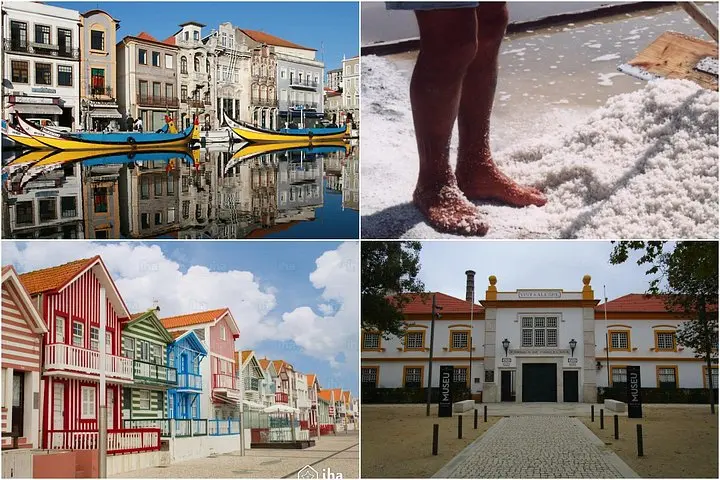
You step off the coach as a low salt wind presses against the moliceiro boats gliding through Aveiro’s canals, their curved prows bobbing like painted promises. Brightly coloured hulls push quietly past arched bridges while gulls argue over the wake. The day unfolds across castles, canal streets, lagoon shores and a factory-museum where porcelain stories sit on shelves like recorded conversations.
You step off the coach as a low salt wind presses against the moliceiro boats gliding through Aveiro’s canals, their curved prows bobbing like painted promises. Brightly coloured hulls push quietly past arched bridges while gulls argue over the wake. The day unfolds across castles, canal streets, lagoon shores and a factory-museum where porcelain stories sit on shelves like recorded conversations.
Aveiro grew where the River Vouga met the Atlantic; the Ria de Aveiro lagoon shaped local life for centuries — salt pans, fishing families and the moliceiro skippers who once hauled seaweed for fertilizer. Santa Maria da Feira’s fairy-tale castle speaks to medieval defenses and annual fairs, while Costa Nova’s striped palheiros reveal a late-19th-century bathing-culture turn that painted fishermen’s huts into summer stage sets. Vista Alegre porcelain, established in the 19th century, charts Portugal’s industrial and artistic shift through ornate services and factory archives.
Expect easy walking on cobbles and flat canal promenades, a roughly 40–60 minute moliceiro cruise, a regional multi-course lunch with local wine, and a beach stop at Costa Nova where low dunes meet the Atlantic. Wildlife in the Ria — wading birds and occasional flamingos — make brief appearances near the salt marshes.
Practical: wear comfortable, slip-resistant shoes for cobbles and wet decks, bring sun protection and a light waterproof layer, and carry a refillable water bottle. Morning pickups in Porto mean an early start; bring a small daypack for camera, binoculars and any purchases. The pace is relaxed but full — cultural stops and natural views are compacted into a well-planned ten-hour loop back to Porto by evening.