THE ADVENTURE COLLECTIVE® · Independent discovery and booking for outdoor travel

Explore Avellanas’ mangrove channels, tropical dry forest edges and intertidal beach on a private 2.5-hour walk led by a biologist. Expect monkey calls, shore crabs and an estuary crossing that shifts with the tide.
Explore Avellanas’ mangrove channels, tropical dry forest edges and intertidal beach on a private 2.5-hour walk led by a biologist. Expect monkey calls, shore crabs and an estuary crossing that shifts with the tide.
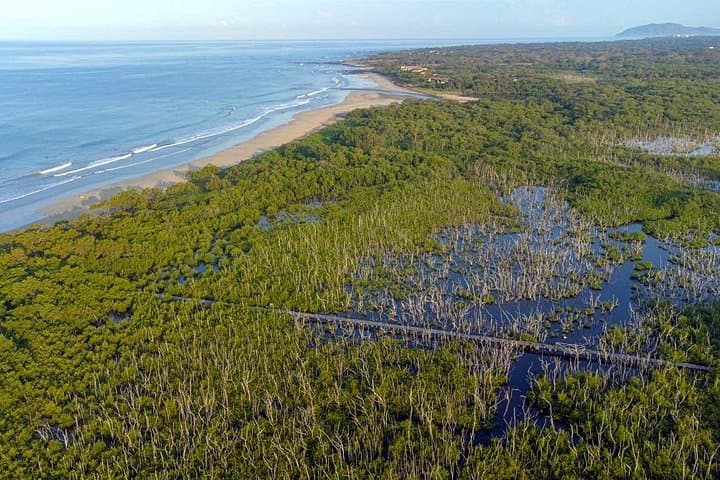
Morning light lifts off the Pacific and the mangroves answer with rustling leaves; a call of white-faced capuchins cuts through the humidity as the guide points down to a fiddler crab in a silty pool. On this private 2.5-hour loop you move between forest edge, mangrove channels, estuary crossings and the intertidal beach, a compact tour that concentrates Costa Rica’s coastal ecosystems into a single walk.
Verified experiences and guided adventures in the surrounding area.
Operated by Oropopo Experience · Playa Avellanas, Guanacaste
Morning light lifts off the Pacific and the mangroves answer with rustling leaves; a call of white-faced capuchins cuts through the humidity as the guide points down to a fiddler crab in a silty pool. On this private 2.5-hour loop you move between forest edge, mangrove channels, estuary crossings and the intertidal beach, a compact tour that concentrates Costa Rica’s coastal ecosystems into a single walk.
The Guanacaste coast here is shaped by river sediment, coastal uplift and volcanic soils, creating shallow estuaries and salt-tolerant mangrove roots that trap organic matter and support an outsized food web. The Rochelles Mangrove Bridge stands as a recent local landmark and a reminder of community conservation—this tour supports nearby NGOs and includes a short beach clean-up. Cultural ties to artisanal fishing and simple coastal living still mark the area: you’ll hear stories about the bridge and the neighborhood’s efforts to protect breeding grounds.
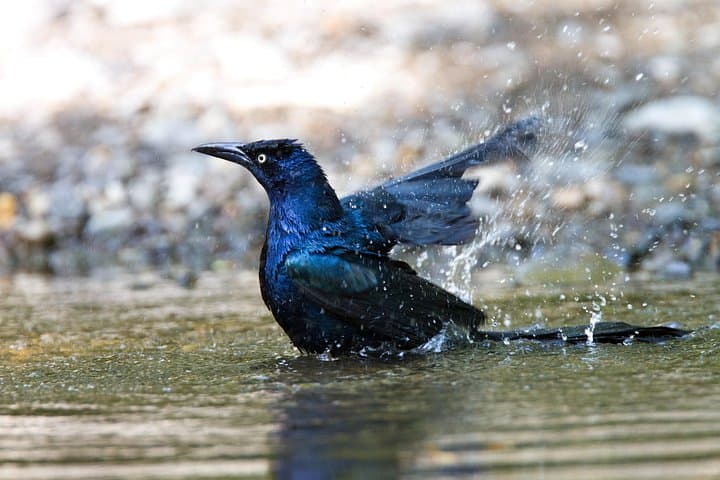
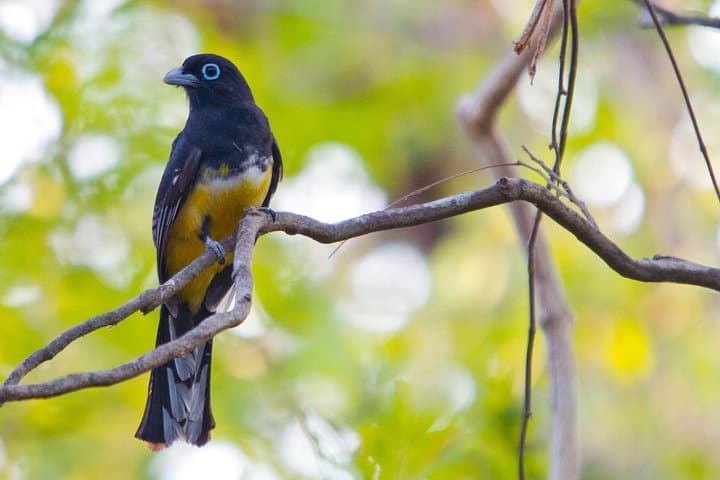
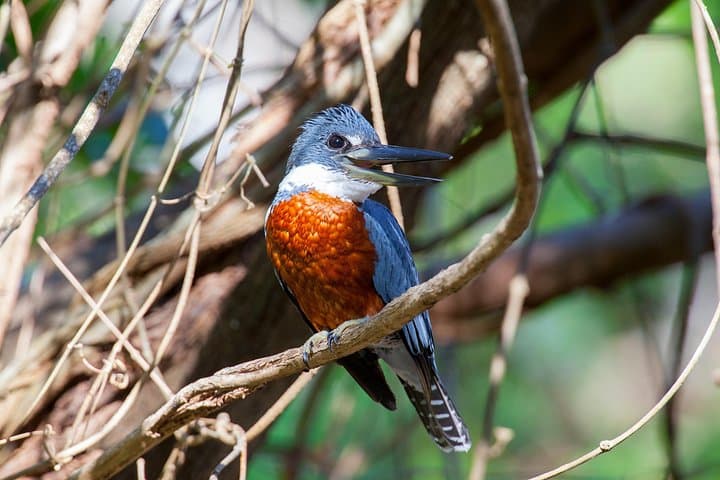
Practically, expect 2 miles of varied terrain with muddy trail sections and an estuary crossing that can be waist-deep at high tide. Guides are biologists or naturalists and provide optics; participants should have moderate fitness and be comfortable with uneven footing and saltwater exposure. Bring strap sandals or water shoes, sun protection, plenty of water and a lightweight dry bag for phones. Best times are early morning or late afternoon for cooler temperatures and active wildlife. The route is private, educational and hands-on—the kind of tour that leaves you with binoculars full of birds and a clearer sense of why these mangroves matter.
The tour covers roughly 2 miles over 2.5 hours with uneven ground and a possible waist-deep estuary crossing at high tide—moderate fitness is recommended.
Possibly—estuary crossings can be waist-deep at high tide and muddy sections are common; guides advise footwear that can get wet.
Yes—guides focus on birds, monkeys, crabs and other intertidal species; early morning or late afternoon increases wildlife activity.
Full refund available if you cancel at least 24 hours before the scheduled departure; tours may be canceled for bad weather.
Oropopo Experience operates guided outdoor trips and adventures with an emphasis on safety, stewardship, and memorable experiences.
Morning light lifts off the Pacific and the mangroves answer with rustling leaves; a call of white-faced capuchins cuts through the humidity as the guide points down to a fiddler crab in a silty pool. On this private 2.5-hour loop you move between forest edge, mangrove channels, estuary crossings and the intertidal beach, a compact tour that concentrates Costa Rica’s coastal ecosystems into a single walk.
Morning light lifts off the Pacific and the mangroves answer with rustling leaves; a call of white-faced capuchins cuts through the humidity as the guide points down to a fiddler crab in a silty pool. On this private 2.5-hour loop you move between forest edge, mangrove channels, estuary crossings and the intertidal beach, a compact tour that concentrates Costa Rica’s coastal ecosystems into a single walk.
The Guanacaste coast here is shaped by river sediment, coastal uplift and volcanic soils, creating shallow estuaries and salt-tolerant mangrove roots that trap organic matter and support an outsized food web. The Rochelles Mangrove Bridge stands as a recent local landmark and a reminder of community conservation—this tour supports nearby NGOs and includes a short beach clean-up. Cultural ties to artisanal fishing and simple coastal living still mark the area: you’ll hear stories about the bridge and the neighborhood’s efforts to protect breeding grounds.
Practically, expect 2 miles of varied terrain with muddy trail sections and an estuary crossing that can be waist-deep at high tide. Guides are biologists or naturalists and provide optics; participants should have moderate fitness and be comfortable with uneven footing and saltwater exposure. Bring strap sandals or water shoes, sun protection, plenty of water and a lightweight dry bag for phones. Best times are early morning or late afternoon for cooler temperatures and active wildlife. The route is private, educational and hands-on—the kind of tour that leaves you with binoculars full of birds and a clearer sense of why these mangroves matter.