THE ADVENTURE COLLECTIVE® · Independent discovery and booking for outdoor travel

Explore four ecosystems in a 2-mile loop from dry forest to intertidal beach, guided by local naturalists. Expect monkeys, tropical birds, tidal crossings and a conservation-focused visit to the Rochelles Mangrove Bridge.
Explore four ecosystems in a 2-mile loop from dry forest to intertidal beach, guided by local naturalists. Expect monkeys, tropical birds, tidal crossings and a conservation-focused visit to the Rochelles Mangrove Bridge.
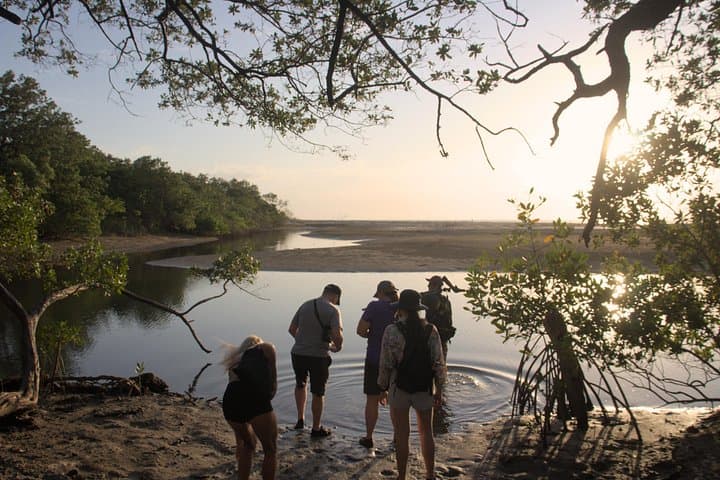
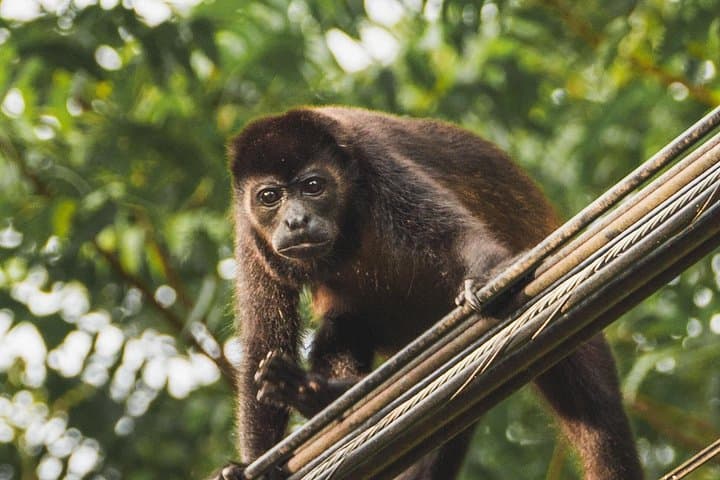
You start on a narrow trail where dry tropical forest meets the salt-scented estuary, and the first call you hear is a howler monkey announcing the boundary between land and tide. Shadows of mangrove roots cut across shallow channels; small crabs dart like living punctuation along the shoreline. The walk moves with purpose — from forest edge to tangled mangroves, across an estuary and onto the intertidal beach where sand dollars and shells reveal yesterday’s tide.
Verified experiences and guided adventures in the surrounding area.
Operated by Oropopo Experience · Playa Avellanas, Guanacaste
You start on a narrow trail where dry tropical forest meets the salt-scented estuary, and the first call you hear is a howler monkey announcing the boundary between land and tide. Shadows of mangrove roots cut across shallow channels; small crabs dart like living punctuation along the shoreline. The walk moves with purpose — from forest edge to tangled mangroves, across an estuary and onto the intertidal beach where sand dollars and shells reveal yesterday’s tide.
This stretch of Guanacaste coast sits on volcanic bedrock weathered by Pacific swells; the mix of freshwater runoff and ocean creates rich sediment that feeds mangrove roots and supports fish nurseries. The Rochelles Mangrove Bridge, a local landmark, grew from a conservation push by community groups to protect fisheries and coastal trees that have sustained nearby fishing villages for generations.
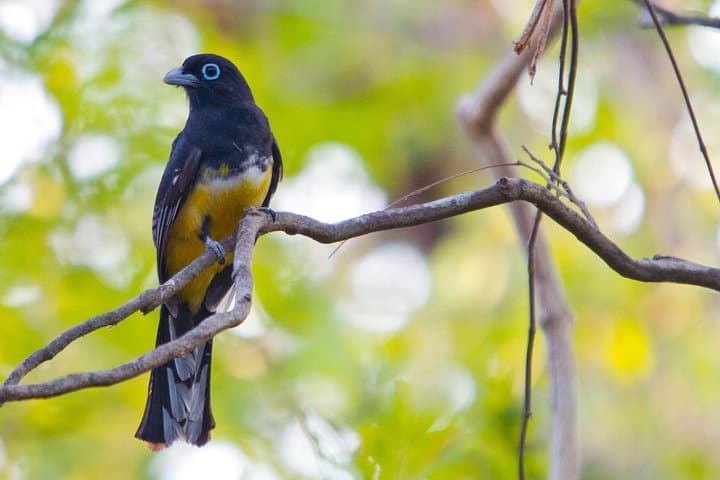
Expect four distinct ecosystems in a compact loop: dry forest with scrub and palms, tannin-dark mangrove channels, a shifting estuary where tides can be waist-high, and an intertidal beach crowded with life at low tide. Naturalist guides point out capuchin and howler monkeys, shorebirds, crabs and hidden mollusks while explaining the mangrove’s role in storm buffering and carbon storage.
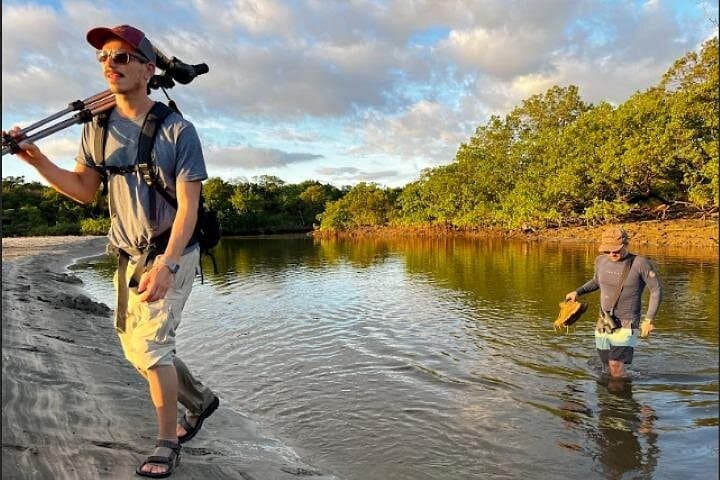
Practicalities: the tour is about 2.5 hours and rated moderate — uneven, sometimes muddy trails and possible water crossings. Wear strap sandals or quick-dry shoes, bring sun protection, reusable water and a lightweight rain layer. Guides supply binoculars and ask for a small donation to local mangrove conservation; you’ll also be invited to join a short trail clean-up. Time your visit around low tide for the richest beach encounters and plan for mosquitoes in wet months.
The tour lasts about 2.5 hours and covers roughly a 2-mile loop through four ecosystems, including beach and estuary sections.
Possibly — during high tide the guide may wade up to waist level; the group times crossings and provides an alternate route when necessary.
Children who can handle uneven ground and occasional water crossings can join, but the route is not stroller-friendly and parents should assess stamina and tide conditions.
No — a trained naturalist or biologist guide leads the walk and explains plants, animals and conservation practices for all experience levels.
Oropopo Experience operates guided outdoor trips and adventures with an emphasis on safety, stewardship, and memorable experiences.
You start on a narrow trail where dry tropical forest meets the salt-scented estuary, and the first call you hear is a howler monkey announcing the boundary between land and tide. Shadows of mangrove roots cut across shallow channels; small crabs dart like living punctuation along the shoreline. The walk moves with purpose — from forest edge to tangled mangroves, across an estuary and onto the intertidal beach where sand dollars and shells reveal yesterday’s tide.
You start on a narrow trail where dry tropical forest meets the salt-scented estuary, and the first call you hear is a howler monkey announcing the boundary between land and tide. Shadows of mangrove roots cut across shallow channels; small crabs dart like living punctuation along the shoreline. The walk moves with purpose — from forest edge to tangled mangroves, across an estuary and onto the intertidal beach where sand dollars and shells reveal yesterday’s tide.
This stretch of Guanacaste coast sits on volcanic bedrock weathered by Pacific swells; the mix of freshwater runoff and ocean creates rich sediment that feeds mangrove roots and supports fish nurseries. The Rochelles Mangrove Bridge, a local landmark, grew from a conservation push by community groups to protect fisheries and coastal trees that have sustained nearby fishing villages for generations.
Expect four distinct ecosystems in a compact loop: dry forest with scrub and palms, tannin-dark mangrove channels, a shifting estuary where tides can be waist-high, and an intertidal beach crowded with life at low tide. Naturalist guides point out capuchin and howler monkeys, shorebirds, crabs and hidden mollusks while explaining the mangrove’s role in storm buffering and carbon storage.
Practicalities: the tour is about 2.5 hours and rated moderate — uneven, sometimes muddy trails and possible water crossings. Wear strap sandals or quick-dry shoes, bring sun protection, reusable water and a lightweight rain layer. Guides supply binoculars and ask for a small donation to local mangrove conservation; you’ll also be invited to join a short trail clean-up. Time your visit around low tide for the richest beach encounters and plan for mosquitoes in wet months.