THE ADVENTURE COLLECTIVE® · Independent discovery and booking for outdoor travel

Get up close to axolotls in Denver with a focused 20-minute feeding and touch session that pairs a keeper-led demonstration with conservation education. Perfect for families, students, and curious nature lovers.
Get up close to axolotls in Denver with a focused 20-minute feeding and touch session that pairs a keeper-led demonstration with conservation education. Perfect for families, students, and curious nature lovers.
The Axolotl Meet and Greet brings a rare classroom of living amphibians to life in Denver, Colorado, United States. In a focused 20-minute session guests step close to glass to watch axolotls feed, study their feathery external gills, and learn the biological quirks that make these Mexican native salamanders famous: lifelong juvenile features, extraordinary regenerative ability, and a soft, slippery skin unlike any typical land amphibian. The experience pairs a feeding demonstration with a short hands-on moment introducing a land-dwelling salamander—visitors are invited to feel its texture while staff explain handling, care, and the conservation pressures these animals face in the wild. What makes this encounter stand out is its intimacy and its educational purpose. Small groups and a guided keeper talk condense hours of museum learning into twenty minutes of focused observation; the animal-control measures and quarantine standards mean interactions are conservative and animal-centered, not performance-driven. Staff emphasize why axolotls need help: habitat loss, pollution, and invasive species have pushed them toward critical endangerment in their native Mexican lakes. That message is woven through the session, so visitors leave with practical conservation steps rather than just a photo. Practical details are straightforward: the program runs about 20 minutes, does not include general aquarium admission (you can add tickets when you reserve), and participants under 18 must be accompanied by a paying adult. Because axolotls are animals with their own moods, no interaction is guaranteed, and refunds are not issued if an animal chooses not to participate. Service animals are not permitted in meet-and-greet or behind-the-scenes areas in compliance with quarantine and AZA-style standards; plan accordingly. This is an ideal stop for families with curious kids, biology students, or anyone who wants to see amphibian anatomy up close without traveling to remote habitats. Bring a respectful curiosity, a camera with a quiet shutter, and a small notebook if you want to jot down keeper tips. Book early: sessions are short and sell quickly, especially on weekends and school holidays. If you care about conservation storytelling wrapped in a hands-on moment, this encounter delivers a compact, memorable lesson in why keeping wild species wild matters - and how a single meeting can change the way you think about a city aquarium's role in protecting fragile species. Expect to stand for the duration; sessions typically occur several times per day but frequency varies with staff schedules and animal welfare needs. Quiet voices and soft movements help the animals feel safe; flash photography is discouraged. If you're visiting from out of town, Denver offers many family-friendly hotels within a short drive and public transit options nearby; check the reservation page to add general admission so you can extend your visit through the aquarium exhibits afterward. Leave the animals in excellent hands—observe, learn, and act.
Don't worry — we've hand-picked similar verified experiences nearby so you can keep exploring.
Operated by Downtown Aquarium - Denver Encounters · Denver, Colorado
No. The 20-minute meet-and-greet does not include aquarium admission; you can add general admission tickets when you reserve.
About 20 minutes, though timing can vary depending on animal and guest participation.
No. Axolotls and salamanders are living animals with unpredictable behavior; interactions are never guaranteed and refunds are not issued if an animal does not participate.
Participants under 18 must be accompanied by a paying adult.
Service animals are not permitted in meet-and-greet or behind-the-scenes animal areas due to quarantine and welfare protocols.
Yes; still photos are allowed but flash is discouraged. Use a quiet shutter to avoid disturbing the animals.
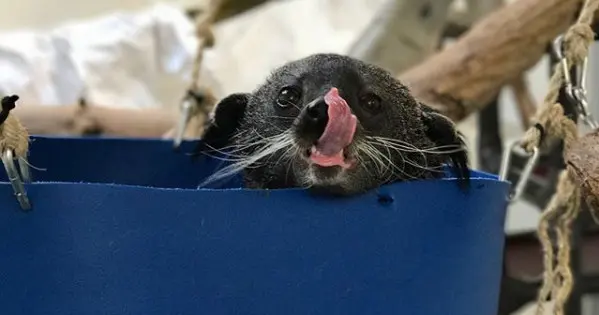
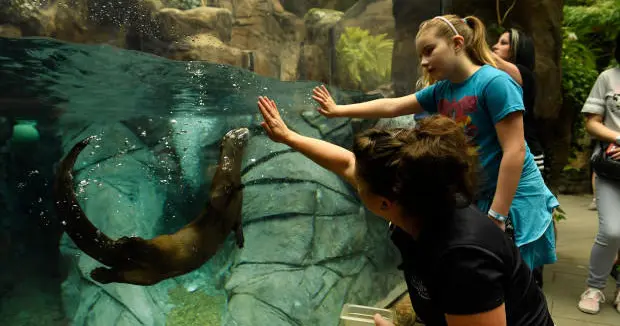
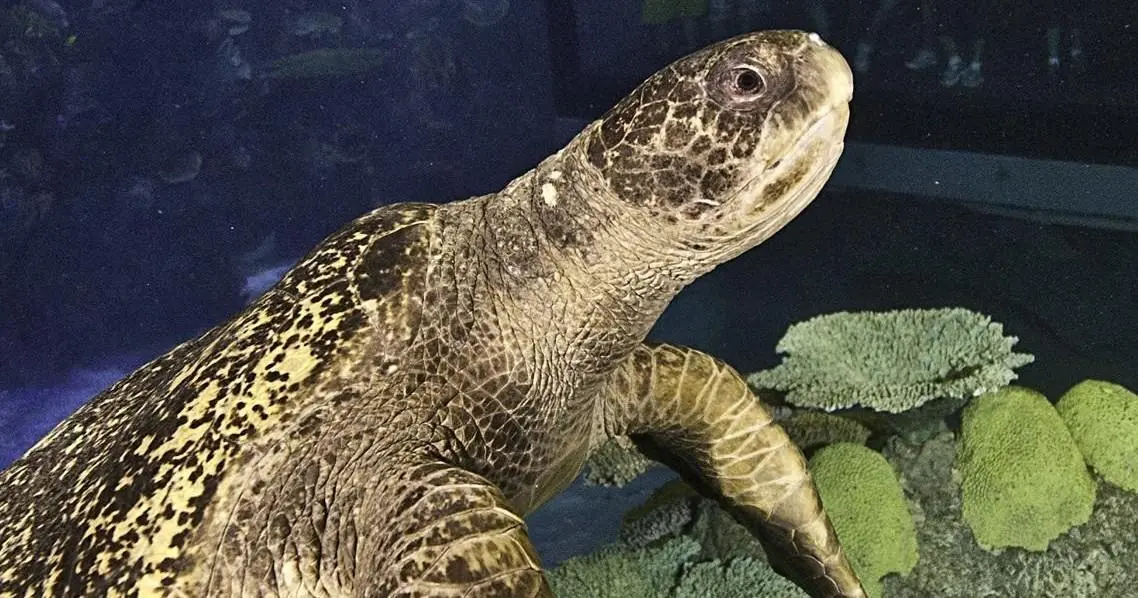
Downtown Aquarium - Denver Encounters operates at the Downtown Aquarium in Denver and offers curated animal encounters, behind-the-scenes tours, and specialized experiences for families, educators, and animal enthusiasts. The program features short, supervised meet-and-greets and educational sessions led by trained aquarium biologists and animal care staff who present safety protocols and welfare-focused handling. Experiences include Porcupine Meet and Greet, Otter Meet and Greet, Serval Meet and Greet (featuring Neema), Parrot Meet and Greet with macaws, Private Mermaid Meet and Greet, Sea Turtle Meet and Greet with Pacific Green Sea Turtles, Octopus Meet and Greet with the Giant Pacific Octopus, Binturong Meet and Greet, Spiny Lobster Meet and Greet with Caribbean spiny lobsters, Sloth Meet and Greet with Aspen, and additional sessions such as Tortoise Meet and Greet, VIP Dive for Pearls Experience, Reptile Meet and Greet, and Shark Meet and Greet. Each offering specifies duration, typical activities like training demonstrations, photo opportunities behind barriers, feeding or enrichment participation, and educational interpretation about species care and conservation. The encounters are designed for various age ranges and often note minimum ages. Scheduling, capacity limits, and supervision ensure animal welfare and visitor safety. Reservations are recommended; experiences vary in length from 15 to 30 minutes, and group sizes are limited to maintain safety and quality. The program connects visitors to species care, husbandry, and conservation education at the Denver aquarium.
The Axolotl Meet and Greet brings a rare classroom of living amphibians to life in Denver, Colorado, United States. In a focused 20-minute session guests step close to glass to watch axolotls feed, study their feathery external gills, and learn the biological quirks that make these Mexican native salamanders famous: lifelong juvenile features, extraordinary regenerative ability, and a soft, slippery skin unlike any typical land amphibian. The experience pairs a feeding demonstration with a short hands-on moment introducing a land-dwelling salamander—visitors are invited to feel its texture while staff explain handling, care, and the conservation pressures these animals face in the wild. What makes this encounter stand out is its intimacy and its educational purpose. Small groups and a guided keeper talk condense hours of museum learning into twenty minutes of focused observation; the animal-control measures and quarantine standards mean interactions are conservative and animal-centered, not performance-driven. Staff emphasize why axolotls need help: habitat loss, pollution, and invasive species have pushed them toward critical endangerment in their native Mexican lakes. That message is woven through the session, so visitors leave with practical conservation steps rather than just a photo. Practical details are straightforward: the program runs about 20 minutes, does not include general aquarium admission (you can add tickets when you reserve), and participants under 18 must be accompanied by a paying adult. Because axolotls are animals with their own moods, no interaction is guaranteed, and refunds are not issued if an animal chooses not to participate. Service animals are not permitted in meet-and-greet or behind-the-scenes areas in compliance with quarantine and AZA-style standards; plan accordingly. This is an ideal stop for families with curious kids, biology students, or anyone who wants to see amphibian anatomy up close without traveling to remote habitats. Bring a respectful curiosity, a camera with a quiet shutter, and a small notebook if you want to jot down keeper tips. Book early: sessions are short and sell quickly, especially on weekends and school holidays. If you care about conservation storytelling wrapped in a hands-on moment, this encounter delivers a compact, memorable lesson in why keeping wild species wild matters - and how a single meeting can change the way you think about a city aquarium's role in protecting fragile species. Expect to stand for the duration; sessions typically occur several times per day but frequency varies with staff schedules and animal welfare needs. Quiet voices and soft movements help the animals feel safe; flash photography is discouraged. If you're visiting from out of town, Denver offers many family-friendly hotels within a short drive and public transit options nearby; check the reservation page to add general admission so you can extend your visit through the aquarium exhibits afterward. Leave the animals in excellent hands—observe, learn, and act.