THE ADVENTURE COLLECTIVE® · Independent discovery and booking for outdoor travel

Spend a day outside Mexico City at a conservation center dedicated to the axolotl. This guided tour includes breakfast, private transport, and a multi-hour visit to learn, observe and feed these endemic salamanders under expert supervision.
Spend a day outside Mexico City at a conservation center dedicated to the axolotl. This guided tour includes breakfast, private transport, and a multi-hour visit to learn, observe and feed these endemic salamanders under expert supervision.
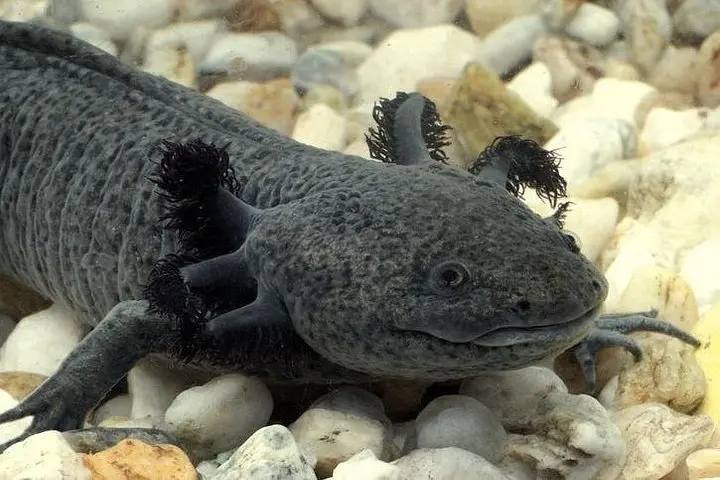
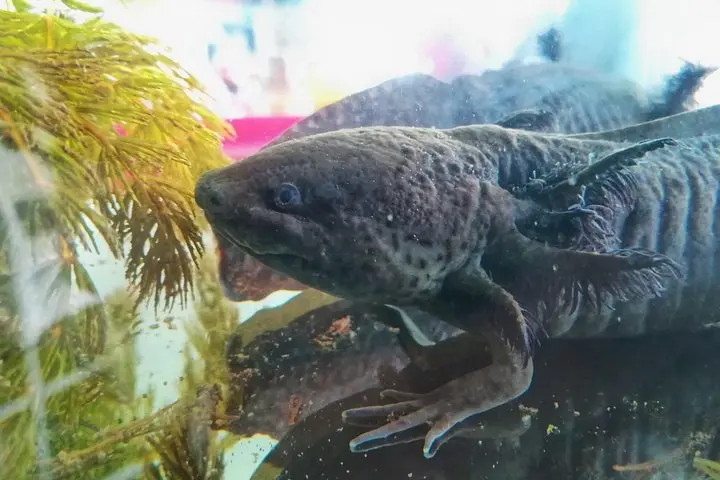
You step out of private transport into a cool, green hush—reeds and canal water line the route as the urban noise recedes. The conservation space feels purposeful rather than polished: tanks, shaded ponds and researchers moving between them. For the next few hours you stand close to a creature both strange and familiar, the axolotl, its feathery gills fanning the water as it inspects the world.
Verified experiences and guided adventures in the surrounding area.
Operated by Paseos Turisticos, Tour Operador Tepotzotlan · Mexico City, Mexico City
You step out of private transport into a cool, green hush—reeds and canal water line the route as the urban noise recedes. The conservation space feels purposeful rather than polished: tanks, shaded ponds and researchers moving between them. For the next few hours you stand close to a creature both strange and familiar, the axolotl, its feathery gills fanning the water as it inspects the world.
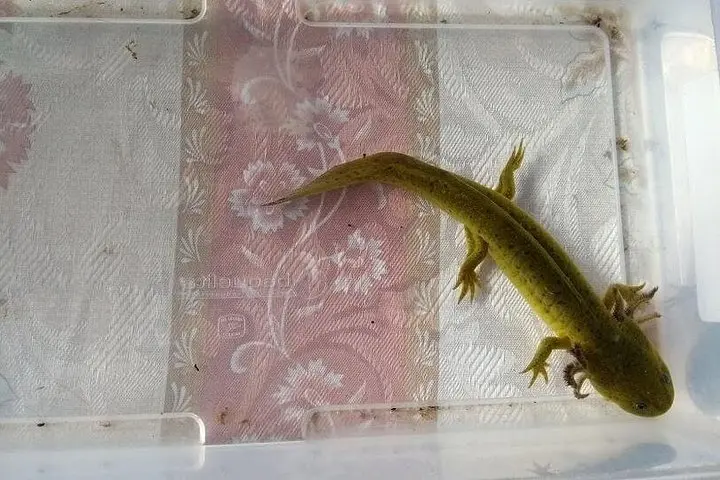
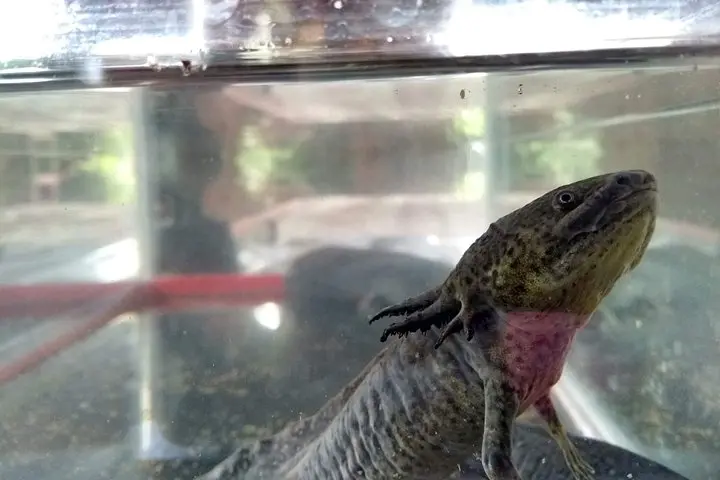
Native to the ancient lakes of the Valley of Mexico, Ambystoma mexicanum has been part of local life since pre-Hispanic times and appears in folklore and cuisine records. Geologically, the axolotl evolved in high-altitude lacustrine basins; the remaining populations survive today because of targeted captive-breeding and habitat management programs in sites tied to Xochimilco’s chinampas. Urban expansion, pollution and introduced fish reduced their wild numbers, so many centers now focus on reproduction, research and public education.
On this full-day outing expect guided presentations about life stages and regeneration, supervised feeding, and a close look at breeding and care protocols. The itinerary includes breakfast and private transport from Mexico City, with a long visit at the conservation facility—accessible for most fitness levels. Photography is welcome but follow staff rules to avoid stressing the animals; flashes and sudden movement are discouraged.
Practical tips: dress for damp, shaded conditions, carry a refillable water bottle, and plan for an easy-paced outing that combines science, conservation and a rare up-close wildlife encounter. This tour suits travelers who want responsible wildlife viewing and a clear look at how researchers keep an icon of Mexico’s waterways alive.
Feeding and any contact are strictly supervised; guides will demonstrate safe interactions and permit them when appropriate to avoid stressing the animals.
The tour is about seven hours total, with roughly four hours spent at the conservation and breeding facility for presentations, observation and supervised activities.
Yes—it's listed as stroller-accessible and suitable for all fitness levels, but children should be supervised and follow all staff instructions around animals and water.
The conservation activities are primarily indoors or under cover; check your booking terms for the tour operator's cancellation and refund policy before booking.
Paseos Turisticos, Tour Operador Tepotzotlan operates guided outdoor trips and adventures with an emphasis on safety, stewardship, and memorable experiences.
You step out of private transport into a cool, green hush—reeds and canal water line the route as the urban noise recedes. The conservation space feels purposeful rather than polished: tanks, shaded ponds and researchers moving between them. For the next few hours you stand close to a creature both strange and familiar, the axolotl, its feathery gills fanning the water as it inspects the world.
You step out of private transport into a cool, green hush—reeds and canal water line the route as the urban noise recedes. The conservation space feels purposeful rather than polished: tanks, shaded ponds and researchers moving between them. For the next few hours you stand close to a creature both strange and familiar, the axolotl, its feathery gills fanning the water as it inspects the world.
Native to the ancient lakes of the Valley of Mexico, Ambystoma mexicanum has been part of local life since pre-Hispanic times and appears in folklore and cuisine records. Geologically, the axolotl evolved in high-altitude lacustrine basins; the remaining populations survive today because of targeted captive-breeding and habitat management programs in sites tied to Xochimilco’s chinampas. Urban expansion, pollution and introduced fish reduced their wild numbers, so many centers now focus on reproduction, research and public education.
On this full-day outing expect guided presentations about life stages and regeneration, supervised feeding, and a close look at breeding and care protocols. The itinerary includes breakfast and private transport from Mexico City, with a long visit at the conservation facility—accessible for most fitness levels. Photography is welcome but follow staff rules to avoid stressing the animals; flashes and sudden movement are discouraged.
Practical tips: dress for damp, shaded conditions, carry a refillable water bottle, and plan for an easy-paced outing that combines science, conservation and a rare up-close wildlife encounter. This tour suits travelers who want responsible wildlife viewing and a clear look at how researchers keep an icon of Mexico’s waterways alive.