THE ADVENTURE COLLECTIVE® · Independent discovery and booking for outdoor travel

Get drenched in two hours of carved rapids and jungle calm on Bali’s Ayung River. This 13 km rafting run from Ubud pairs manageable whitewater with cultural riverside scenery for families and first-timers.
Get drenched in two hours of carved rapids and jungle calm on Bali’s Ayung River. This 13 km rafting run from Ubud pairs manageable whitewater with cultural riverside scenery for families and first-timers.
The morning mist lifts off the Ayung like a flashlight switching on—trees shedding beads of water, the river tugging at the raft as if eager to begin. Guides check harnesses with practiced calm; laughter bounces off limestone walls where the river pinches and widens. For two hours the raft answers the river’s mood: playful pours over rounded boulders, a sudden shove through narrow chutes, then quiet pools where the jungle leans in and listens.
Verified experiences and guided adventures in the surrounding area.
Operated by Best Adventure In Bali · Ubud, Bali
The morning mist lifts off the Ayung like a flashlight switching on—trees shedding beads of water, the river tugging at the raft as if eager to begin. Guides check harnesses with practiced calm; laughter bounces off limestone walls where the river pinches and widens. For two hours the raft answers the river’s mood: playful pours over rounded boulders, a sudden shove through narrow chutes, then quiet pools where the jungle leans in and listens.
The Ayung is Bali’s longest river and the island’s original commercial rafting route. Carved from volcanic basalt and limestone, its channel shows terraces of erosion and patches of whitewater that form where past lava flows disrupted bedrock. For centuries local communities used the river for irrigation and ceremonial offerings; today rafters pass carved shrines and rice terraces that hint at a living cultural landscape.
Ubud sits upriver, a town shaped by art and agriculture. On the banks, you’ll spot carved stone reliefs and small temple platforms where locals still leave daily canang offerings. The guides—often Balinese with family ties in the valleys—blend river safety with local storytelling, pointing out medicinal plants and explaining irrigation channels that fed rice fields below.
The run itself is approachable: roughly 13 km of class II–III rapids spread across a two-hour float. Terrain alternates between rock-strewn rapids and slow, reflective stretches framed by ebony and banana. The water has a personality: some sections dare you forward with a rush; others encourage you to float and breathe.
Practicalities matter. Operators typically include hotel pickup across Ubud and Seminyak, safety kit, and a buffet lunch with local dishes at the finish. Expect a full morning or afternoon excursion—total door-to-door time is 4–5 hours when transport is included. Wear quick-dry clothes, secure water shoes, and keep valuables in provided lockers.
Safety is serious here: guides lead with clear commands, and crews brief guests on paddling, posture, and emergency exits. The company emphasizes equipment maintenance and has dedicated shower and changing facilities at the endpoint, making the trip family-friendly while still requiring a decent level of fitness.
Timing matters—visit in Bali’s dry months (April–October) for lower flows and more predictable conditions; the wet season raises the stakes with stronger currents and higher water levels. Bring reef-safe sunscreen, a light waterproof layer if there’s rain, and a phone or camera in a secure dry bag for river-front shots. When the raft finally slides into the calm at the finish, the lunch spread and hot shower feel earned: a simple, satisfying close to a day where both river and human energy met in motion.
The river run is about 13 km and typically takes around two hours on the water; total excursion time including transport and briefings is 4–5 hours.
Yes—operators often tailor the rapid choices to be family-friendly and may skip bigger rapids; minimum ages vary so confirm when booking.
No—this run is designed for beginners to intermediate paddlers; guides provide a safety briefing and basic paddling instruction.
Quick-dry shorts or leggings, a rash guard or t-shirt, and closed-toe water shoes; bring a change of clothes and a towel for after.
Most packages include a buffet lunch and shower, plus lockers and changing rooms at the finish.
Dry season (April–October) offers more predictable conditions and lower flows; the wet season increases water levels and changes rapid dynamics.
Best Adventure In Bali operates guided outdoor trips and adventures with an emphasis on safety, stewardship, and memorable experiences.
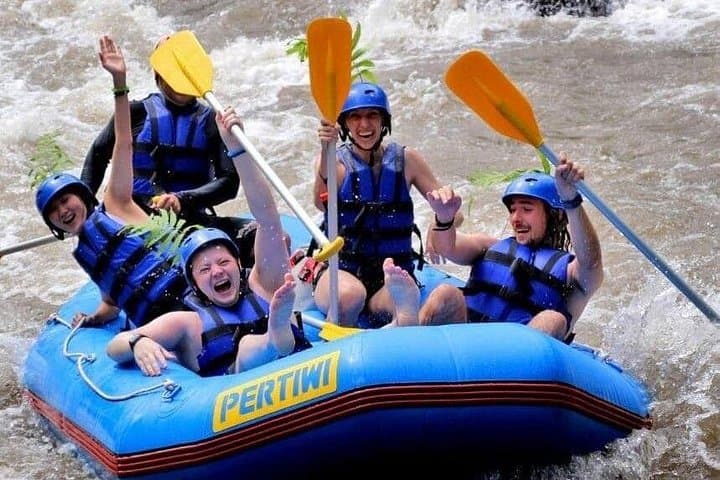
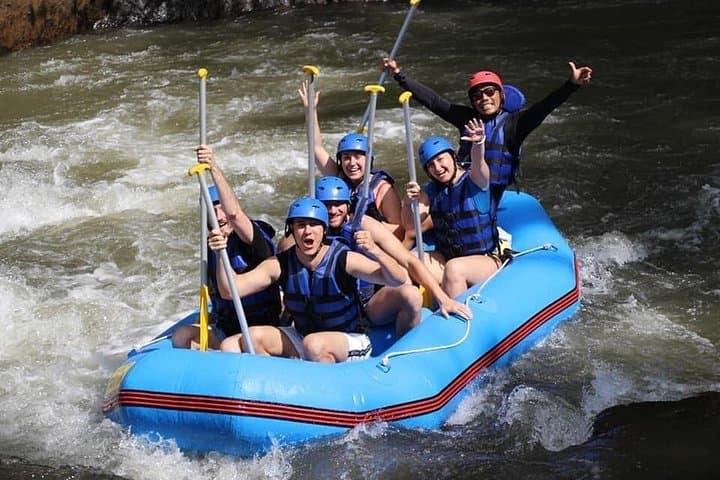
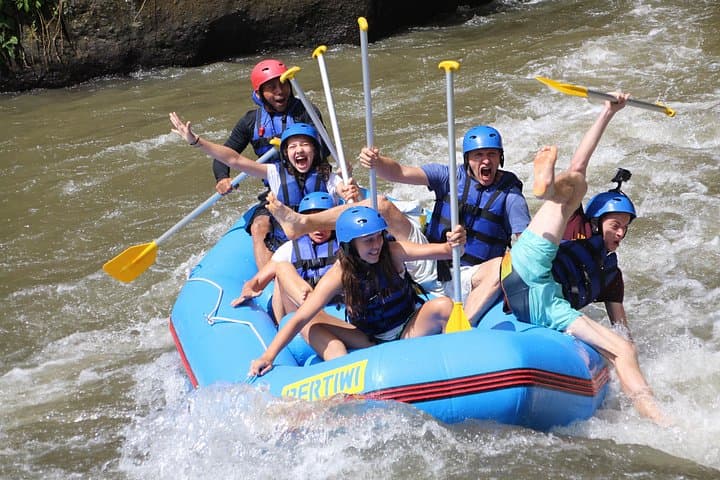

The morning mist lifts off the Ayung like a flashlight switching on—trees shedding beads of water, the river tugging at the raft as if eager to begin. Guides check harnesses with practiced calm; laughter bounces off limestone walls where the river pinches and widens. For two hours the raft answers the river’s mood: playful pours over rounded boulders, a sudden shove through narrow chutes, then quiet pools where the jungle leans in and listens.
The morning mist lifts off the Ayung like a flashlight switching on—trees shedding beads of water, the river tugging at the raft as if eager to begin. Guides check harnesses with practiced calm; laughter bounces off limestone walls where the river pinches and widens. For two hours the raft answers the river’s mood: playful pours over rounded boulders, a sudden shove through narrow chutes, then quiet pools where the jungle leans in and listens.
The Ayung is Bali’s longest river and the island’s original commercial rafting route. Carved from volcanic basalt and limestone, its channel shows terraces of erosion and patches of whitewater that form where past lava flows disrupted bedrock. For centuries local communities used the river for irrigation and ceremonial offerings; today rafters pass carved shrines and rice terraces that hint at a living cultural landscape.
Ubud sits upriver, a town shaped by art and agriculture. On the banks, you’ll spot carved stone reliefs and small temple platforms where locals still leave daily canang offerings. The guides—often Balinese with family ties in the valleys—blend river safety with local storytelling, pointing out medicinal plants and explaining irrigation channels that fed rice fields below.
The run itself is approachable: roughly 13 km of class II–III rapids spread across a two-hour float. Terrain alternates between rock-strewn rapids and slow, reflective stretches framed by ebony and banana. The water has a personality: some sections dare you forward with a rush; others encourage you to float and breathe.
Practicalities matter. Operators typically include hotel pickup across Ubud and Seminyak, safety kit, and a buffet lunch with local dishes at the finish. Expect a full morning or afternoon excursion—total door-to-door time is 4–5 hours when transport is included. Wear quick-dry clothes, secure water shoes, and keep valuables in provided lockers.
Safety is serious here: guides lead with clear commands, and crews brief guests on paddling, posture, and emergency exits. The company emphasizes equipment maintenance and has dedicated shower and changing facilities at the endpoint, making the trip family-friendly while still requiring a decent level of fitness.
Timing matters—visit in Bali’s dry months (April–October) for lower flows and more predictable conditions; the wet season raises the stakes with stronger currents and higher water levels. Bring reef-safe sunscreen, a light waterproof layer if there’s rain, and a phone or camera in a secure dry bag for river-front shots. When the raft finally slides into the calm at the finish, the lunch spread and hot shower feel earned: a simple, satisfying close to a day where both river and human energy met in motion.