THE ADVENTURE COLLECTIVE® · Independent discovery and booking for outdoor travel

Raft the Ayung River from Ubud for a two-hour mix of class 2–3 rapids, jungle canyons and hidden waterfalls. This guided trip pairs manageable white-water thrills with practical logistics—hotel pickup, safety gear and lunch—making it ideal for active travelers and families.
Raft the Ayung River from Ubud for a two-hour mix of class 2–3 rapids, jungle canyons and hidden waterfalls. This guided trip pairs manageable white-water thrills with practical logistics—hotel pickup, safety gear and lunch—making it ideal for active travelers and families.
The raft noses into a narrow channel and the Ayung River answers—first a soft conversation over polished stones, then a quick-tempered rush that slaps at the bow. Palm fronds blur on the banks, limestone cliffs lean in like curious spectators, and the guide’s voice cuts through the spray: paddle left. For two hours the river alternates between cheeky riffles and honest class 2–3 rapids, each one an invitation to feel the current push and the jungle close in.
Verified experiences and guided adventures in the surrounding area.
Operated by Bersinar Bali Tour · Ubud, Bali
The raft noses into a narrow channel and the Ayung River answers—first a soft conversation over polished stones, then a quick-tempered rush that slaps at the bow. Palm fronds blur on the banks, limestone cliffs lean in like curious spectators, and the guide’s voice cuts through the spray: paddle left. For two hours the river alternates between cheeky riffles and honest class 2–3 rapids, each one an invitation to feel the current push and the jungle close in.
The Ayung is the longest river on Bali; fed by upland springs and tropical downpours, it carved terraces and channels through volcanic deposits and coral-rich uplift over millennia. Those cliffs and hidden waterfalls you skim past are records of the island’s restless geology—lava, ash and coral reef raised by tectonics—now softened by moss and ferns. Culturally, the river valley has long supported rice farming and sacred sites; you’ll see small shrines and carved stone figures along the banks where local communities historically made offerings to the water spirits.
Guides here balance a practical ethic with a local sense of hospitality: they steer, set the pace, and narrate the route’s small histories—where a cascade hides a freshwater pool, which bend is prone to fallen logs after storms. The operation pairs adrenaline with careful staging: pickup from Ubud hotels, a safety briefing, lifejackets and helmets, then a staged launch downstream. Expect clear, cool water punctuated by sunlight slicking the surface, and the smell of wet earth and frangipani when you pull into shore for lunch.
Practical guidance: book morning runs to avoid midafternoon heat and heavier tourist traffic; the trip is roughly 2–3 hours including transfers and lunch. Wear quick-dry clothing and secure footwear—no flip-flops—and leave jewelry on the bedside table. Hydrate beforehand; salt and sun can sneak up even in the shade. If heavy rain has fallen in the preceding 24 hours the company may reschedule for safety.
Who this is for: adventurous travelers comfortable with moderate exertion, families with older children, and anyone looking for a compact combination of light white-water and scenic jungle. The experience is immersive but uncomplicated—no prior rafting skills required—but pay attention to the safety talk and follow your guide’s commands.
Final note: the Ayung likes to be treated with respect. It rewards attention with open rapids, secret pools, and a genuine sense of moving through living landscape—raw, tactile and surprisingly close to Ubud’s cultural heart.
The on-water portion is about 2 hours; total trip time including transfers, briefing and lunch is roughly 3 hours.
Most operators accept children around 7–10 years old depending on size and experience; not recommended for pregnant travelers or those with serious heart or back issues.
Yes—private, air-conditioned pickup from most Ubud hotels is typically included; confirm pickup time when you book.
Rafting runs operate in light rain; heavy storms or unsafe river conditions may trigger a reschedule or refund per cancellation policy.
No prior experience is required; guides provide a safety briefing and basic paddling instruction before launch.
Yes—operators supply lifejackets, helmets and raft gear as part of the trip inclusions.
Bersinar Bali Tour operates guided outdoor trips and adventures with an emphasis on safety, stewardship, and memorable experiences.
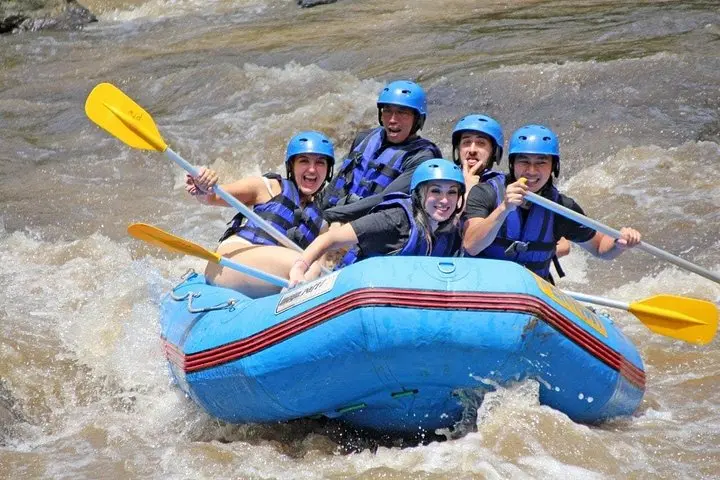
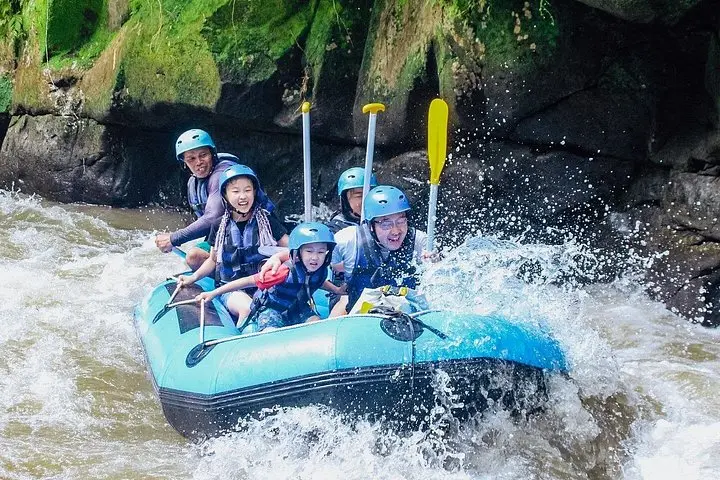
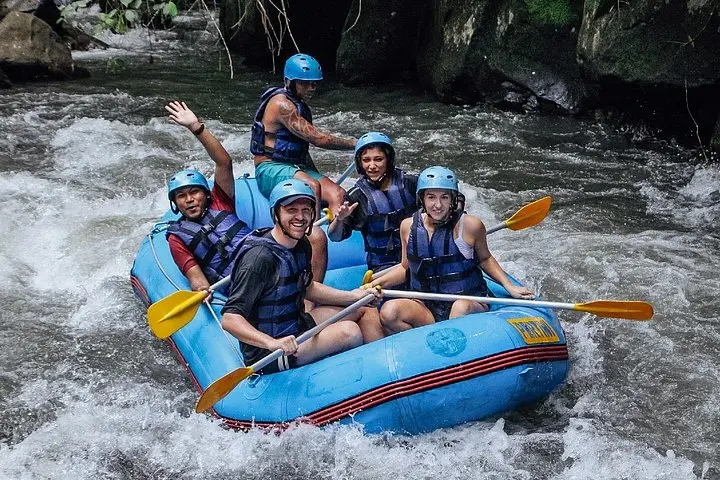
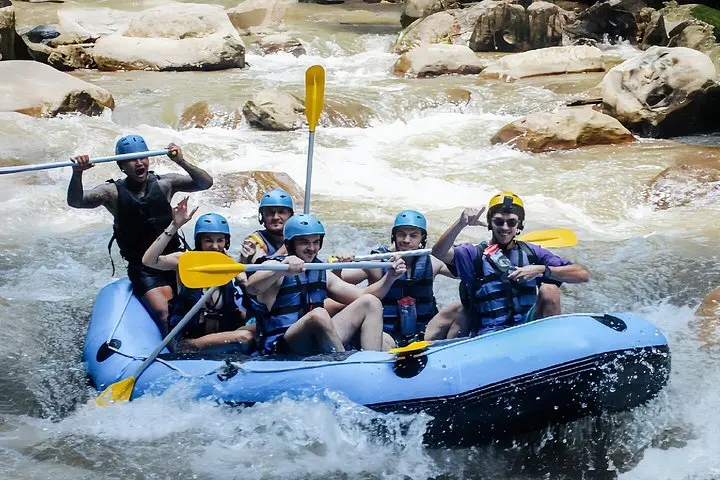
The raft noses into a narrow channel and the Ayung River answers—first a soft conversation over polished stones, then a quick-tempered rush that slaps at the bow. Palm fronds blur on the banks, limestone cliffs lean in like curious spectators, and the guide’s voice cuts through the spray: paddle left. For two hours the river alternates between cheeky riffles and honest class 2–3 rapids, each one an invitation to feel the current push and the jungle close in.
The raft noses into a narrow channel and the Ayung River answers—first a soft conversation over polished stones, then a quick-tempered rush that slaps at the bow. Palm fronds blur on the banks, limestone cliffs lean in like curious spectators, and the guide’s voice cuts through the spray: paddle left. For two hours the river alternates between cheeky riffles and honest class 2–3 rapids, each one an invitation to feel the current push and the jungle close in.
The Ayung is the longest river on Bali; fed by upland springs and tropical downpours, it carved terraces and channels through volcanic deposits and coral-rich uplift over millennia. Those cliffs and hidden waterfalls you skim past are records of the island’s restless geology—lava, ash and coral reef raised by tectonics—now softened by moss and ferns. Culturally, the river valley has long supported rice farming and sacred sites; you’ll see small shrines and carved stone figures along the banks where local communities historically made offerings to the water spirits.
Guides here balance a practical ethic with a local sense of hospitality: they steer, set the pace, and narrate the route’s small histories—where a cascade hides a freshwater pool, which bend is prone to fallen logs after storms. The operation pairs adrenaline with careful staging: pickup from Ubud hotels, a safety briefing, lifejackets and helmets, then a staged launch downstream. Expect clear, cool water punctuated by sunlight slicking the surface, and the smell of wet earth and frangipani when you pull into shore for lunch.
Practical guidance: book morning runs to avoid midafternoon heat and heavier tourist traffic; the trip is roughly 2–3 hours including transfers and lunch. Wear quick-dry clothing and secure footwear—no flip-flops—and leave jewelry on the bedside table. Hydrate beforehand; salt and sun can sneak up even in the shade. If heavy rain has fallen in the preceding 24 hours the company may reschedule for safety.
Who this is for: adventurous travelers comfortable with moderate exertion, families with older children, and anyone looking for a compact combination of light white-water and scenic jungle. The experience is immersive but uncomplicated—no prior rafting skills required—but pay attention to the safety talk and follow your guide’s commands.
Final note: the Ayung likes to be treated with respect. It rewards attention with open rapids, secret pools, and a genuine sense of moving through living landscape—raw, tactile and surprisingly close to Ubud’s cultural heart.