THE ADVENTURE COLLECTIVE® · Independent discovery and booking for outdoor travel

Pedal through the ruins of Ayutthaya on an eco-minded bike tour that links the city’s greatest temples. Expect flat, accessible cycling, expert local guides, and a vivid introduction to Thailand’s medieval capital.
Pedal through the ruins of Ayutthaya on an eco-minded bike tour that links the city’s greatest temples. Expect flat, accessible cycling, expert local guides, and a vivid introduction to Thailand’s medieval capital.
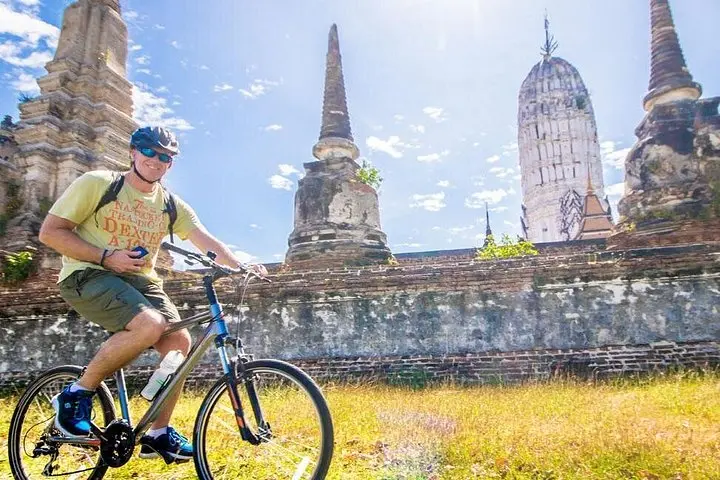
You push off along narrow streets where laundry flaps like small flags and the Chao Phraya whispers at the city’s edge, the warm air carrying incense and engine oil. The bicycles move in an easy procession past chedis and crumbling walls; stone faces watch as currents of tourists and locals cross paths.
Verified experiences and guided adventures in the surrounding area.
Operated by Sightseeingbangkok.com · Phra Nakhon Si Ayutthaya, Phra Nakhon Si Ayutthaya Province
You push off along narrow streets where laundry flaps like small flags and the Chao Phraya whispers at the city’s edge, the warm air carrying incense and engine oil. The bicycles move in an easy procession past chedis and crumbling walls; stone faces watch as currents of tourists and locals cross paths.
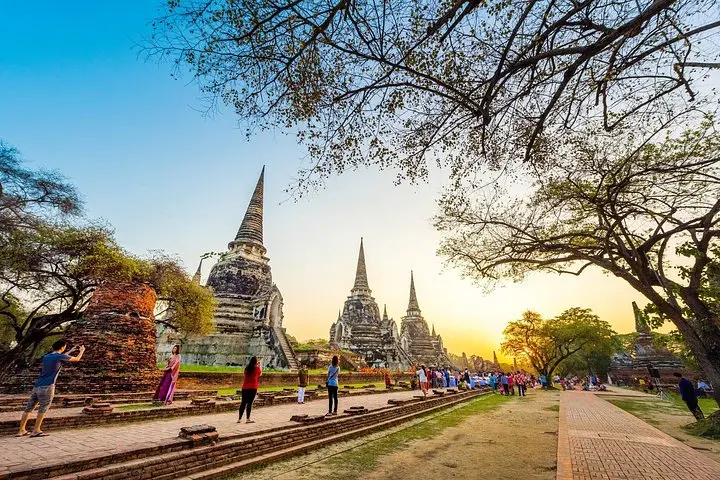
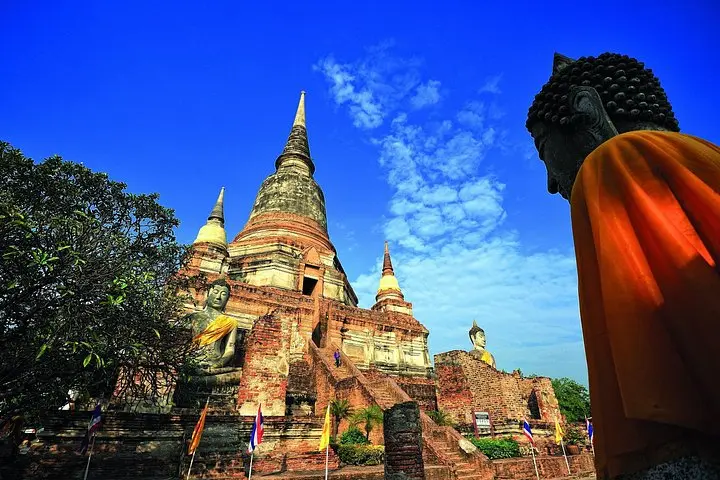
Ayutthaya was founded in 1350 and ruled as Siam’s capital for more than four centuries until its 1767 sack. The ruins here are limestone, laterite and brick— Khmer-style prangs rising from a plain shaped by seasonal flooding. Temples such as Wat Mahathat, Wat Yai Chai Mongkhon and Wat Phra Si Sanphet reveal both the ceremonial heart of a kingdom and the practical logic of riverborne trade that made the city wealthy.
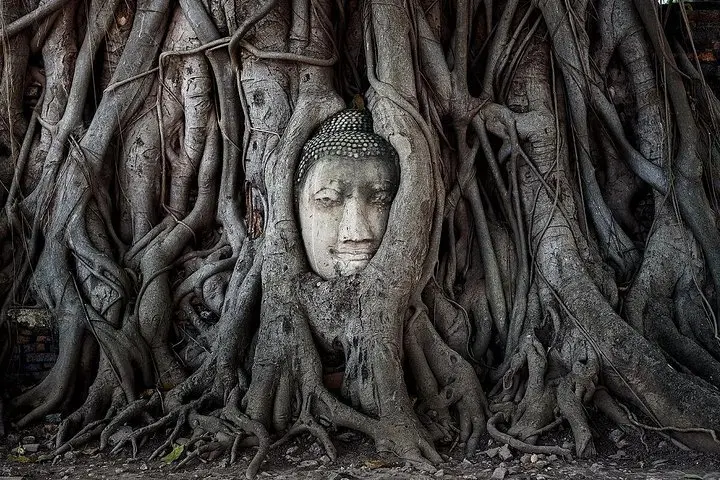
Culturally the route is quiet and human: monks receiving offerings, vendors selling iced tea, and neighborhoods where bicycle bells are the day’s metronome. Local guides point out where palaces once stood and why a Buddha head became entwined in roots.
Practical guidance: this is mostly flat, low-traffic cycling on paved roads and compacted dirt with short stops at each site. Expect 4–10 hours depending on your start point. Dress respectfully for temples—shoulders and knees covered—and bring reusable water, sunscreen and a lightweight rain shell during monsoon months. Helmets are provided but practice basic bike handling before you set off; Thai traffic can be assertive.
Timing matters: early morning or late afternoon keeps heat and crowds down, and a local guide makes the history click into place as you pedal through centuries.
Yes — the tour supplies bicycles and safety helmets; you can bring your own helmet if you prefer.
Yes — routes are mostly flat and the pace is relaxed, with guides assisting riders of all skill levels.
Some temples charge small admission fees; bring cash in Thai baht for any site entry or donations.
Yes — the operator offers pickup from Bangkok for the full-day option (about 85 km north) and local hotel tuk-tuk pickup within Ayutthaya city center.
Sightseeingbangkok.com operates guided outdoor trips and adventures with an emphasis on safety, stewardship, and memorable experiences.
You push off along narrow streets where laundry flaps like small flags and the Chao Phraya whispers at the city’s edge, the warm air carrying incense and engine oil. The bicycles move in an easy procession past chedis and crumbling walls; stone faces watch as currents of tourists and locals cross paths.
You push off along narrow streets where laundry flaps like small flags and the Chao Phraya whispers at the city’s edge, the warm air carrying incense and engine oil. The bicycles move in an easy procession past chedis and crumbling walls; stone faces watch as currents of tourists and locals cross paths.
Ayutthaya was founded in 1350 and ruled as Siam’s capital for more than four centuries until its 1767 sack. The ruins here are limestone, laterite and brick— Khmer-style prangs rising from a plain shaped by seasonal flooding. Temples such as Wat Mahathat, Wat Yai Chai Mongkhon and Wat Phra Si Sanphet reveal both the ceremonial heart of a kingdom and the practical logic of riverborne trade that made the city wealthy.
Culturally the route is quiet and human: monks receiving offerings, vendors selling iced tea, and neighborhoods where bicycle bells are the day’s metronome. Local guides point out where palaces once stood and why a Buddha head became entwined in roots.
Practical guidance: this is mostly flat, low-traffic cycling on paved roads and compacted dirt with short stops at each site. Expect 4–10 hours depending on your start point. Dress respectfully for temples—shoulders and knees covered—and bring reusable water, sunscreen and a lightweight rain shell during monsoon months. Helmets are provided but practice basic bike handling before you set off; Thai traffic can be assertive.
Timing matters: early morning or late afternoon keeps heat and crowds down, and a local guide makes the history click into place as you pedal through centuries.