THE ADVENTURE COLLECTIVE® · Independent discovery and booking for outdoor travel

Float past karst towers, explore stalactite-studded caves and spend a night in a Tay homestay on this two-day Ba Be Lake trip from Hanoi. A practical, low-key adventure that pairs quiet boat passages with local culture.
Float past karst towers, explore stalactite-studded caves and spend a night in a Tay homestay on this two-day Ba Be Lake trip from Hanoi. A practical, low-key adventure that pairs quiet boat passages with local culture.
Morning mist lifts off the green skin of Ba Be Lake and the first boat cuts a silver line through still water. You sit on a wooden bench, oars dipping in time with the slow pulse of the Nang River, karst towers sliding past like stone chapters of the landscape.
Verified experiences and guided adventures in the surrounding area.
Operated by BCFamilyTour.com · Ba Be, Bắc Kạn Province
Morning mist lifts off the green skin of Ba Be Lake and the first boat cuts a silver line through still water. You sit on a wooden bench, oars dipping in time with the slow pulse of the Nang River, karst towers sliding past like stone chapters of the landscape.
This two-day route threads together Tay village life, limestone caves and a broad freshwater lake inside Ba Be National Park. Formed by tectonic subsidence and carved karst, the park’s geology produces dramatic cliffs, caves such as Hua Ma and Puong, and sheltered coves where bat colonies congregate and kingfishers hunt. The Tay people maintain stilt houses and wet-rice fields; homestay evenings bring shared meals and straightforward hospitality.
Expect easy walking between village lanes and short cave scrambles, with pockets of steeper trail when you head to viewpoints. Boat time is the highlight—plan for several hours afloat to reach Puong Cave and quieter inlets. Wildlife is most active at dawn and dusk: look for bats exiting caves and waterbirds along reed edges. Weather shifts quickly—summer monsoon swells the river and makes trails slick, while winter mornings are sharp and clear.
Practical notes: bring a passport, local cash, insect repellent, and a lightweight waterproof. Sturdy shoes with grip are better than sandals for caves. If you want fewer crowds, aim for shoulder seasons; if you want higher water and lush jungle, late spring to summer delivers it. The trip balances slow river travel with cultural contact—simple, immersive, and surprisingly wild.
Yes—your passport is required for booking and should be carried during the trip in a waterproof sleeve.
Homestays are simple family-run accommodations with basic amenities; expect clean beds, shared facilities and home-cooked meals.
Yes—there are safe spots for swimming from boats in calm conditions; follow your guide’s instructions and avoid swimming near strong currents or boat traffic.
Children can join but must be accompanied by an adult; boat and cave sections require supervision and care.
BCFamilyTour.com operates guided outdoor trips and adventures with an emphasis on safety, stewardship, and memorable experiences.
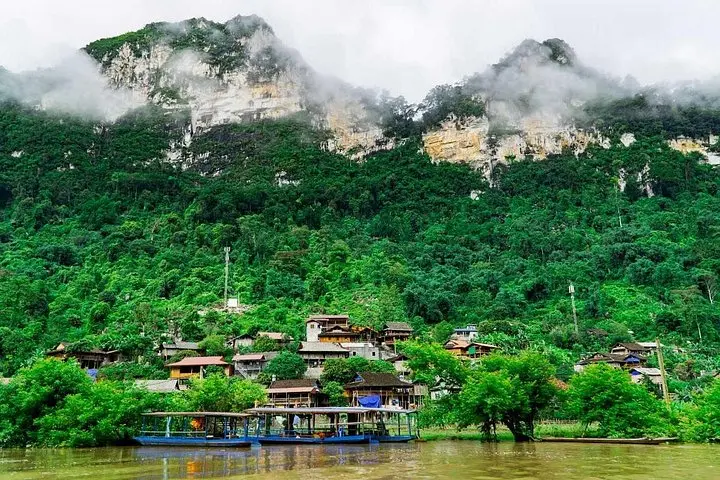
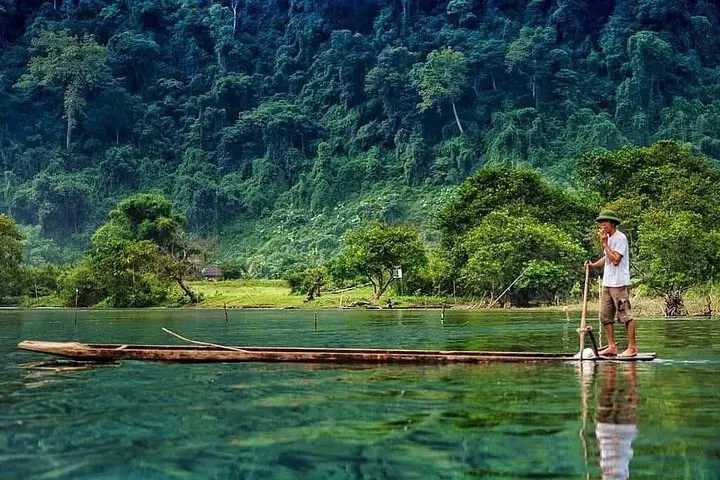
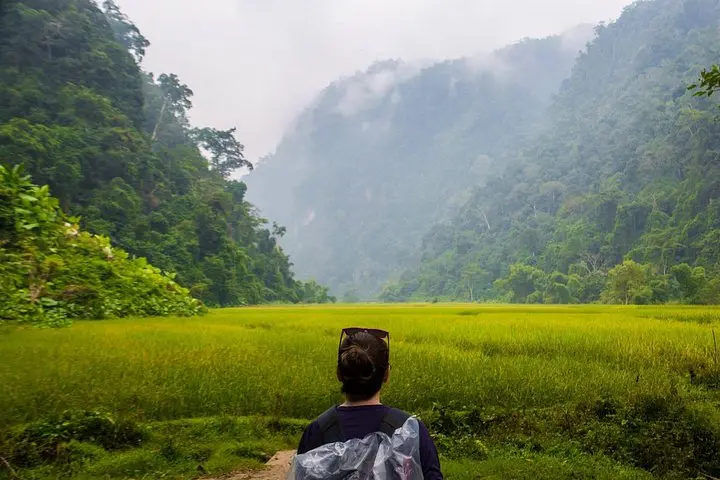
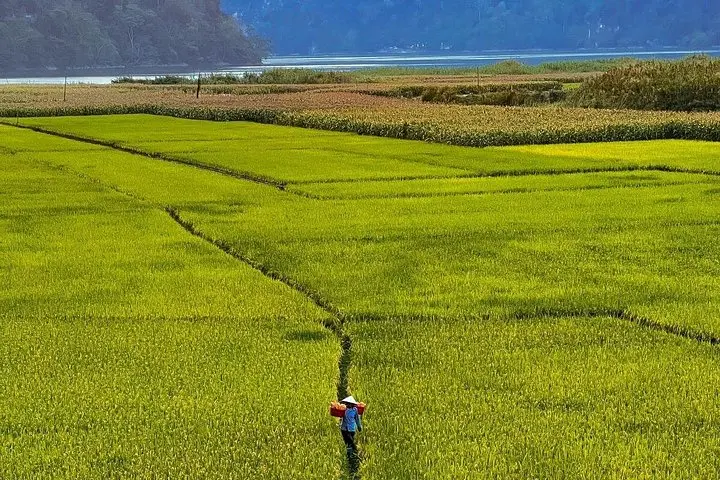
Morning mist lifts off the green skin of Ba Be Lake and the first boat cuts a silver line through still water. You sit on a wooden bench, oars dipping in time with the slow pulse of the Nang River, karst towers sliding past like stone chapters of the landscape.
Morning mist lifts off the green skin of Ba Be Lake and the first boat cuts a silver line through still water. You sit on a wooden bench, oars dipping in time with the slow pulse of the Nang River, karst towers sliding past like stone chapters of the landscape.
This two-day route threads together Tay village life, limestone caves and a broad freshwater lake inside Ba Be National Park. Formed by tectonic subsidence and carved karst, the park’s geology produces dramatic cliffs, caves such as Hua Ma and Puong, and sheltered coves where bat colonies congregate and kingfishers hunt. The Tay people maintain stilt houses and wet-rice fields; homestay evenings bring shared meals and straightforward hospitality.
Expect easy walking between village lanes and short cave scrambles, with pockets of steeper trail when you head to viewpoints. Boat time is the highlight—plan for several hours afloat to reach Puong Cave and quieter inlets. Wildlife is most active at dawn and dusk: look for bats exiting caves and waterbirds along reed edges. Weather shifts quickly—summer monsoon swells the river and makes trails slick, while winter mornings are sharp and clear.
Practical notes: bring a passport, local cash, insect repellent, and a lightweight waterproof. Sturdy shoes with grip are better than sandals for caves. If you want fewer crowds, aim for shoulder seasons; if you want higher water and lush jungle, late spring to summer delivers it. The trip balances slow river travel with cultural contact—simple, immersive, and surprisingly wild.