THE ADVENTURE COLLECTIVE® · Independent discovery and booking for outdoor travel

Five days of remote trekking through Ba Be National Park combine jungle tracks, limestone cliffs, boat cruises on the Nang River, and homestays in Tay, H'mong and Red Dao villages. This trip pairs cultural encounters with varied terrain—expect riverbanks, cave passages and steep singletrack.
Five days of remote trekking through Ba Be National Park combine jungle tracks, limestone cliffs, boat cruises on the Nang River, and homestays in Tay, H'mong and Red Dao villages. This trip pairs cultural encounters with varied terrain—expect riverbanks, cave passages and steep singletrack.
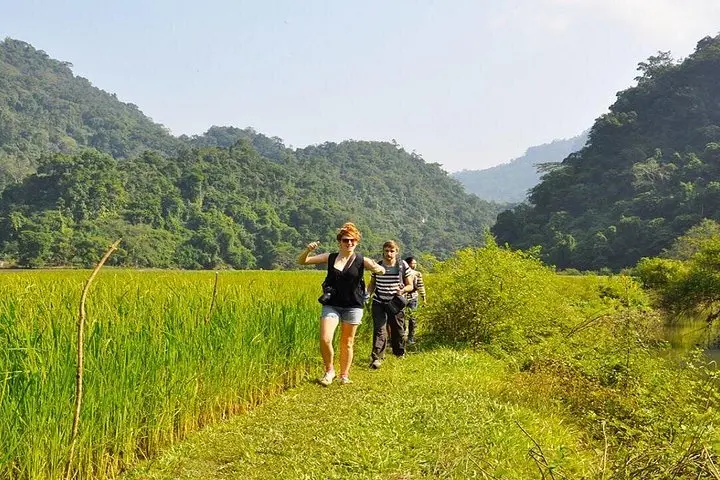
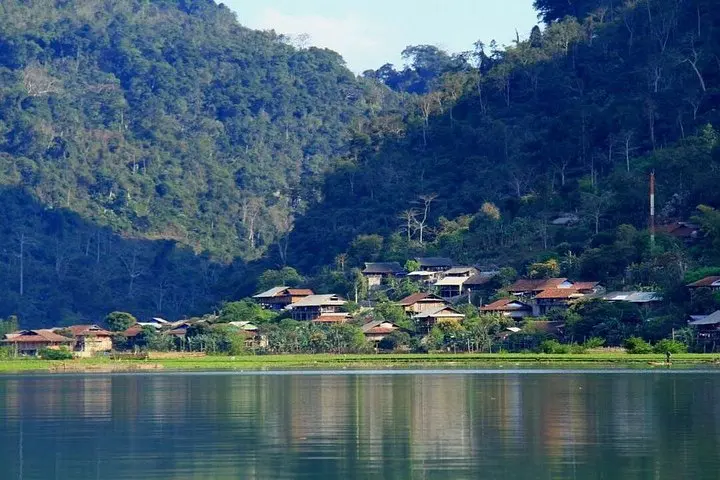
Dawn breaks over narrow limestone ridges and a ribbon of mist lifts off the Nang River as you set out from a wooden stilt house. The first steps are soft—riverbank paths, wet clay, and rice terraces giving way to steeper jungle tracks—each turn revealing Tay and H'mong villages where children wave from schoolyards and smoke curls from cookfires.
Verified experiences and guided adventures in the surrounding area.
Operated by Asia Package Travel · Ba Be, Bac Kan
Dawn breaks over narrow limestone ridges and a ribbon of mist lifts off the Nang River as you set out from a wooden stilt house. The first steps are soft—riverbank paths, wet clay, and rice terraces giving way to steeper jungle tracks—each turn revealing Tay and H'mong villages where children wave from schoolyards and smoke curls from cookfires.
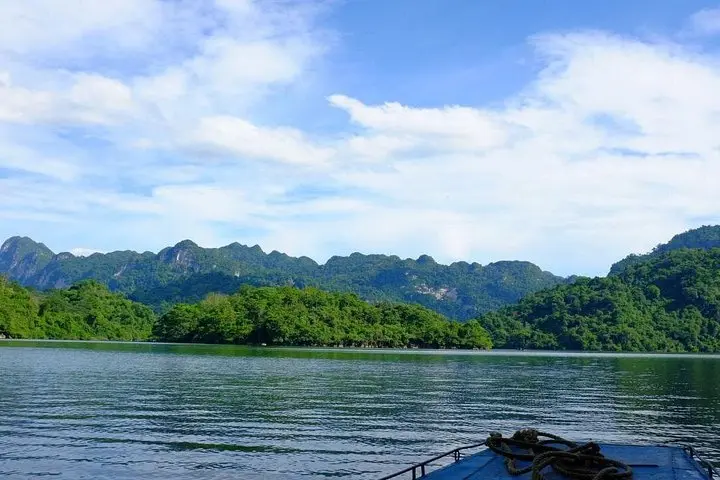
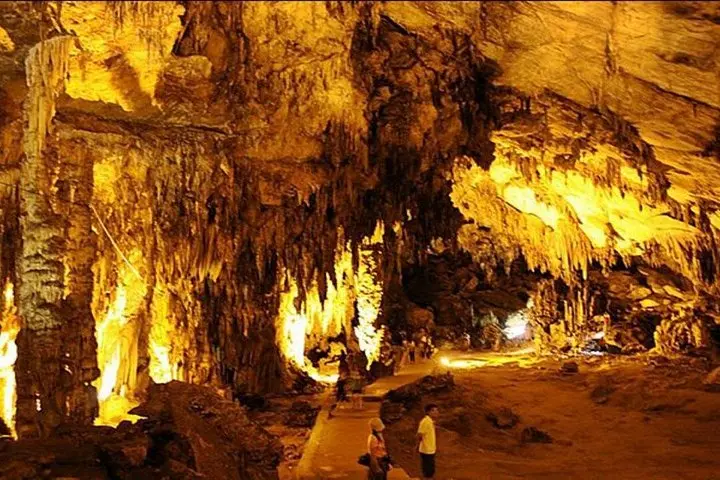
Geology here is loud: karst cliffs carved by millennia of water puncture layered forests and hollow into caves like Puong, which opens into the deep bowl of Ba Be Lake, Vietnam’s largest natural freshwater basin. Culturally the park is a living map—Tay, H'mong, Red Dao and Dzao communities maintain traditional stilt houses, textile motifs and subsistence fishing that shape daily rhythms.
Expect 6–12 km of walking per day on uneven, sometimes steep terrain with cumulative elevation changes often between 200–600 m on the tougher sections. Trails range from packed river tracks to narrow mountain singletrack; one stretch to a Red Dao village is restricted to walkers and horses only. Boat transfers on the Nang River and across Ba Be Lake punctuate trekking days and give respite from climbs.
Practical guidance: pack a reliable waterproof, good-traction hiking shoes, insect repellent and modest cash for small purchases in villages. Respect homestay customs—remove shoes, ask before photographing—and carry photocopies of your passport. Plan for sudden rain and warm, humid afternoons; early mornings are best for photos and cooler hiking. Guides handle logistics and most meals, but bring energy snacks and a lightweight headlamp for homestay evenings.
You should have a moderate fitness level: comfortable walking 6–12 km on uneven terrain and able to manage several hours of hiking in a day.
Guides on this itinerary are provided in English or French; many villagers speak minority languages (Tay, H'mong, Red Dao) and limited Vietnamese.
Homestays are basic wooden stilt houses with shared facilities, local meals as described, and simple bedding—expect warm hospitality and modest comforts.
Operators may cancel in severe weather for safety; heavy rains can make trails slippery and raise river levels, so flexible travel plans are advised.
Asia Package Travel operates guided outdoor trips and adventures with an emphasis on safety, stewardship, and memorable experiences.
Dawn breaks over narrow limestone ridges and a ribbon of mist lifts off the Nang River as you set out from a wooden stilt house. The first steps are soft—riverbank paths, wet clay, and rice terraces giving way to steeper jungle tracks—each turn revealing Tay and H'mong villages where children wave from schoolyards and smoke curls from cookfires.
Dawn breaks over narrow limestone ridges and a ribbon of mist lifts off the Nang River as you set out from a wooden stilt house. The first steps are soft—riverbank paths, wet clay, and rice terraces giving way to steeper jungle tracks—each turn revealing Tay and H'mong villages where children wave from schoolyards and smoke curls from cookfires.
Geology here is loud: karst cliffs carved by millennia of water puncture layered forests and hollow into caves like Puong, which opens into the deep bowl of Ba Be Lake, Vietnam’s largest natural freshwater basin. Culturally the park is a living map—Tay, H'mong, Red Dao and Dzao communities maintain traditional stilt houses, textile motifs and subsistence fishing that shape daily rhythms.
Expect 6–12 km of walking per day on uneven, sometimes steep terrain with cumulative elevation changes often between 200–600 m on the tougher sections. Trails range from packed river tracks to narrow mountain singletrack; one stretch to a Red Dao village is restricted to walkers and horses only. Boat transfers on the Nang River and across Ba Be Lake punctuate trekking days and give respite from climbs.
Practical guidance: pack a reliable waterproof, good-traction hiking shoes, insect repellent and modest cash for small purchases in villages. Respect homestay customs—remove shoes, ask before photographing—and carry photocopies of your passport. Plan for sudden rain and warm, humid afternoons; early mornings are best for photos and cooler hiking. Guides handle logistics and most meals, but bring energy snacks and a lightweight headlamp for homestay evenings.