THE ADVENTURE COLLECTIVE® · Independent discovery and booking for outdoor travel

Spend a long day moving from cloud-covered viewpoints at Ba Na Hills to lantern-lit canals in Hoi An. This private-car tour pairs high-elevation panoramas and French-era hill station history with Hoi An’s living trading-port streets—ideal for travelers wanting efficient transport and flexible pacing.
Spend a long day moving from cloud-covered viewpoints at Ba Na Hills to lantern-lit canals in Hoi An. This private-car tour pairs high-elevation panoramas and French-era hill station history with Hoi An’s living trading-port streets—ideal for travelers wanting efficient transport and flexible pacing.
You step into a morning that smells of wet earth and roasted coffee as the road curls away from Da Nang toward the cloud-wrapped slopes of Ba Na Hills.
Verified experiences and guided adventures in the surrounding area.
Operated by Thành · Da Nang, Da Nang
You step into a morning that smells of wet earth and roasted coffee as the road curls away from Da Nang toward the cloud-wrapped slopes of Ba Na Hills.
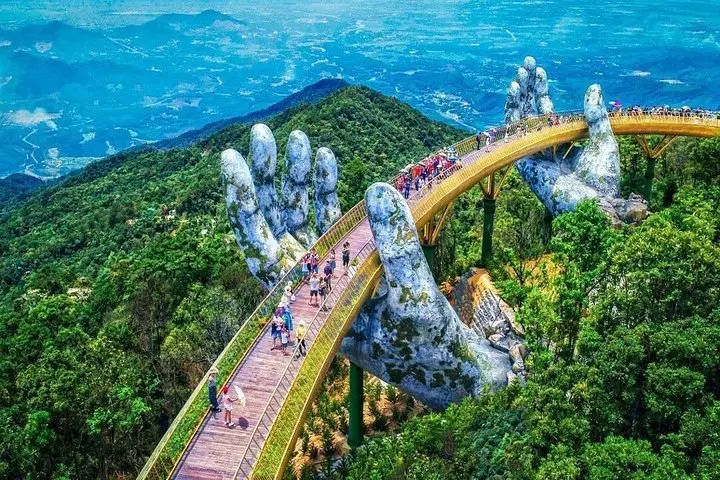
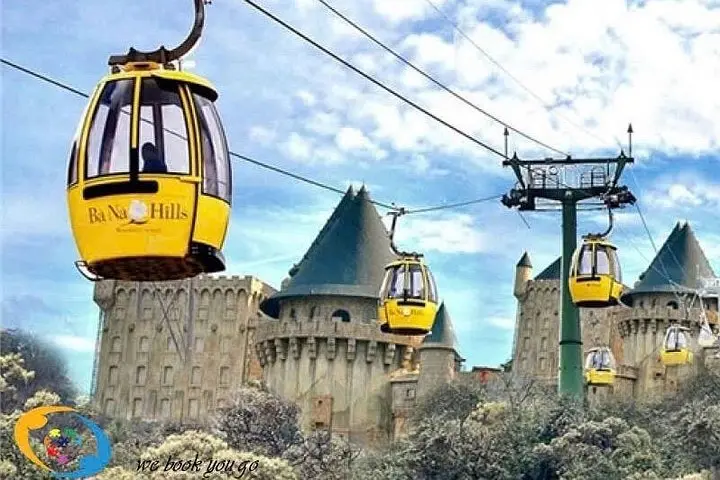
By mid-morning the Golden Bridge appears, a sweep of stone and metal held by giant hands that seem to push the mist aside; later the cable car hums, carrying you above forested ridges into cool air and manicured gardens. Afternoons shift to Hoi An’s low tiled roofs and lantern-lit canals, where boats ease along the Thu Bon River and market stalls call with grilled seafood and tailor-made shirts.
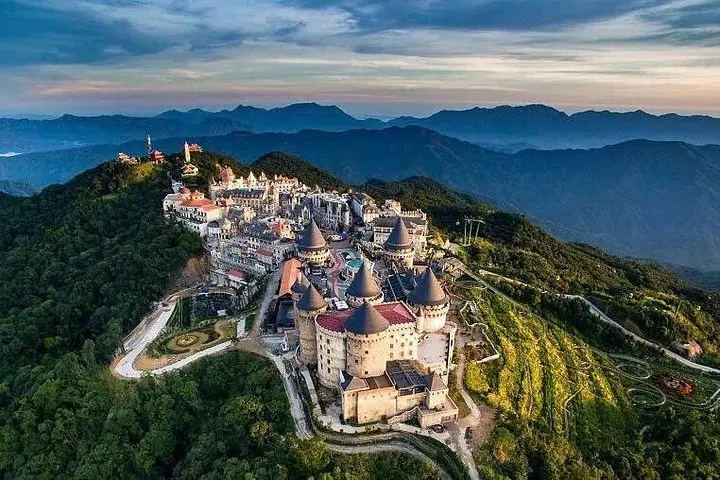
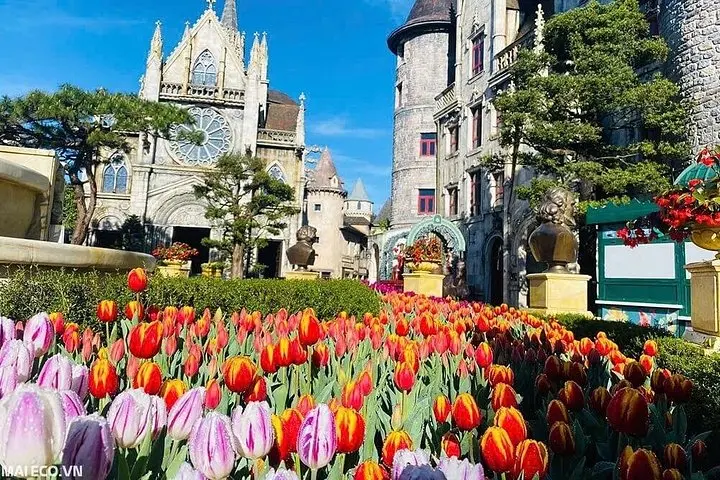
Ba Na Hills began life as a French-era hill station and now mixes colonial stonework with modern cable-car engineering; the hill’s elevation creates a distinct microclimate that often sits in cloud and supports a patchwork of planted gardens and secondary forest. Hoi An was a major Southeast Asian trading port from the 15th–19th centuries—its buildings reflect Chinese, Japanese, and Vietnamese merchant influences.
Expect a day paced by transfers: long but comfortable stretches in an air-conditioned private car, moderate walking at viewpoints and through old-town lanes, and some queued access at popular attractions. Practical notes: start early to beat crowds at the Golden Bridge, carry light layers for rapid weather shifts, and keep small bills for local markets and temple donations. Bring comfortable walking shoes, a rain layer in monsoon months, and a charged phone for photos—the route rewards curiosity whether you’re counting architecture, orchids, or panoramic coastal views.
Yes—operators run private-car itineraries that cover both, but it’s a long day with significant driving; prioritize what you want to see if you prefer a relaxed pace.
Some packages include admission; confirm with the operator—many offer transport-only pricing while tickets are paid on arrival or pre-purchased online.
The private vehicle and many public surfaces are wheelchair accessible, but steep or uneven sections at viewpoints and old-town alleys may limit full access—check specific accessibility needs with the provider.
Early morning after opening offers fewer crowds and clearer light before midday haze; late afternoon can also be good but is often busier.
Thành operates guided outdoor trips and adventures with an emphasis on safety, stewardship, and memorable experiences.
You step into a morning that smells of wet earth and roasted coffee as the road curls away from Da Nang toward the cloud-wrapped slopes of Ba Na Hills.
You step into a morning that smells of wet earth and roasted coffee as the road curls away from Da Nang toward the cloud-wrapped slopes of Ba Na Hills.
By mid-morning the Golden Bridge appears, a sweep of stone and metal held by giant hands that seem to push the mist aside; later the cable car hums, carrying you above forested ridges into cool air and manicured gardens. Afternoons shift to Hoi An’s low tiled roofs and lantern-lit canals, where boats ease along the Thu Bon River and market stalls call with grilled seafood and tailor-made shirts.
Ba Na Hills began life as a French-era hill station and now mixes colonial stonework with modern cable-car engineering; the hill’s elevation creates a distinct microclimate that often sits in cloud and supports a patchwork of planted gardens and secondary forest. Hoi An was a major Southeast Asian trading port from the 15th–19th centuries—its buildings reflect Chinese, Japanese, and Vietnamese merchant influences.
Expect a day paced by transfers: long but comfortable stretches in an air-conditioned private car, moderate walking at viewpoints and through old-town lanes, and some queued access at popular attractions. Practical notes: start early to beat crowds at the Golden Bridge, carry light layers for rapid weather shifts, and keep small bills for local markets and temple donations. Bring comfortable walking shoes, a rain layer in monsoon months, and a charged phone for photos—the route rewards curiosity whether you’re counting architecture, orchids, or panoramic coastal views.