THE ADVENTURE COLLECTIVE® · Independent discovery and booking for outdoor travel

Travel east from Beirut for a private day among Baalbek’s monumental Roman temples and Château Ksara’s limestone cellars. This six-hour tour pairs archaeological highlights with a guided winery visit and tasting in Lebanon’s Beqaa Valley.
Travel east from Beirut for a private day among Baalbek’s monumental Roman temples and Château Ksara’s limestone cellars. This six-hour tour pairs archaeological highlights with a guided winery visit and tasting in Lebanon’s Beqaa Valley.
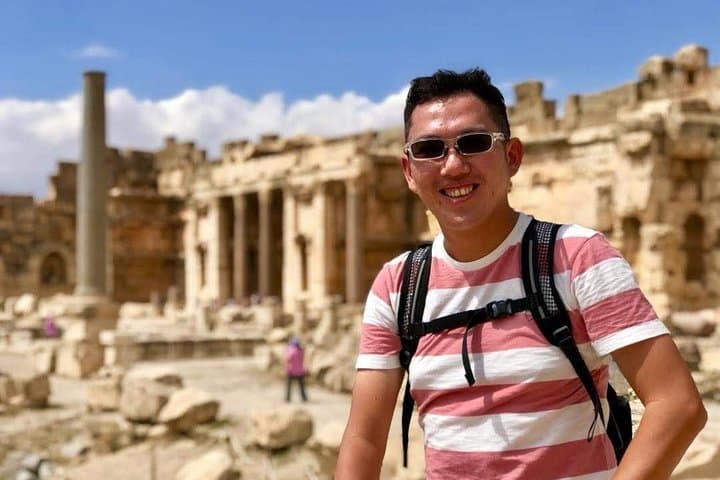
A steady ribbon of asphalt leads east from Beirut across the Beqaa plain, where winter rains turn pastures green and summer dust raises a gold haze. By midmorning the columns of Baalbek appear over low hills — Ionic and Corinthian stone that seems to push the sky back — while nearby vineyards slope gently toward the Anti-Lebanon range, their rows daring the wind.
Verified experiences and guided adventures in the surrounding area.
Operated by Lebanon Daily Tours · Baalbek, Beqaa Governorate
A steady ribbon of asphalt leads east from Beirut across the Beqaa plain, where winter rains turn pastures green and summer dust raises a gold haze. By midmorning the columns of Baalbek appear over low hills — Ionic and Corinthian stone that seems to push the sky back — while nearby vineyards slope gently toward the Anti-Lebanon range, their rows daring the wind.
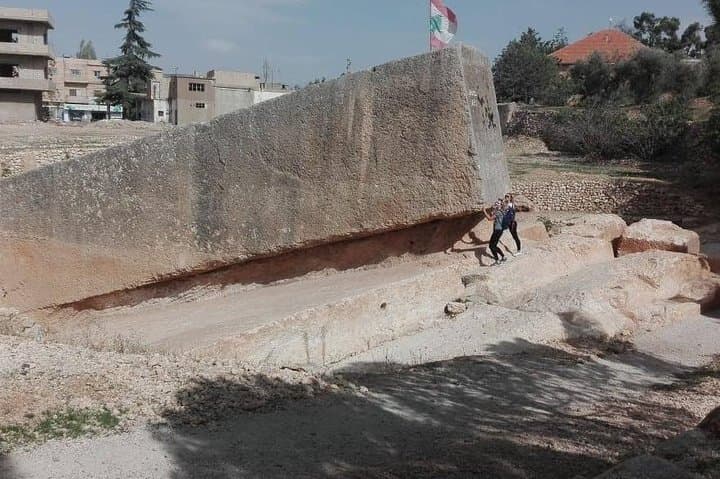
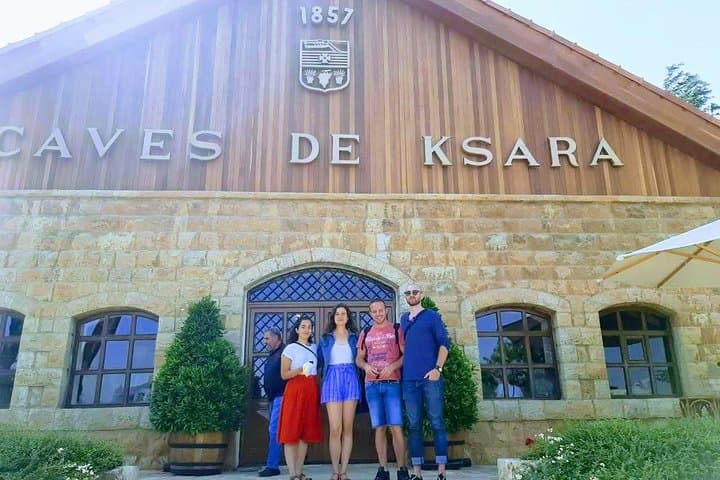
Baalbek's temple complex, built and expanded by Roman architects between the 1st and 3rd centuries CE atop an older Phoenician cult site, is one of the largest and most intact Roman sanctuaries surviving today. The site’s quarried giants, including the Stone of the Pregnant Woman, demonstrate the region’s tradition of monumental masonry. Down-valley, Château Ksara—founded by Jesuit priests in 1857—stores wine in limestone cellars and is credited with producing Lebanon’s first modern dry wines; the estate now bottles millions for export while maintaining cellar tours and tastings.
Practically, this private six-hour excursion combines roughly 1.5–2 hours of driving each way from Beirut with short, mostly easy walks on uneven archaeological grounds and cellar steps. Expect about 90 minutes at the temple complex and roughly an hour at the winery. The tour includes hotel pickup/drop-off and an English-speaking driver in an air-conditioned vehicle; infant seats are available and the itinerary is suitable for most fitness levels. Bring sun protection, comfortable walking shoes, a refillable water bottle, and local currency for small purchases at the winery. Respect modest dress at religious and heritage sites and allow extra time for photography at the temple façades and vineyard panoramas.
No—admission to Baalbek and wine tastings at Château Ksara are typically not included; plan to pay on-site.
Expect approximately 1.5–2 hours each way depending on traffic; the full tour runs about six hours including visits.
Yes—infant seats are available and the itinerary is labeled physically easy, but parents should plan for sun exposure and uneven ground.
This booking is all sales final; no refunds are available for cancellations per the tour policy.
Lebanon Daily Tours operates guided outdoor trips and adventures with an emphasis on safety, stewardship, and memorable experiences.

A steady ribbon of asphalt leads east from Beirut across the Beqaa plain, where winter rains turn pastures green and summer dust raises a gold haze. By midmorning the columns of Baalbek appear over low hills — Ionic and Corinthian stone that seems to push the sky back — while nearby vineyards slope gently toward the Anti-Lebanon range, their rows daring the wind.
A steady ribbon of asphalt leads east from Beirut across the Beqaa plain, where winter rains turn pastures green and summer dust raises a gold haze. By midmorning the columns of Baalbek appear over low hills — Ionic and Corinthian stone that seems to push the sky back — while nearby vineyards slope gently toward the Anti-Lebanon range, their rows daring the wind.
Baalbek's temple complex, built and expanded by Roman architects between the 1st and 3rd centuries CE atop an older Phoenician cult site, is one of the largest and most intact Roman sanctuaries surviving today. The site’s quarried giants, including the Stone of the Pregnant Woman, demonstrate the region’s tradition of monumental masonry. Down-valley, Château Ksara—founded by Jesuit priests in 1857—stores wine in limestone cellars and is credited with producing Lebanon’s first modern dry wines; the estate now bottles millions for export while maintaining cellar tours and tastings.
Practically, this private six-hour excursion combines roughly 1.5–2 hours of driving each way from Beirut with short, mostly easy walks on uneven archaeological grounds and cellar steps. Expect about 90 minutes at the temple complex and roughly an hour at the winery. The tour includes hotel pickup/drop-off and an English-speaking driver in an air-conditioned vehicle; infant seats are available and the itinerary is suitable for most fitness levels. Bring sun protection, comfortable walking shoes, a refillable water bottle, and local currency for small purchases at the winery. Respect modest dress at religious and heritage sites and allow extra time for photography at the temple façades and vineyard panoramas.