THE ADVENTURE COLLECTIVE® · Independent discovery and booking for outdoor travel

Spend a full day tracing Lebanon’s past across the Bekaa Valley: Roman giants at Baalbek, Umayyad planning in Anjar, and winery cellars at Château Ksara with a regional lunch. Practical and immersive, this semi‑private tour pairs major sites with local flavor.
Spend a full day tracing Lebanon’s past across the Bekaa Valley: Roman giants at Baalbek, Umayyad planning in Anjar, and winery cellars at Château Ksara with a regional lunch. Practical and immersive, this semi‑private tour pairs major sites with local flavor.
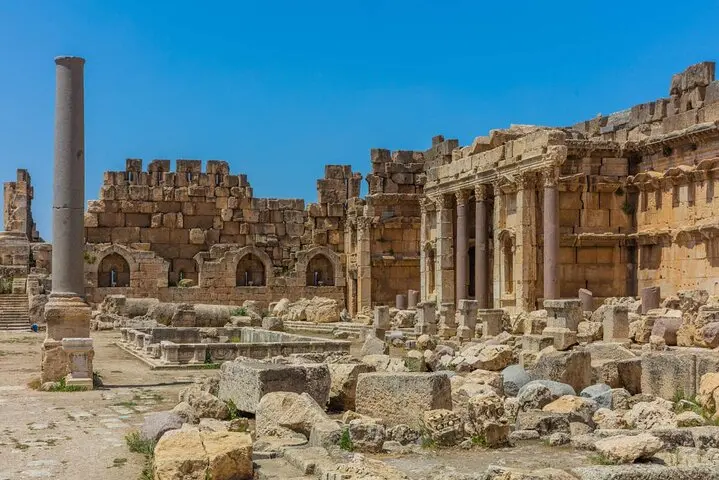
You step out of the minivan into dry, high-valley air and the columns loom before you—massive, sun-streaked pillars that still throw long shadows across a stone floor two millennia old.
Verified experiences and guided adventures in the surrounding area.
Operated by Lebanon Tours · Baalbek, Beqaa Governorate
You step out of the minivan into dry, high-valley air and the columns loom before you—massive, sun-streaked pillars that still throw long shadows across a stone floor two millennia old.
This full-day semi-private tour threads three distinct chapters of the Bekaa Valley. At Baalbek you’ll walk beneath the Temple of Jupiter, a Roman complex built atop older Phoenician and Hellenistic layers; the scale of its carved capitals and podium blocks makes the human hand look small. A short stop at the ancient quarry reveals the “Stone of the Pregnant Woman,” a megalith that hints at pre-Roman engineering ambitions.
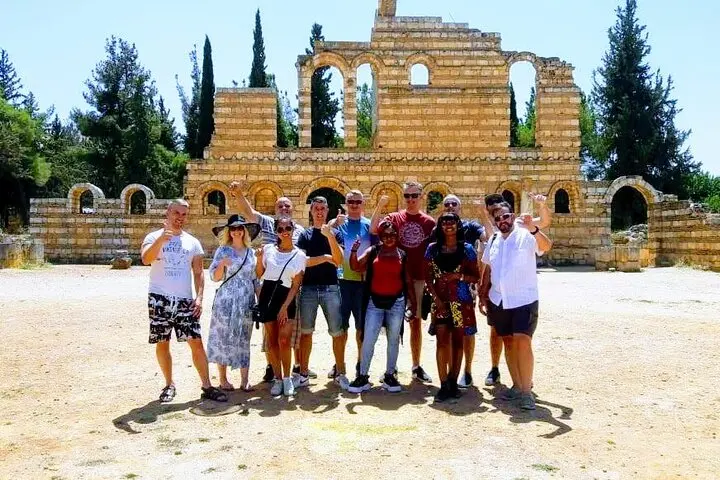
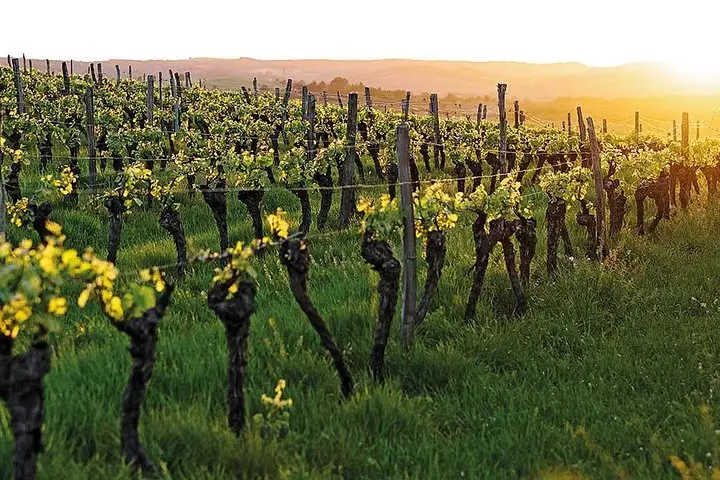
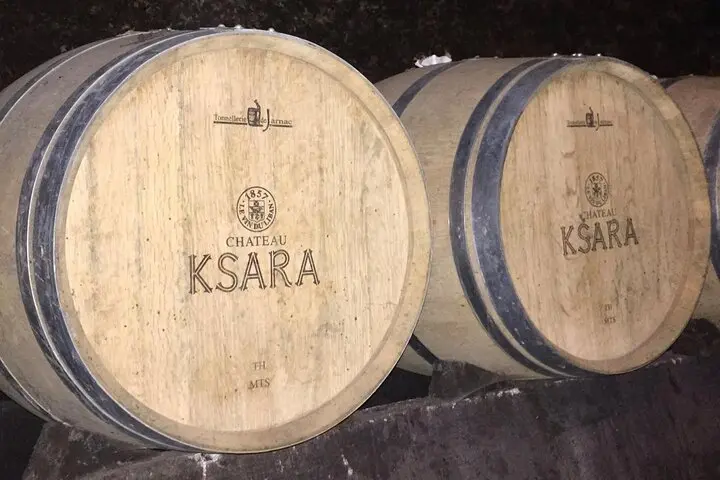
Anjar shifts the scene: an 8th‑century Umayyad city with a clear grid of streets, market ruins and the remains of baths and palaces—an intact example of early Islamic urban planning. The day finishes at Château Ksara, where Jesuit‑era cellars and limestone caves store Lebanese vintages; a guided tasting pairs local varietals with the valley’s terroir.
Expect mostly paved roads and museum‑style walking paths with uneven ancient stones and steps—wear sturdy shoes and allow time to linger at viewpoints. The tour runs about eight hours from Beirut with guided transportation, lunch, and staged visits; moderate walking is required but no technical skill. Best times are spring or fall for milder temperatures and clearer light for photography. Carry water, sunscreen and small bills for tips and souvenirs.
This itinerary blends archaeology, imperial history and living agricultural culture—an accessible, compact immersion in Lebanon’s layered past and present.
The tour is approximately 8 hours round trip and typically departs from Beirut with hotel pickup and drop‑off included.
Admission to Baalbek, Anjar and Château Ksara visits are included in the standard itinerary; confirm specific inclusions at booking.
Yes—walking is moderate and stops are flexible, but uneven surfaces may be challenging for strollers or mobility issues; notify the operator of special needs.
Yes—tastings and cellar tours usually end at a shop where bottles and local products are available for purchase; bring cash or a card.
Lebanon Tours operates guided outdoor trips and adventures with an emphasis on safety, stewardship, and memorable experiences.
You step out of the minivan into dry, high-valley air and the columns loom before you—massive, sun-streaked pillars that still throw long shadows across a stone floor two millennia old.
You step out of the minivan into dry, high-valley air and the columns loom before you—massive, sun-streaked pillars that still throw long shadows across a stone floor two millennia old.
This full-day semi-private tour threads three distinct chapters of the Bekaa Valley. At Baalbek you’ll walk beneath the Temple of Jupiter, a Roman complex built atop older Phoenician and Hellenistic layers; the scale of its carved capitals and podium blocks makes the human hand look small. A short stop at the ancient quarry reveals the “Stone of the Pregnant Woman,” a megalith that hints at pre-Roman engineering ambitions.
Anjar shifts the scene: an 8th‑century Umayyad city with a clear grid of streets, market ruins and the remains of baths and palaces—an intact example of early Islamic urban planning. The day finishes at Château Ksara, where Jesuit‑era cellars and limestone caves store Lebanese vintages; a guided tasting pairs local varietals with the valley’s terroir.
Expect mostly paved roads and museum‑style walking paths with uneven ancient stones and steps—wear sturdy shoes and allow time to linger at viewpoints. The tour runs about eight hours from Beirut with guided transportation, lunch, and staged visits; moderate walking is required but no technical skill. Best times are spring or fall for milder temperatures and clearer light for photography. Carry water, sunscreen and small bills for tips and souvenirs.
This itinerary blends archaeology, imperial history and living agricultural culture—an accessible, compact immersion in Lebanon’s layered past and present.