THE ADVENTURE COLLECTIVE® · Independent discovery and booking for outdoor travel

Spend a day crossing Samaná Bay to watch humpback whales (seasonal through March 30) and unwind on Cayo Levantado’s powder-white sand. This full-day trip pairs a focused wildlife encounter with relaxed island time, all arranged with hotel pickup and a beachfront lunch.
Spend a day crossing Samaná Bay to watch humpback whales (seasonal through March 30) and unwind on Cayo Levantado’s powder-white sand. This full-day trip pairs a focused wildlife encounter with relaxed island time, all arranged with hotel pickup and a beachfront lunch.
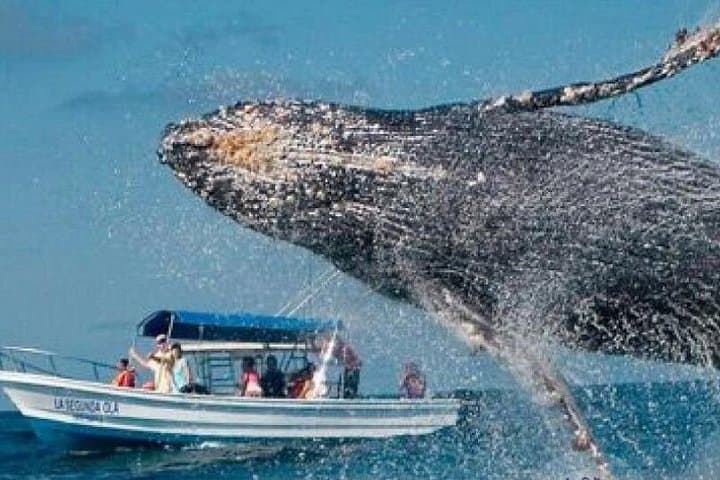
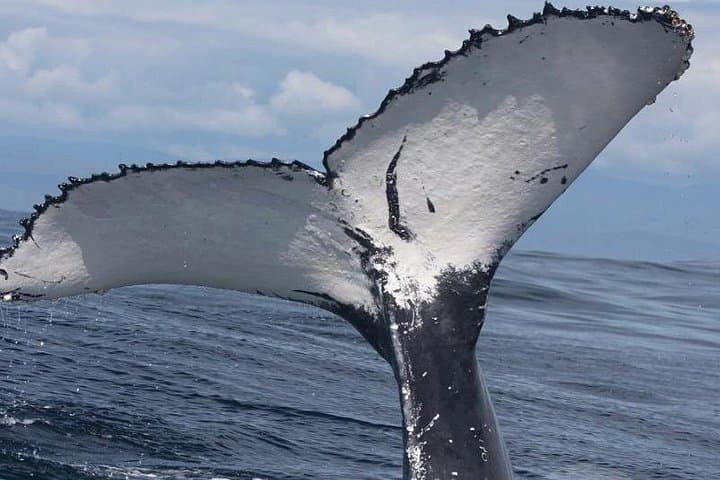
The engine hums to a steady rhythm as the boat slips free of Las Cañitas and the shoreline slides into a band of reef-lined blue. Salt air lifts the heat off your shoulders; gulls peel away and a guide scans the horizon with practiced calm. Thirty to forty minutes into Samaná Bay the water changes tone — a deeper indigo where humpback whales come each winter to breed and calf. When a tail or a spray appears, the small crowd on deck becomes urgently quiet, collectively leaning into the moment.
Verified experiences and guided adventures in the surrounding area.
Operated by Sther Travels & Tours · Samaná, Samaná Province
The engine hums to a steady rhythm as the boat slips free of Las Cañitas and the shoreline slides into a band of reef-lined blue. Salt air lifts the heat off your shoulders; gulls peel away and a guide scans the horizon with practiced calm. Thirty to forty minutes into Samaná Bay the water changes tone — a deeper indigo where humpback whales come each winter to breed and calf. When a tail or a spray appears, the small crowd on deck becomes urgently quiet, collectively leaning into the moment.
This full-day tour stitches two of the Dominican Republic’s coastal highlights into a single arc: a guided whale-watching window (roughly 45 minutes at the Humpback Sanctuary during season) and a long afternoon at Cayo Levantado, the postcard beach visitors know as Bacardi Island. The geology of the bay — broad, shallow plains cut by submarine ridges — helps create a protective nursery for whales, while Cayo Levantado’s coral-shelved shoreline supplies the picture-perfect contrast: white sand, coconut palms, and water so clear you can pick out rocks and rays beneath the surface.
Samaná has a layered history. The province was a port of contact for the Taíno people, later a refuge for marooners and a waypoint for salt and lumber trade. Today the local economy leans on tourism and small-scale fishing; lunch on Cayo Levantado is as likely to include freshly grilled fish and mangú as it is a plate of international fare. Guides on the boat double as naturalists, explaining humpback migration and the fragile coastal habitats you’re passing.
Practically, the trip is straightforward but benefits from preparation. Bring reef-safe sunscreen and a wide-brimmed hat for hours on Cayo Levantado; shoes that can handle wet sand and a short rocky walk. If you’re prone to seasickness, take medication the night before and the morning of departure—the bay can be calm but crossings can surprise. The operator provides round-trip transportation from many hotels and includes lunch, drinks, entrance fees and a trained guide; tipping and a small local cash reserve for souvenirs are recommended. Note the seasonal change: whale watching is included through March 30; tours after April 1 focus on the island stop only.
For photographers, the tight window near the whale sanctuary rewards quick lenses and a steady hand; beach shots on Cayo Levantado are best in late afternoon when the sun softens. Respect the wildlife rules: stay with the group, let the guide position the boat, and keep interactions passive. Between the surge of a whale breach and the hush that follows, this excursion gives you a day that feels expertly paced — equal parts wildlife encounter, beach rest, and Dominican coastal life.
Peak humpback season runs from mid-January through late March; this tour includes whale watching through March 30.
The boat typically allocates about 45 minutes at the sanctioned whale-watching area, depending on sightings and sea conditions.
The operator lists wheelchair-accessible options for transportation and most surfaces, but boarding the boat may require assistance—contact the supplier ahead to arrange support.
Round-trip transport from selected hotels, boat ride, whale watching (in season), entrance fees, professional guide, beachfront lunch and drinks, and return transfer are included.
Some light snorkeling is possible from the beach; bring your own mask if you prefer, though organized snorkeling may not be provided on every departure.
Tipping is common for good service—prepare small bills for guides and crew; 10–15% of the tour cost across staff is a reasonable guideline.
Sther Travels & Tours operates guided outdoor trips and adventures with an emphasis on safety, stewardship, and memorable experiences.


The engine hums to a steady rhythm as the boat slips free of Las Cañitas and the shoreline slides into a band of reef-lined blue. Salt air lifts the heat off your shoulders; gulls peel away and a guide scans the horizon with practiced calm. Thirty to forty minutes into Samaná Bay the water changes tone — a deeper indigo where humpback whales come each winter to breed and calf. When a tail or a spray appears, the small crowd on deck becomes urgently quiet, collectively leaning into the moment.
The engine hums to a steady rhythm as the boat slips free of Las Cañitas and the shoreline slides into a band of reef-lined blue. Salt air lifts the heat off your shoulders; gulls peel away and a guide scans the horizon with practiced calm. Thirty to forty minutes into Samaná Bay the water changes tone — a deeper indigo where humpback whales come each winter to breed and calf. When a tail or a spray appears, the small crowd on deck becomes urgently quiet, collectively leaning into the moment.
This full-day tour stitches two of the Dominican Republic’s coastal highlights into a single arc: a guided whale-watching window (roughly 45 minutes at the Humpback Sanctuary during season) and a long afternoon at Cayo Levantado, the postcard beach visitors know as Bacardi Island. The geology of the bay — broad, shallow plains cut by submarine ridges — helps create a protective nursery for whales, while Cayo Levantado’s coral-shelved shoreline supplies the picture-perfect contrast: white sand, coconut palms, and water so clear you can pick out rocks and rays beneath the surface.
Samaná has a layered history. The province was a port of contact for the Taíno people, later a refuge for marooners and a waypoint for salt and lumber trade. Today the local economy leans on tourism and small-scale fishing; lunch on Cayo Levantado is as likely to include freshly grilled fish and mangú as it is a plate of international fare. Guides on the boat double as naturalists, explaining humpback migration and the fragile coastal habitats you’re passing.
Practically, the trip is straightforward but benefits from preparation. Bring reef-safe sunscreen and a wide-brimmed hat for hours on Cayo Levantado; shoes that can handle wet sand and a short rocky walk. If you’re prone to seasickness, take medication the night before and the morning of departure—the bay can be calm but crossings can surprise. The operator provides round-trip transportation from many hotels and includes lunch, drinks, entrance fees and a trained guide; tipping and a small local cash reserve for souvenirs are recommended. Note the seasonal change: whale watching is included through March 30; tours after April 1 focus on the island stop only.
For photographers, the tight window near the whale sanctuary rewards quick lenses and a steady hand; beach shots on Cayo Levantado are best in late afternoon when the sun softens. Respect the wildlife rules: stay with the group, let the guide position the boat, and keep interactions passive. Between the surge of a whale breach and the hush that follows, this excursion gives you a day that feels expertly paced — equal parts wildlife encounter, beach rest, and Dominican coastal life.