THE ADVENTURE COLLECTIVE® · Independent discovery and booking for outdoor travel
Spend two days camping above Cuenca in the rugged, lake-studded páramo of Cajas National Park. This guided tour pairs five hours of hiking per day with simple backcountry camps and expert local knowledge—ideal for fit hikers seeking high-altitude wilderness near the city.
Spend two days camping above Cuenca in the rugged, lake-studded páramo of Cajas National Park. This guided tour pairs five hours of hiking per day with simple backcountry camps and expert local knowledge—ideal for fit hikers seeking high-altitude wilderness near the city.
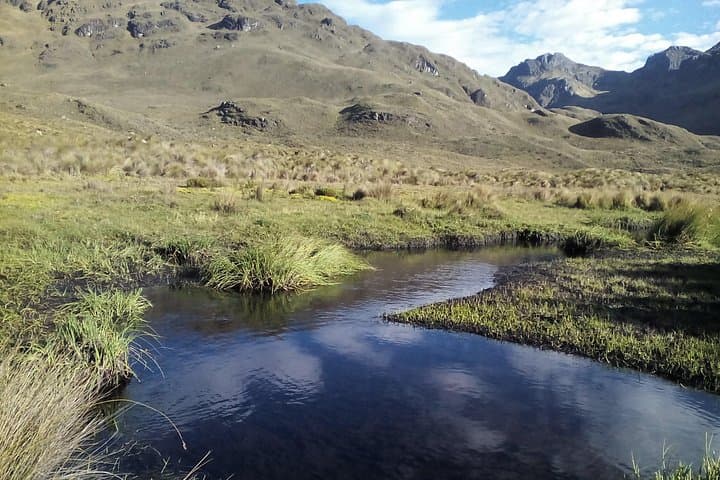
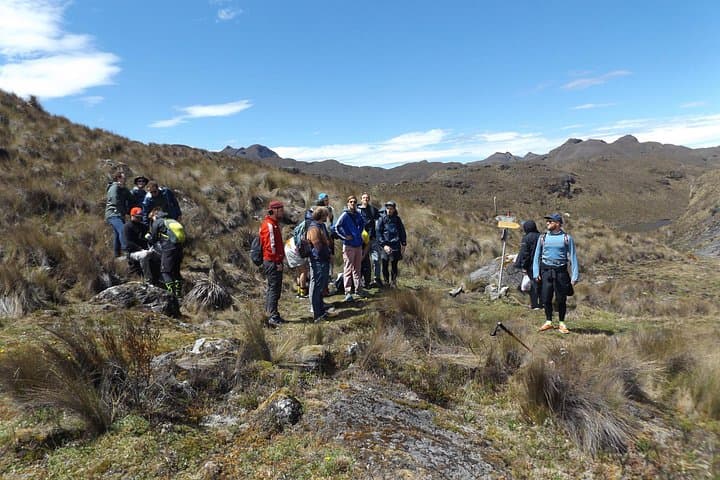
Wet grass gleams under a low Andean sun as you step out of the transfer and into the wind-swept páramo of Cajas National Park. Stones click under boots, lakes mirror high cloud, and the guide tightens a map against a shoulder—this is terrain that asks to be walked slowly, then decisively.
Verified experiences and guided adventures in the surrounding area.
Operated by Polylepis Tours · Cuenca, Azuay
Wet grass gleams under a low Andean sun as you step out of the transfer and into the wind-swept páramo of Cajas National Park. Stones click under boots, lakes mirror high cloud, and the guide tightens a map against a shoulder—this is terrain that asks to be walked slowly, then decisively.
Cajas sits on ancient glacial plates carved into thousands of small highland lakes and moraines; its protected status (established in the 1990s) preserves Andean flora like cushion plants and ichu grass and a scattering of pre-Columbian trails once used by the Cañari people. Geology here is blunt and honest: quartzite ridges, peat soils, and tarns that change color with afternoon light. Local communities around Cuenca maintain grazing and lake-use traditions, and guides often share stories about historic water rights and mountain lore.
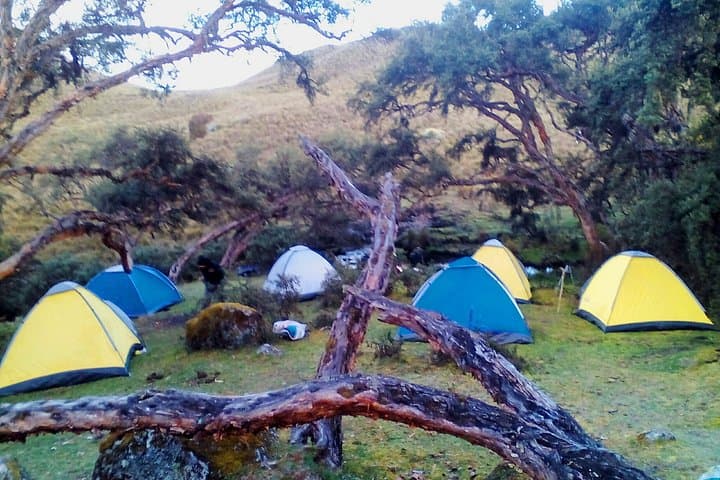
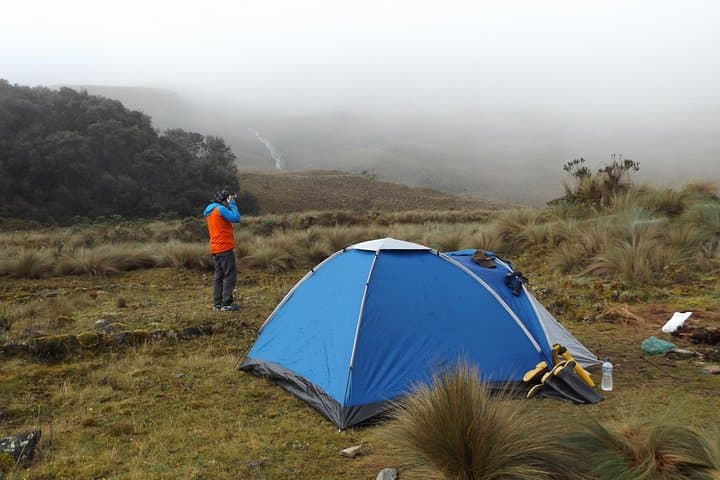
On a two-day camping loop expect about five hours of walking per day at 3,100–4,400 m elevation—thin air will make the hills feel steeper than the map suggests. Campsites are simple; the tour includes meals, private transport, and an experienced guide, and equipment can be rented if needed. Practical notes: layer for sun and sudden rain, pace yourself for altitude, and carry water treatment and a small first-aid kit. Leave no trace—peat and páramo vegetation recover slowly.
This itinerary suits hikers who want raw Andean landscapes with overnight exposure to high-altitude weather and a short, concentrated wilderness experience accessible from Cuenca.
The tour offers camping equipment for rent if you don’t have your own; confirm sizes and availability when booking.
No technical climbing skills are required, but participants should be comfortable hiking several hours per day at high altitude.
Yes—hotel pickup and drop-off in Cuenca are included as part of the tour package.
Acclimatize in Cuenca before the trip, stay hydrated, ascend slowly, and inform the guide if you experience symptoms; they can adjust pace or descend if needed.
Polylepis Tours operates guided outdoor trips and adventures with an emphasis on safety, stewardship, and memorable experiences.
Wet grass gleams under a low Andean sun as you step out of the transfer and into the wind-swept páramo of Cajas National Park. Stones click under boots, lakes mirror high cloud, and the guide tightens a map against a shoulder—this is terrain that asks to be walked slowly, then decisively.
Wet grass gleams under a low Andean sun as you step out of the transfer and into the wind-swept páramo of Cajas National Park. Stones click under boots, lakes mirror high cloud, and the guide tightens a map against a shoulder—this is terrain that asks to be walked slowly, then decisively.
Cajas sits on ancient glacial plates carved into thousands of small highland lakes and moraines; its protected status (established in the 1990s) preserves Andean flora like cushion plants and ichu grass and a scattering of pre-Columbian trails once used by the Cañari people. Geology here is blunt and honest: quartzite ridges, peat soils, and tarns that change color with afternoon light. Local communities around Cuenca maintain grazing and lake-use traditions, and guides often share stories about historic water rights and mountain lore.
On a two-day camping loop expect about five hours of walking per day at 3,100–4,400 m elevation—thin air will make the hills feel steeper than the map suggests. Campsites are simple; the tour includes meals, private transport, and an experienced guide, and equipment can be rented if needed. Practical notes: layer for sun and sudden rain, pace yourself for altitude, and carry water treatment and a small first-aid kit. Leave no trace—peat and páramo vegetation recover slowly.
This itinerary suits hikers who want raw Andean landscapes with overnight exposure to high-altitude weather and a short, concentrated wilderness experience accessible from Cuenca.
