THE ADVENTURE COLLECTIVE® · Independent discovery and booking for outdoor travel

Walk beyond the boardwalks on a guided 6–7 mile Yellowstone hike that blends geology, wildlife viewing and field-led interpretation. Guides provide lunch, bear spray and local insight for a safe, tailored backcountry experience.
Walk beyond the boardwalks on a guided 6–7 mile Yellowstone hike that blends geology, wildlife viewing and field-led interpretation. Guides provide lunch, bear spray and local insight for a safe, tailored backcountry experience.
The morning begins at the IMAX/Visitor Center parking lot in West Yellowstone, where the guide greets the group with a canvas pack, a clipped bear spray, and a map scrawled with hand-drawn notes. Within minutes you move from town pavement into a changing world: lodgepole pines thin, meadows open, and the air cools as the park’s high desert slope gives way to rivers and hidden ridgelines. The hike slips behind the vistas most visitors see from pullouts; it feels like you've stepped into Yellowstone’s private rooms.
Verified experiences and guided adventures in the surrounding area.
Operated by Yellowstone’s Casanova Guided Tours · West Yellowstone, Montana
The morning begins at the IMAX/Visitor Center parking lot in West Yellowstone, where the guide greets the group with a canvas pack, a clipped bear spray, and a map scrawled with hand-drawn notes. Within minutes you move from town pavement into a changing world: lodgepole pines thin, meadows open, and the air cools as the park’s high desert slope gives way to rivers and hidden ridgelines. The hike slips behind the vistas most visitors see from pullouts; it feels like you've stepped into Yellowstone’s private rooms.
Geology here is loud in its silence. The trail traces old volcanic flows and glacial scours—yellowed rhyolite and gray basalt underfoot, knobby outcrops that once channeled hot springs. The land still remembers its past in the form of fumaroles and mineral-streaked streambeds a drive away. Culturally, this is Crow, Shoshone and Bannock country; many valley names and traditional travel routes were established long before park roads followed the rivers. Guides often bring those stories to the trail, explaining how native hunters read the same ridgelines and how early explorers misread the park’s bounty as endless.
On a hike of 6–7 miles, you’ll get close to wildlife without disturbing it: a herd of elk pausing in a meadow, a lone bison moving with purposeful indifference, maybe the flash of a coyote on a ridge. Guides carry bear spray and brief groups on low-impact viewing—how to position, when to retreat, and where to find quiet vantage points for a quick lunch. The provided meal is practical fuel—sandwiches, fruit, and trail-savvy snacks—handed out where the view encourages a pause.
Practicalities matter: expect varied footing—packed dirt, rocky switchbacks and occasional wet meadow sections—so shoes with good tread and ankle support are essential. Altitude hovers around 6,500–7,500 feet, which can make pace feel brisk; hydrate deliberately the day before and bring a minimum of 1.5–2 liters of water. The guides are certified in first aid and CPR and keep group sizes small (typically under 11) so the hike remains conversational and safe.
Timing is everything—start early to avoid afternoon thunderstorms and the busiest park roads. Leave electronics accessible but stowed: you’ll want both hands free if a distant bison decides to cross. If you have specific wildlife or botanical interests, request that ahead of time; the guide tailors the route to match group goals.
This is a hike that balances curiosity and caution—an intimate way to see Yellowstone beyond the boardwalks, where the land still pushes back a little and rewards you with moments that feel earned.
Guided interpretive hike, certified guides, bear spray carried by guides, snacks and a provided lunch; backpacks and trekking poles available if requested in advance.
The route covers 6–7 miles with varied terrain and moderate elevation; participants should have a moderate fitness level and be comfortable walking several hours.
Wildlife sightings are common but not guaranteed; guides choose routes to maximize opportunities while prioritizing safety and low-impact viewing.
Guides carry bear spray and are trained in wildlife safety; participants do not need to bring their own unless preferred and experienced with its use.
Infants and small children can ride in a stroller or carrier, but the tour is not recommended for those with spinal issues or pregnant travelers; contact the supplier to discuss specifics.
Full refund if canceled at least 24 hours before departure; tours may be canceled for bad weather or low participation.
Yellowstone’s Casanova Guided Tours operates guided outdoor trips and adventures with an emphasis on safety, stewardship, and memorable experiences.
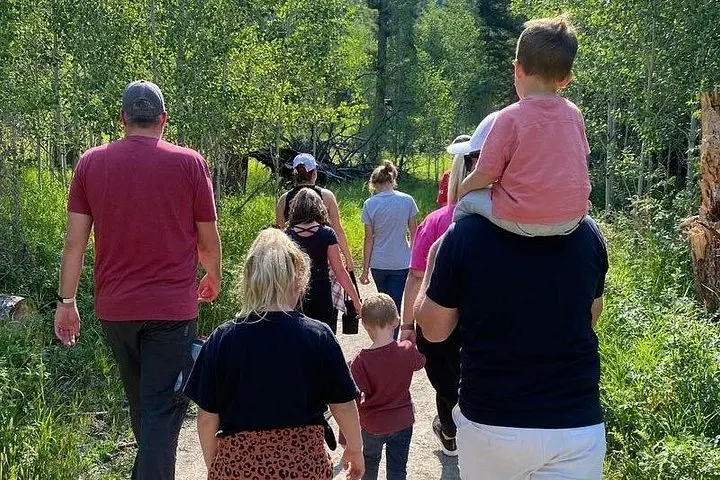
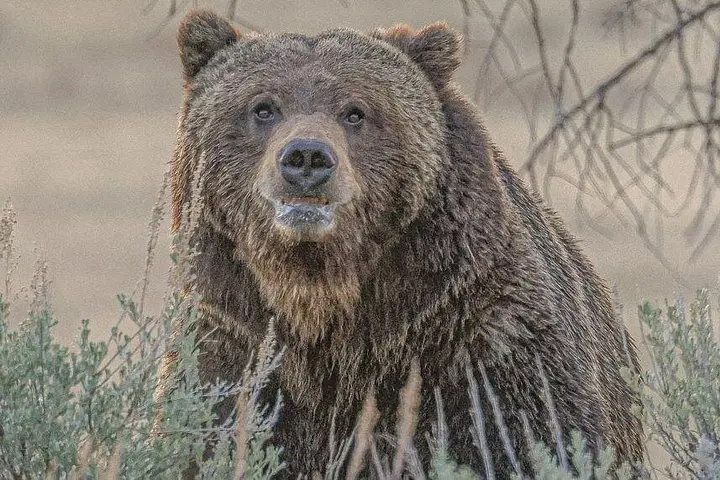
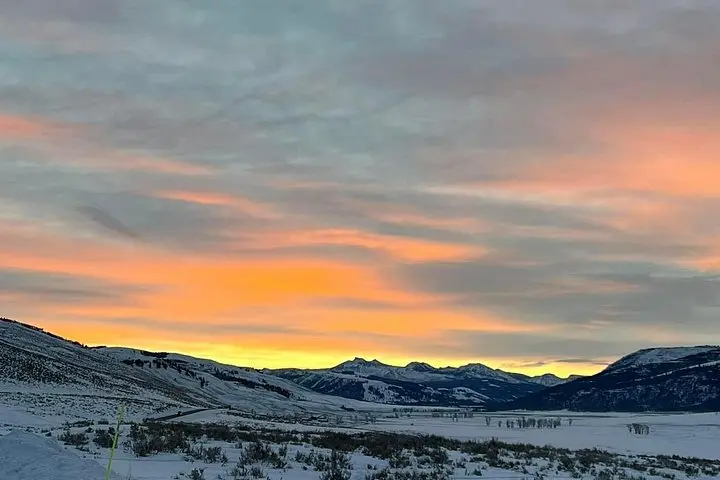
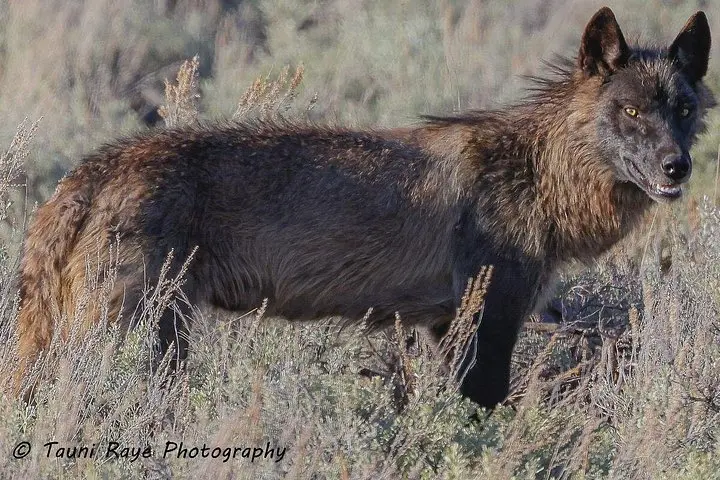
The morning begins at the IMAX/Visitor Center parking lot in West Yellowstone, where the guide greets the group with a canvas pack, a clipped bear spray, and a map scrawled with hand-drawn notes. Within minutes you move from town pavement into a changing world: lodgepole pines thin, meadows open, and the air cools as the park’s high desert slope gives way to rivers and hidden ridgelines. The hike slips behind the vistas most visitors see from pullouts; it feels like you've stepped into Yellowstone’s private rooms.
The morning begins at the IMAX/Visitor Center parking lot in West Yellowstone, where the guide greets the group with a canvas pack, a clipped bear spray, and a map scrawled with hand-drawn notes. Within minutes you move from town pavement into a changing world: lodgepole pines thin, meadows open, and the air cools as the park’s high desert slope gives way to rivers and hidden ridgelines. The hike slips behind the vistas most visitors see from pullouts; it feels like you've stepped into Yellowstone’s private rooms.
Geology here is loud in its silence. The trail traces old volcanic flows and glacial scours—yellowed rhyolite and gray basalt underfoot, knobby outcrops that once channeled hot springs. The land still remembers its past in the form of fumaroles and mineral-streaked streambeds a drive away. Culturally, this is Crow, Shoshone and Bannock country; many valley names and traditional travel routes were established long before park roads followed the rivers. Guides often bring those stories to the trail, explaining how native hunters read the same ridgelines and how early explorers misread the park’s bounty as endless.
On a hike of 6–7 miles, you’ll get close to wildlife without disturbing it: a herd of elk pausing in a meadow, a lone bison moving with purposeful indifference, maybe the flash of a coyote on a ridge. Guides carry bear spray and brief groups on low-impact viewing—how to position, when to retreat, and where to find quiet vantage points for a quick lunch. The provided meal is practical fuel—sandwiches, fruit, and trail-savvy snacks—handed out where the view encourages a pause.
Practicalities matter: expect varied footing—packed dirt, rocky switchbacks and occasional wet meadow sections—so shoes with good tread and ankle support are essential. Altitude hovers around 6,500–7,500 feet, which can make pace feel brisk; hydrate deliberately the day before and bring a minimum of 1.5–2 liters of water. The guides are certified in first aid and CPR and keep group sizes small (typically under 11) so the hike remains conversational and safe.
Timing is everything—start early to avoid afternoon thunderstorms and the busiest park roads. Leave electronics accessible but stowed: you’ll want both hands free if a distant bison decides to cross. If you have specific wildlife or botanical interests, request that ahead of time; the guide tailors the route to match group goals.
This is a hike that balances curiosity and caution—an intimate way to see Yellowstone beyond the boardwalks, where the land still pushes back a little and rewards you with moments that feel earned.