THE ADVENTURE COLLECTIVE® · Independent discovery and booking for outdoor travel

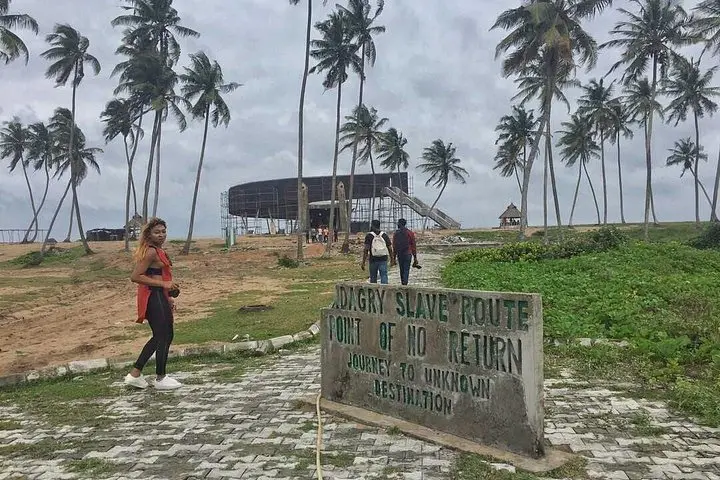
Visit Badagry’s former slave port and cross by boat to Gberefu Island’s Point of No Return. This private, 6–7 hour tour mixes museum visits, coastal crossings and reflective memorial stops led by local guides.
Visit Badagry’s former slave port and cross by boat to Gberefu Island’s Point of No Return. This private, 6–7 hour tour mixes museum visits, coastal crossings and reflective memorial stops led by local guides.
You step off the air-conditioned van into heat and salt air, the lagoon ahead a flat sheet of gray that seems to wait with stories. Local palms lean toward the water as if listening; the boat engine chugs and the guide's voice draws a straight line from living memory to the shoreline where ships once claimed people as cargo.
Verified experiences and guided adventures in the surrounding area.
Operated by Samap Travels & Tours LTD · Badagry, Lagos State
You step off the air-conditioned van into heat and salt air, the lagoon ahead a flat sheet of gray that seems to wait with stories. Local palms lean toward the water as if listening; the boat engine chugs and the guide's voice draws a straight line from living memory to the shoreline where ships once claimed people as cargo.
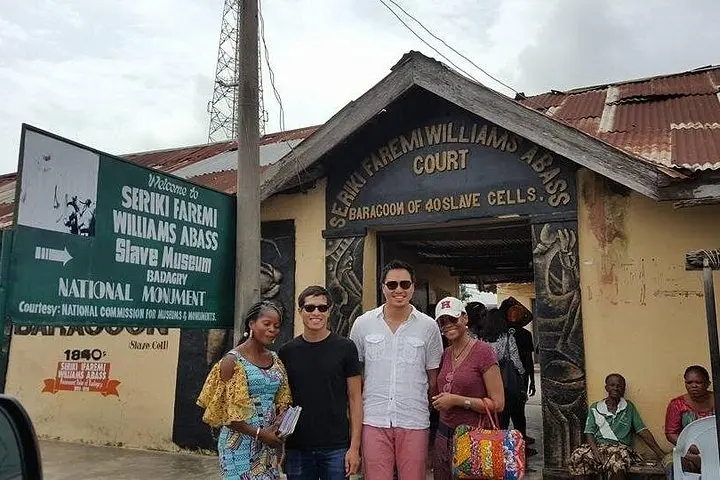
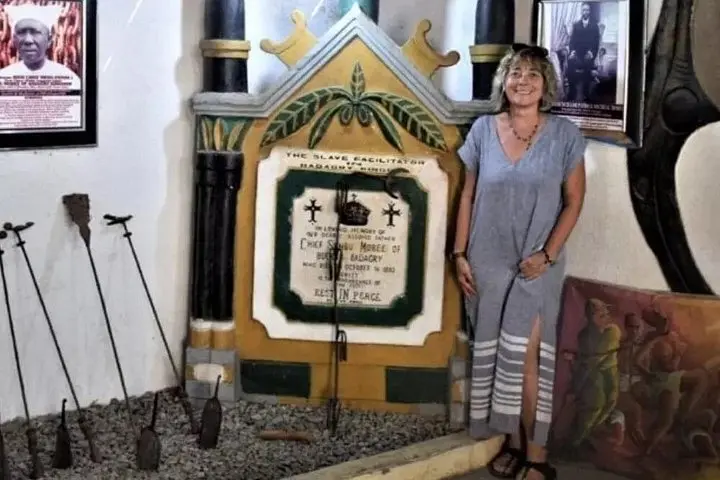
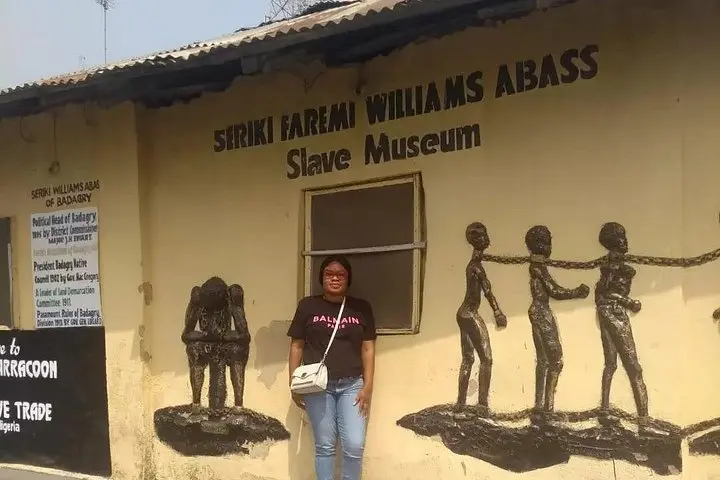
Badagry was one of West Africa’s busiest slave ports from the 17th to 19th centuries. The tour moves through compact, concrete rooms of the William Seriki Abass slave barracoon and the Mobee Slave Relics Museum, then to the first storey building in Nigeria where early missionaries and linguists like Samuel Ajayi Crowther worked. Geology here is coastal—sandy beaches backed by low mangrove-lined lagoons—and that sandy edge was a literal threshold between continents.
Culturally the tour is intimate and solemn: local guides recount names, rituals and the Attenuation Well—an exercise in difficult memory that many visitors treat with quiet reflection. Expect short walks between sites, a guided boat crossing to Gberefu Island (the so-called Point of No Return), and pauses for interpretation rather than spectacle.
Practical guidance: this is a half- to full-day private tour (about 6–7 hours). Wear sturdy walking shoes for packed sand and steps, sun protection and bring water (bottled water is provided). Photography is allowed but be respectful at memorial sites. The experience is emotionally weighty—allow time afterward to process and, if possible, support local heritage projects or purchase local crafts to contribute directly to the community.
The operator lists wheelchair accessibility for vehicle and some sites, but Gberefu Island and certain museum areas include steps and sandy surfaces—contact the provider in advance to confirm arrangements.
Yes—short crossings are conducted by experienced crew and life jackets are typically available; inform the guide if you need extra assistance.
Most tours are conducted in English; local guides may speak Yoruba and Pidgin—request a specific language when booking if needed.
Typically private transport, entrance fees to listed museums, bottled water, guided interpretation and the boat transfer to Gberefu Island are included—check the booking page for full inclusions.
Samap Travels & Tours LTD operates guided outdoor trips and adventures with an emphasis on safety, stewardship, and memorable experiences.
You step off the air-conditioned van into heat and salt air, the lagoon ahead a flat sheet of gray that seems to wait with stories. Local palms lean toward the water as if listening; the boat engine chugs and the guide's voice draws a straight line from living memory to the shoreline where ships once claimed people as cargo.
You step off the air-conditioned van into heat and salt air, the lagoon ahead a flat sheet of gray that seems to wait with stories. Local palms lean toward the water as if listening; the boat engine chugs and the guide's voice draws a straight line from living memory to the shoreline where ships once claimed people as cargo.
Badagry was one of West Africa’s busiest slave ports from the 17th to 19th centuries. The tour moves through compact, concrete rooms of the William Seriki Abass slave barracoon and the Mobee Slave Relics Museum, then to the first storey building in Nigeria where early missionaries and linguists like Samuel Ajayi Crowther worked. Geology here is coastal—sandy beaches backed by low mangrove-lined lagoons—and that sandy edge was a literal threshold between continents.
Culturally the tour is intimate and solemn: local guides recount names, rituals and the Attenuation Well—an exercise in difficult memory that many visitors treat with quiet reflection. Expect short walks between sites, a guided boat crossing to Gberefu Island (the so-called Point of No Return), and pauses for interpretation rather than spectacle.
Practical guidance: this is a half- to full-day private tour (about 6–7 hours). Wear sturdy walking shoes for packed sand and steps, sun protection and bring water (bottled water is provided). Photography is allowed but be respectful at memorial sites. The experience is emotionally weighty—allow time afterward to process and, if possible, support local heritage projects or purchase local crafts to contribute directly to the community.