THE ADVENTURE COLLECTIVE® · Independent discovery and booking for outdoor travel

Walk through the sunlit slopes of Neuweier’s vineyards with a local guide who explains plot names, soils and winemaking traditions. The private, 2.5-hour tour mixes easy terrain with focused viticulture insight and optional tastings.
Walk through the sunlit slopes of Neuweier’s vineyards with a local guide who explains plot names, soils and winemaking traditions. The private, 2.5-hour tour mixes easy terrain with focused viticulture insight and optional tastings.
A morning begins on a sun-warmed slope above Neuweier, vines fanning out like ordered waves and a cool Black Forest breeze nudging the leaves. The guide steps ahead, pointing to a row of gnarly trunks and a slate-colored outcrop where the soil thins; the walk moves at a relaxed pace, the path alternating between grassy tracks and compacted dirt that follows ancient parcel lines.
Verified experiences and guided adventures in the surrounding area.
Operated by Opatrip.com Germany · Baden-Baden, Baden-Württemberg
A morning begins on a sun-warmed slope above Neuweier, vines fanning out like ordered waves and a cool Black Forest breeze nudging the leaves. The guide steps ahead, pointing to a row of gnarly trunks and a slate-colored outcrop where the soil thins; the walk moves at a relaxed pace, the path alternating between grassy tracks and compacted dirt that follows ancient parcel lines.
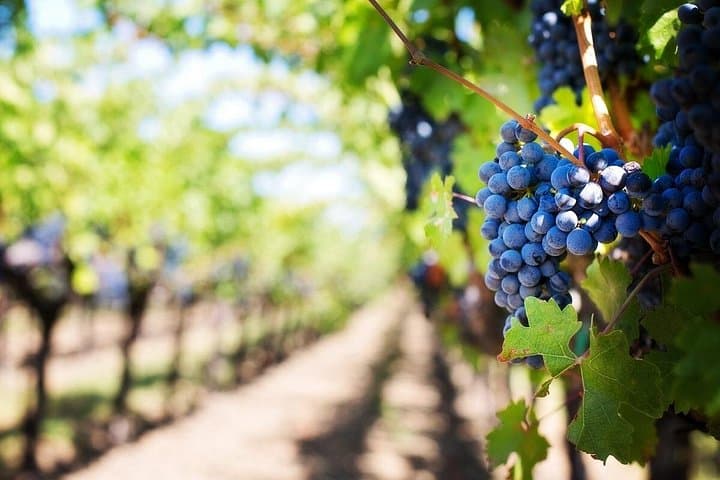
This stretch of Baden’s wine country has roots that reach back to medieval viticulture and earlier Roman plantings. Geology matters here: steep loess and volcanic-influenced soils give structure to local Spätburgunder and Müller-Thurgau. Culturally, Neuweier’s villages grew with wine—stone terraces, low walls and lane-side presses are reminders that production shaped settlements as much as climate.
On the tour expect practical lessons as much as scenery: pruning cycles, canopy management, and how slope aspect changes ripening by days. The guide will point out named plots—Mauerberg, Altenberg, Stich den Buben—and explain their reputations. If desired, a post-walk tasting (extra fee) introduces regional styles.
Plan for unpaved footing and variable shade: supportive footwear and a refillable bottle matter. Public transport reaches nearby, but comfortable shoes and a light waterproof are wise choices if weather shifts. Photos are best in late afternoon when the vines throw long shadows, but mornings are quieter for listening to the slopes: wind through leaves, the distant town bell, and the slow work of vines maturing toward harvest.
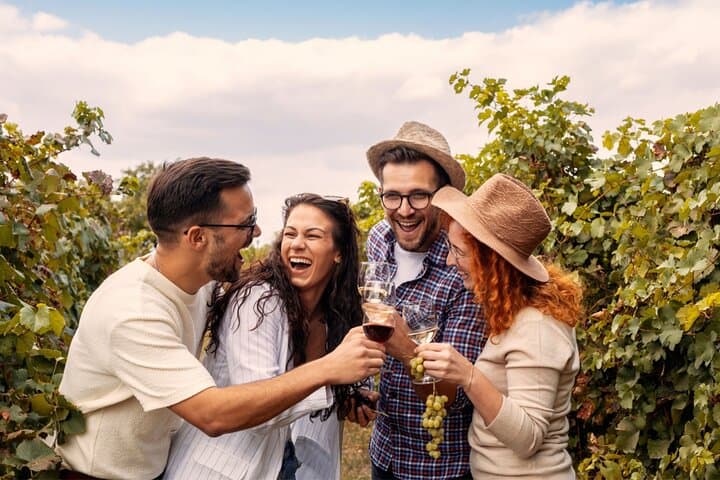
Tastings are usually offered as an optional extra for an additional fee—confirm at booking.
Children may join, but some tasting locations restrict access; the operator notes that drinking age is 18+ and some areas may have limitations for minors.
The route is rated easy—mostly gentle slopes and farm tracks—but expect uneven ground and short uphill segments.
This specific tour is sold as all-sales-final with no refunds for cancellations; verify weather-related adjustments with the operator.
Opatrip.com Germany operates guided outdoor trips and adventures with an emphasis on safety, stewardship, and memorable experiences.

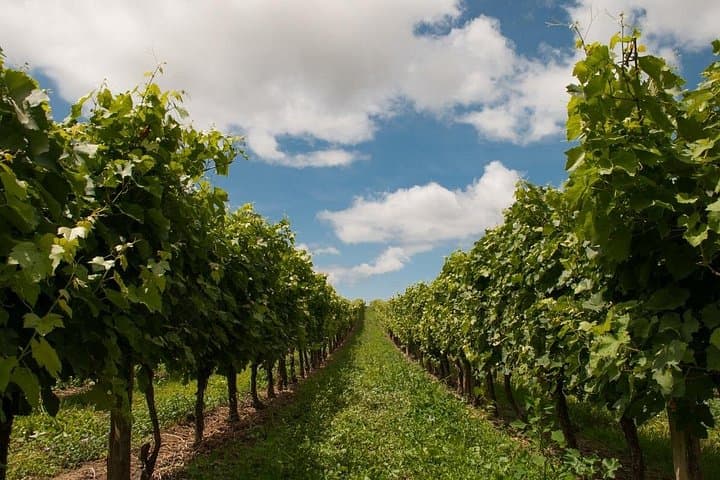
A morning begins on a sun-warmed slope above Neuweier, vines fanning out like ordered waves and a cool Black Forest breeze nudging the leaves. The guide steps ahead, pointing to a row of gnarly trunks and a slate-colored outcrop where the soil thins; the walk moves at a relaxed pace, the path alternating between grassy tracks and compacted dirt that follows ancient parcel lines.
A morning begins on a sun-warmed slope above Neuweier, vines fanning out like ordered waves and a cool Black Forest breeze nudging the leaves. The guide steps ahead, pointing to a row of gnarly trunks and a slate-colored outcrop where the soil thins; the walk moves at a relaxed pace, the path alternating between grassy tracks and compacted dirt that follows ancient parcel lines.
This stretch of Baden’s wine country has roots that reach back to medieval viticulture and earlier Roman plantings. Geology matters here: steep loess and volcanic-influenced soils give structure to local Spätburgunder and Müller-Thurgau. Culturally, Neuweier’s villages grew with wine—stone terraces, low walls and lane-side presses are reminders that production shaped settlements as much as climate.
On the tour expect practical lessons as much as scenery: pruning cycles, canopy management, and how slope aspect changes ripening by days. The guide will point out named plots—Mauerberg, Altenberg, Stich den Buben—and explain their reputations. If desired, a post-walk tasting (extra fee) introduces regional styles.
Plan for unpaved footing and variable shade: supportive footwear and a refillable bottle matter. Public transport reaches nearby, but comfortable shoes and a light waterproof are wise choices if weather shifts. Photos are best in late afternoon when the vines throw long shadows, but mornings are quieter for listening to the slopes: wind through leaves, the distant town bell, and the slow work of vines maturing toward harvest.