THE ADVENTURE COLLECTIVE® · Independent discovery and booking for outdoor travel

Watch the Badlands shift from gold to cobalt at sunset, then recline on supplied mats beneath one of the nation’s darkest skies. This private tour pairs wildlife viewing in Sage Creek with guided stargazing—telescopes, night photography, and constellation charts included.
Watch the Badlands shift from gold to cobalt at sunset, then recline on supplied mats beneath one of the nation’s darkest skies. This private tour pairs wildlife viewing in Sage Creek with guided stargazing—telescopes, night photography, and constellation charts included.
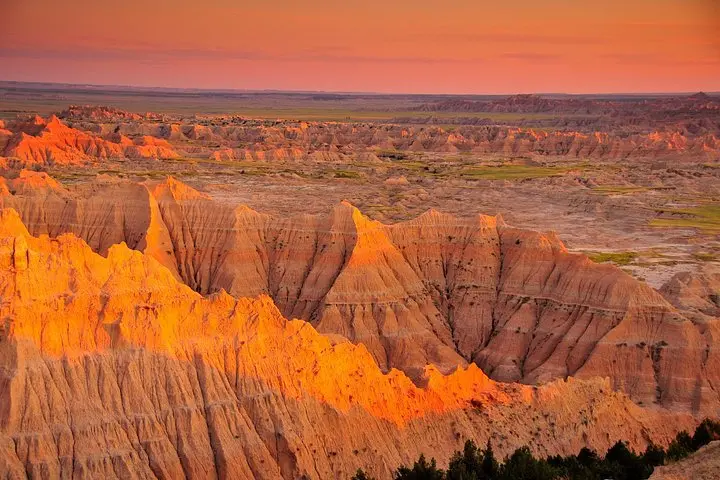
The sun is a low orange coin sinking behind jagged clay spires as you drive into the Sage Creek area of Badlands National Park. Wind-sculpted buttes and ribbed terraces throw long shadows; prairie grasses lean toward the last light while pronghorn silhouette the ridgelines. As twilight deepens, the horizon shifts from warm ochre to the electric blues of the ‘‘blue hour,’’ and the park's wide, dark skies begin to reveal planets and a rising band of stars.
Verified experiences and guided adventures in the surrounding area.
Operated by My XO Adventures · Wall, South Dakota
The sun is a low orange coin sinking behind jagged clay spires as you drive into the Sage Creek area of Badlands National Park. Wind-sculpted buttes and ribbed terraces throw long shadows; prairie grasses lean toward the last light while pronghorn silhouette the ridgelines. As twilight deepens, the horizon shifts from warm ochre to the electric blues of the ‘‘blue hour,’’ and the park's wide, dark skies begin to reveal planets and a rising band of stars.
Geology here reads like pages of Earth history—layers of sediment and volcanic ash compressed over 75 million years into the eroded fins and pinnacles you now watch from a prepared overlook. Culturally, this landscape is ancestral territory of the Oglala Lakota; several sites and place names in the park recall both leadership and tragedy, including routes tied to Bigfoot (Chief Spotted Elk) and Wounded Knee.
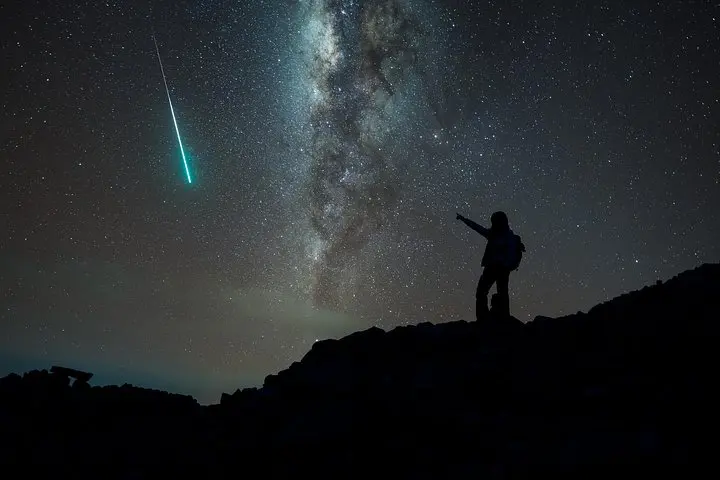
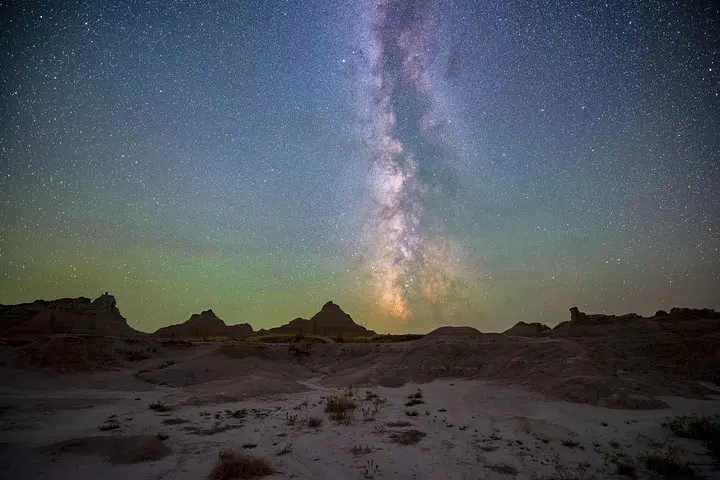
After sunset the tour moves to a secluded stargazing field known to local guides. Telescopes, constellation charts and red-light flashlights preserve night vision while guides point out planets, satellites and the core of the Milky Way—over 7,000 stars visible on a clear night. Guides photograph the sky and wildlife, and share images afterward.
Practically, expect a 6–7 hour excursion with minimal walking but prolonged exposure to cold and wind; layers, warm footwear and a charged phone or camera are key. The operator provides blankets, reclining chairs, bottled water and snacks. Book for new-moon nights for best Milky Way visibility and arrive prepared for remote dirt roads and limited cell service.
Most pickups launch from Rapid City and drive about 60–90 minutes depending on pickup location and route to the Sage Creek area.
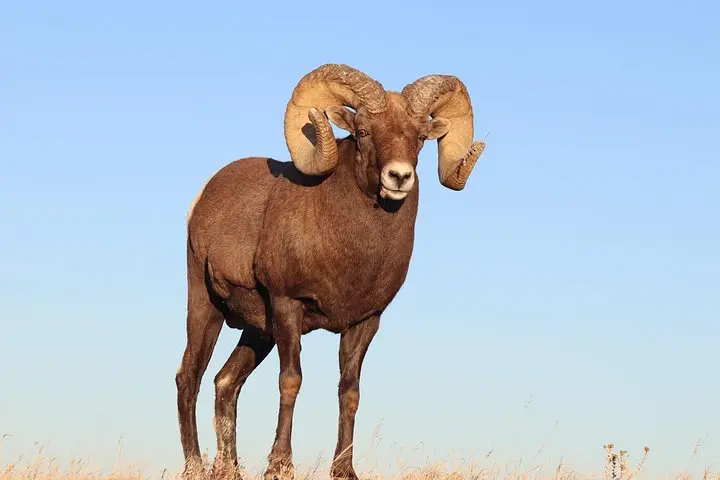
Guides take you to areas where animals concentrate around sunset, increasing chances to see pronghorn, bison, and coyotes, but wildlife sightings can't be guaranteed.
Yes—this family-friendly tour requires no strenuous activity; guides provide blankets and reclining chairs for comfort, but check age recommendations with the operator.
Tours may be canceled or rescheduled if cloud cover blocks the night sky; operators often notify guests in advance for safety and visibility reasons.
My XO Adventures operates guided outdoor trips and adventures with an emphasis on safety, stewardship, and memorable experiences.
The sun is a low orange coin sinking behind jagged clay spires as you drive into the Sage Creek area of Badlands National Park. Wind-sculpted buttes and ribbed terraces throw long shadows; prairie grasses lean toward the last light while pronghorn silhouette the ridgelines. As twilight deepens, the horizon shifts from warm ochre to the electric blues of the ‘‘blue hour,’’ and the park's wide, dark skies begin to reveal planets and a rising band of stars.
The sun is a low orange coin sinking behind jagged clay spires as you drive into the Sage Creek area of Badlands National Park. Wind-sculpted buttes and ribbed terraces throw long shadows; prairie grasses lean toward the last light while pronghorn silhouette the ridgelines. As twilight deepens, the horizon shifts from warm ochre to the electric blues of the ‘‘blue hour,’’ and the park's wide, dark skies begin to reveal planets and a rising band of stars.
Geology here reads like pages of Earth history—layers of sediment and volcanic ash compressed over 75 million years into the eroded fins and pinnacles you now watch from a prepared overlook. Culturally, this landscape is ancestral territory of the Oglala Lakota; several sites and place names in the park recall both leadership and tragedy, including routes tied to Bigfoot (Chief Spotted Elk) and Wounded Knee.
After sunset the tour moves to a secluded stargazing field known to local guides. Telescopes, constellation charts and red-light flashlights preserve night vision while guides point out planets, satellites and the core of the Milky Way—over 7,000 stars visible on a clear night. Guides photograph the sky and wildlife, and share images afterward.
Practically, expect a 6–7 hour excursion with minimal walking but prolonged exposure to cold and wind; layers, warm footwear and a charged phone or camera are key. The operator provides blankets, reclining chairs, bottled water and snacks. Book for new-moon nights for best Milky Way visibility and arrive prepared for remote dirt roads and limited cell service.