THE ADVENTURE COLLECTIVE® · Independent discovery and booking for outdoor travel

Join a sunrise expedition into Badlands National Park that operates like a field study: track wildlife, examine exposed strata, and learn real research techniques from a guide trained in ecology and geology. This is early-morning science in a dramatic landscape.
Join a sunrise expedition into Badlands National Park that operates like a field study: track wildlife, examine exposed strata, and learn real research techniques from a guide trained in ecology and geology. This is early-morning science in a dramatic landscape.
Before the sun clears the horizon, the Badlands exhales — cool air pooling in gullies, prairie grass silvered with dew, and the silhouettes of buttes cutting the sky. On this sunrise expedition you move with purpose: the guide’s flashlight traces faint tracks, a recorder clicks as birds begin their day, and strata exposed by ancient seas shift color with the light.
Verified experiences and guided adventures in the surrounding area.
Operated by My XO Adventures · Wall, South Dakota
Before the sun clears the horizon, the Badlands exhales — cool air pooling in gullies, prairie grass silvered with dew, and the silhouettes of buttes cutting the sky. On this sunrise expedition you move with purpose: the guide’s flashlight traces faint tracks, a recorder clicks as birds begin their day, and strata exposed by ancient seas shift color with the light.
This is more than a scenic loop. The Badlands preserve sediments laid down 28–37 million years ago; layers of sandstone, siltstone and volcanic ash record worlds lost to time. Sage Creek Wilderness opens into mixed-grass prairie where bison and prairie dogs shape the soil, and where burrowing owls and swift foxes write daily scripts in tracks and scat. The guide—trained in ecology and geology—teaches you to read those signs, use basic field tools, and collect observations with the care scientists demand.
Culturally, this landscape sits on ancestral Lakota lands and later drew fossil hunters and paleontologists who uncovered the park’s fame. Expect hands-on geology: identifying strata, noting erosion patterns, and mapping animal sign; expect wildlife ethics—observe, don’t disturb.
Practical guidance: start before dawn, dress in layers for rapid temperature swings, and bring a headlamp with fresh batteries. Trails can be loose and uneven; wear sturdy shoes and pack at least 1–2 liters of water. Photography at sunrise rewards patience; telephoto and macro lenses capture both distant bison and tiny insect life. Weather can cancel tours—check forecasts and leave no trace: record locations, don’t collect fossils, and respect wildlife distance.
Moderate: the day includes walking on uneven ground and short off-trail excursions, but guides tailor pace to the group; basic mobility is required.
Guides will point out fossil-bearing strata and explain paleontology, but removing fossils is illegal—observation and documentation only.
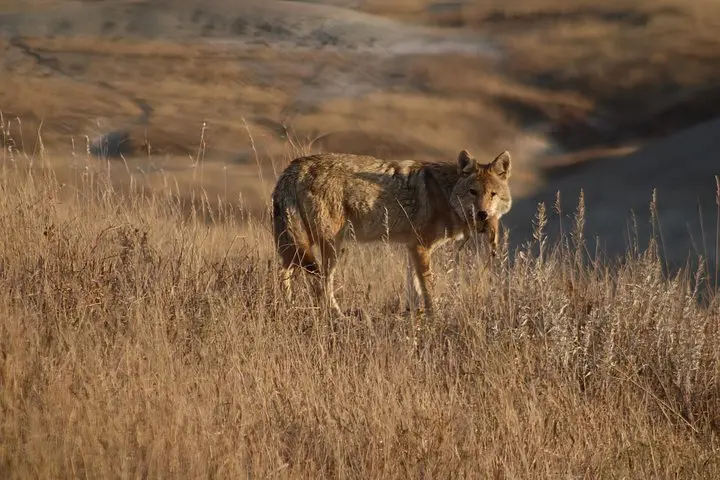
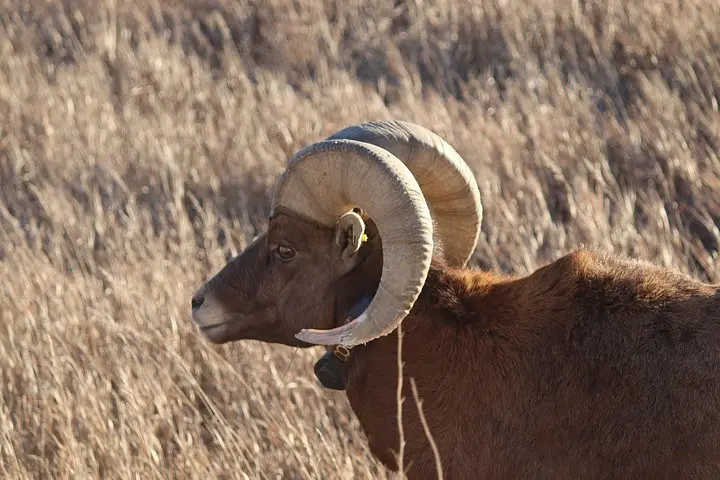
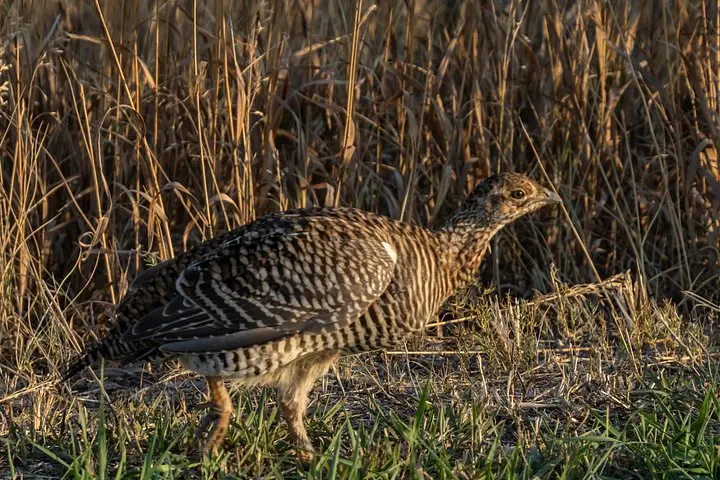
Expect bison, prairie dogs, and a variety of birds; sightings of swift fox or bighorn sheep are possible but not guaranteed.
Yes—families with curious kids are welcome; activities are educational and hands-on but adult supervision is recommended on rough terrain.
My XO Adventures operates guided outdoor trips and adventures with an emphasis on safety, stewardship, and memorable experiences.
Before the sun clears the horizon, the Badlands exhales — cool air pooling in gullies, prairie grass silvered with dew, and the silhouettes of buttes cutting the sky. On this sunrise expedition you move with purpose: the guide’s flashlight traces faint tracks, a recorder clicks as birds begin their day, and strata exposed by ancient seas shift color with the light.
Before the sun clears the horizon, the Badlands exhales — cool air pooling in gullies, prairie grass silvered with dew, and the silhouettes of buttes cutting the sky. On this sunrise expedition you move with purpose: the guide’s flashlight traces faint tracks, a recorder clicks as birds begin their day, and strata exposed by ancient seas shift color with the light.
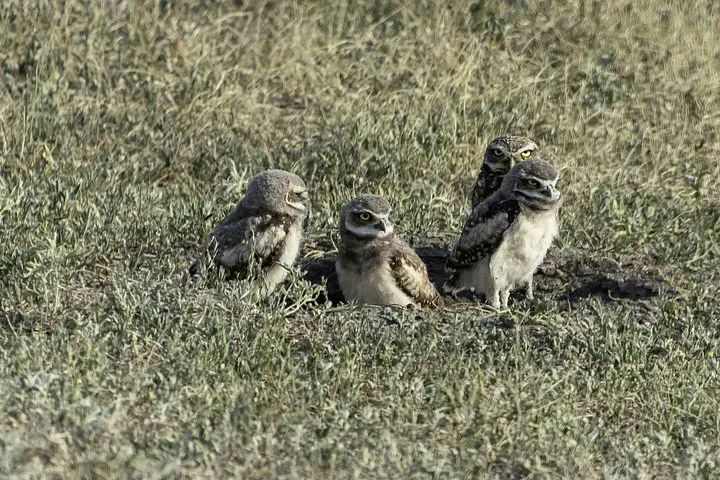
This is more than a scenic loop. The Badlands preserve sediments laid down 28–37 million years ago; layers of sandstone, siltstone and volcanic ash record worlds lost to time. Sage Creek Wilderness opens into mixed-grass prairie where bison and prairie dogs shape the soil, and where burrowing owls and swift foxes write daily scripts in tracks and scat. The guide—trained in ecology and geology—teaches you to read those signs, use basic field tools, and collect observations with the care scientists demand.
Culturally, this landscape sits on ancestral Lakota lands and later drew fossil hunters and paleontologists who uncovered the park’s fame. Expect hands-on geology: identifying strata, noting erosion patterns, and mapping animal sign; expect wildlife ethics—observe, don’t disturb.
Practical guidance: start before dawn, dress in layers for rapid temperature swings, and bring a headlamp with fresh batteries. Trails can be loose and uneven; wear sturdy shoes and pack at least 1–2 liters of water. Photography at sunrise rewards patience; telephoto and macro lenses capture both distant bison and tiny insect life. Weather can cancel tours—check forecasts and leave no trace: record locations, don’t collect fossils, and respect wildlife distance.