THE ADVENTURE COLLECTIVE® · Independent discovery and booking for outdoor travel

Walk Bagamoyo’s shoreline from centuries-old Kaole ruins to the compact Kaole Snake Park on a guided day tour that blends coastal history, cultural stops and manageable wildlife viewing. Ideal for travelers who want a short, historically rich excursion from Dar es Salaam.
Walk Bagamoyo’s shoreline from centuries-old Kaole ruins to the compact Kaole Snake Park on a guided day tour that blends coastal history, cultural stops and manageable wildlife viewing. Ideal for travelers who want a short, historically rich excursion from Dar es Salaam.
A morning light slides across the Indian Ocean and you step off the road into Bagamoyo’s low-slung streets — salt on the air, ochre buildings catching the sun. The town’s shoreline keeps a slow rhythm; the sea nudges mangrove roots while palms shade the narrow lanes that lead to old stone ruins and a compact snake park where local guides keep watch.
Verified experiences and guided adventures in the surrounding area.
Operated by Kusini tours · Bagamoyo, Pwani Region
A morning light slides across the Indian Ocean and you step off the road into Bagamoyo’s low-slung streets — salt on the air, ochre buildings catching the sun. The town’s shoreline keeps a slow rhythm; the sea nudges mangrove roots while palms shade the narrow lanes that lead to old stone ruins and a compact snake park where local guides keep watch.
Bagamoyo was a crucial trading port on Tanzania’s coast and an entry point in the complex history of East African trade and the slave caravan routes. Geologically the area is coastal plain: sandy soils, mangrove fringes, and nearshore coral remnants. Culturally the town mixes Swahili heritage, colonial-era ruins, and living artisan traditions — markets still trade in cloth, carvings and coastal spices.
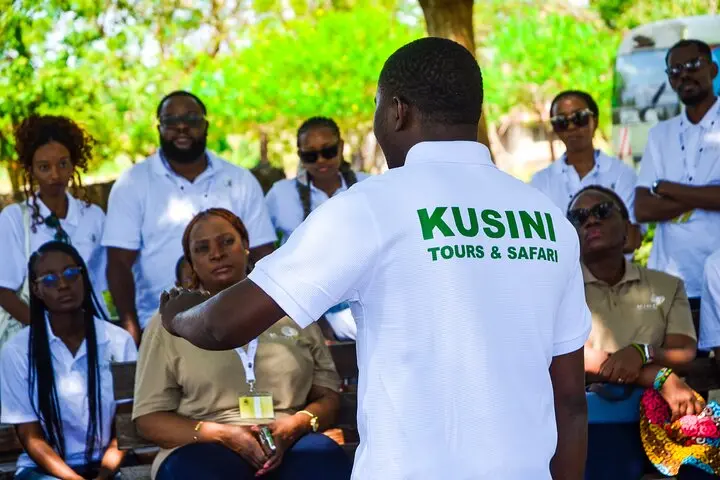
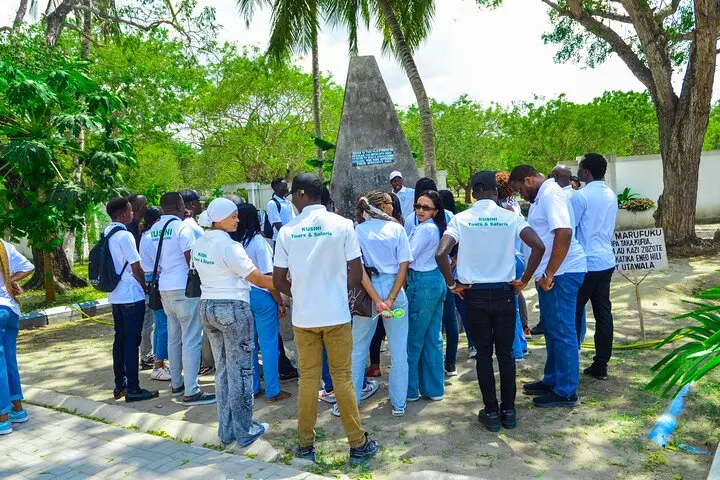
On a typical tour visitors walk archaeological sites such as Kaole — standing mosque ruins and centuries-old tombs — then move to the Kaole Snake Park to see local reptile species in managed exhibits. Guides explain history and point out native plants used in traditional medicine. The pace is relaxed; surfaces alternate between compacted sand and uneven stone, so steady footwear helps.
Practical note: expect 2–6 hours depending on stops, bring sun protection and cash for small purchases, and schedule visits in the cooler morning or late afternoon to avoid midday heat. Photography is often included by operators; respectful behavior at historical sites and when photographing people keeps the experience positive. This day tour pairs coastal scenery, tangible history and accessible wildlife viewing into a compact coastal excursion.
The tour typically runs between 2 and 8 hours depending on whether you include all historical sites and the snake park; operators list specific durations when booking.
Some elements of the tour are accessible and the operator notes wheelchair access, but cobbled ruins and sandy paths may limit full access—check ahead for route details.
Yes—photography is usually permitted and many operators offer a free photoshoot, but always ask before photographing people and follow guide instructions at cultural sites.
Guides commonly speak English and Swahili; confirm language needs with the operator when booking to ensure a guide in your preferred language.
Kusini tours operates guided outdoor trips and adventures with an emphasis on safety, stewardship, and memorable experiences.


A morning light slides across the Indian Ocean and you step off the road into Bagamoyo’s low-slung streets — salt on the air, ochre buildings catching the sun. The town’s shoreline keeps a slow rhythm; the sea nudges mangrove roots while palms shade the narrow lanes that lead to old stone ruins and a compact snake park where local guides keep watch.
A morning light slides across the Indian Ocean and you step off the road into Bagamoyo’s low-slung streets — salt on the air, ochre buildings catching the sun. The town’s shoreline keeps a slow rhythm; the sea nudges mangrove roots while palms shade the narrow lanes that lead to old stone ruins and a compact snake park where local guides keep watch.
Bagamoyo was a crucial trading port on Tanzania’s coast and an entry point in the complex history of East African trade and the slave caravan routes. Geologically the area is coastal plain: sandy soils, mangrove fringes, and nearshore coral remnants. Culturally the town mixes Swahili heritage, colonial-era ruins, and living artisan traditions — markets still trade in cloth, carvings and coastal spices.
On a typical tour visitors walk archaeological sites such as Kaole — standing mosque ruins and centuries-old tombs — then move to the Kaole Snake Park to see local reptile species in managed exhibits. Guides explain history and point out native plants used in traditional medicine. The pace is relaxed; surfaces alternate between compacted sand and uneven stone, so steady footwear helps.
Practical note: expect 2–6 hours depending on stops, bring sun protection and cash for small purchases, and schedule visits in the cooler morning or late afternoon to avoid midday heat. Photography is often included by operators; respectful behavior at historical sites and when photographing people keeps the experience positive. This day tour pairs coastal scenery, tangible history and accessible wildlife viewing into a compact coastal excursion.