THE ADVENTURE COLLECTIVE® · Independent discovery and booking for outdoor travel

Spend two days tracing Bagamoyo’s coastal history—from Kaole’s ancient tombs and 19th-century slave ruins to a crocodile farm and artisan markets—on a compact, well-supported weekend tour with transport and meals included.
Spend two days tracing Bagamoyo’s coastal history—from Kaole’s ancient tombs and 19th-century slave ruins to a crocodile farm and artisan markets—on a compact, well-supported weekend tour with transport and meals included.
On the shore where the Indian Ocean tugs at red-streaked sand, Bagamoyo feels like a place time keeps reopening its pages. Mango trees shade narrow lanes, coral-stone ruins hold the silhouettes of caravan traffic, and the tide keeps pressing the coastline forward.
Verified experiences and guided adventures in the surrounding area.
Operated by TPD TOURS INTERNATIONAL · Bagamoyo, Pwani
On the shore where the Indian Ocean tugs at red-streaked sand, Bagamoyo feels like a place time keeps reopening its pages. Mango trees shade narrow lanes, coral-stone ruins hold the silhouettes of caravan traffic, and the tide keeps pressing the coastline forward.
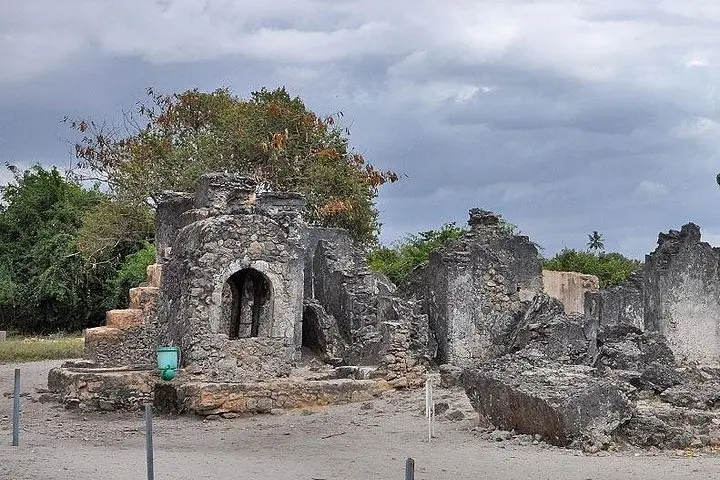
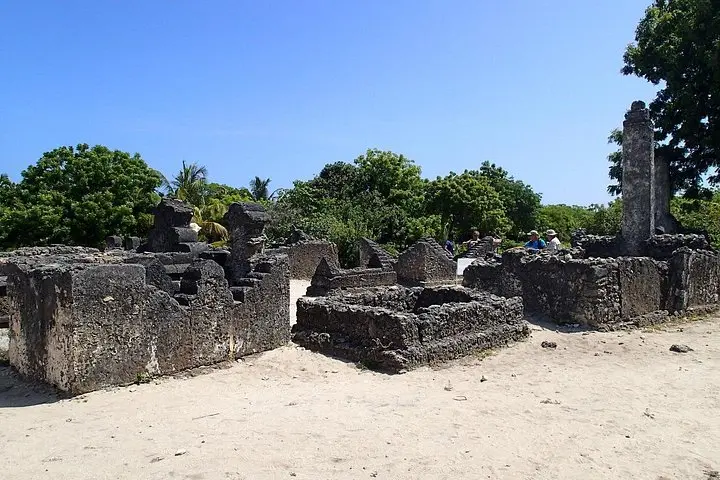
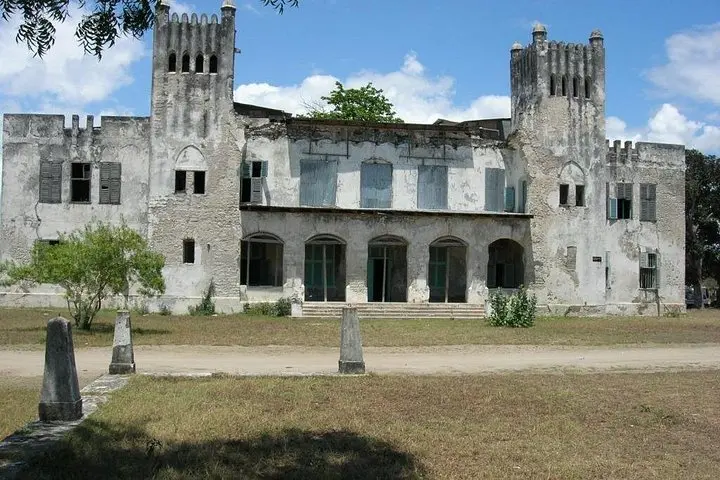
This two-day, one-night itinerary guides travelers through Bagamoyo’s layered history: Kaole’s medieval mosque and tombs, 19th-century slave-depot ruins, mission-era structures and echoes of German colonial architecture. The geology is low coastal plain—coral and Pleistocene sands—interrupted by mangroves and tidal creeks that push and recede like a living boundary. As a cultural crossroads, Bagamoyo was an end-point for inland caravan routes and a meeting place for Arab, African and European trade; its Swahili name — roughly “lay down your heart” — hints at the town’s difficult past.
Expect guided walking tours of historic sites, a visit to a local crocodile farm and small snake park, browsing at artisan markets, and an overnight at a nearby guesthouse with 24-hour support. Transport is in an air-conditioned vehicle; Dar es Salaam is about 66 km south (roughly 1.5–2 hours by road).
Practical guidance: dress modestly for cultural sites, wear sturdy shoes for uneven coral and sand, carry sun protection and insect repellent, and bring cash for market purchases. Rain between March and May can make tracks slick—plan timing accordingly. This short, accessible program balances close-up history with coastal wildlife encounters, making Bagamoyo’s past and present easy to read in a single, well-paced weekend.
Yes—the itinerary is rated easy and suitable for families; facilities such as infant seats are available and the pace is relaxed.
Yes—the tour includes breakfast, lunch, dinner, bottled water and transport in an air-conditioned vehicle as listed in the inclusions.
Bagamoyo is approximately 66 km north of Dar es Salaam, about 1.5–2 hours by road depending on traffic and route.
You will visit a crocodile farm and a small snake park; local mangroves and shoreline areas also host coastal birds and other wildlife sightings.
TPD TOURS INTERNATIONAL operates guided outdoor trips and adventures with an emphasis on safety, stewardship, and memorable experiences.

On the shore where the Indian Ocean tugs at red-streaked sand, Bagamoyo feels like a place time keeps reopening its pages. Mango trees shade narrow lanes, coral-stone ruins hold the silhouettes of caravan traffic, and the tide keeps pressing the coastline forward.
On the shore where the Indian Ocean tugs at red-streaked sand, Bagamoyo feels like a place time keeps reopening its pages. Mango trees shade narrow lanes, coral-stone ruins hold the silhouettes of caravan traffic, and the tide keeps pressing the coastline forward.
This two-day, one-night itinerary guides travelers through Bagamoyo’s layered history: Kaole’s medieval mosque and tombs, 19th-century slave-depot ruins, mission-era structures and echoes of German colonial architecture. The geology is low coastal plain—coral and Pleistocene sands—interrupted by mangroves and tidal creeks that push and recede like a living boundary. As a cultural crossroads, Bagamoyo was an end-point for inland caravan routes and a meeting place for Arab, African and European trade; its Swahili name — roughly “lay down your heart” — hints at the town’s difficult past.
Expect guided walking tours of historic sites, a visit to a local crocodile farm and small snake park, browsing at artisan markets, and an overnight at a nearby guesthouse with 24-hour support. Transport is in an air-conditioned vehicle; Dar es Salaam is about 66 km south (roughly 1.5–2 hours by road).
Practical guidance: dress modestly for cultural sites, wear sturdy shoes for uneven coral and sand, carry sun protection and insect repellent, and bring cash for market purchases. Rain between March and May can make tracks slick—plan timing accordingly. This short, accessible program balances close-up history with coastal wildlife encounters, making Bagamoyo’s past and present easy to read in a single, well-paced weekend.