THE ADVENTURE COLLECTIVE® · Independent discovery and booking for outdoor travel

Drive east from Yangon and spend a day among Mon Kingdom ruins, a 55‑meter reclining Buddha, and a solemn WWII cemetery. This full‑day trip combines temple visits, local craft workshops, and rural scenery with practical tips for a long but accessible outing.
Drive east from Yangon and spend a day among Mon Kingdom ruins, a 55‑meter reclining Buddha, and a solemn WWII cemetery. This full‑day trip combines temple visits, local craft workshops, and rural scenery with practical tips for a long but accessible outing.
The day opens on a highway ribbon east of Yangon, rice paddies flashing like green mirrors and teak logs stacked at the road’s edge. By mid-morning the guide eases the vehicle into Htauk-Kyant Allied War Cemetery, where trimmed lawns and rows of white stones impose quiet; the air feels cooler, the landscape holding memory.
Verified experiences and guided adventures in the surrounding area.
Operated by Adventure Myanmar Tours & Incentives · Bago, Bago Region
The day opens on a highway ribbon east of Yangon, rice paddies flashing like green mirrors and teak logs stacked at the road’s edge. By mid-morning the guide eases the vehicle into Htauk-Kyant Allied War Cemetery, where trimmed lawns and rows of white stones impose quiet; the air feels cooler, the landscape holding memory.
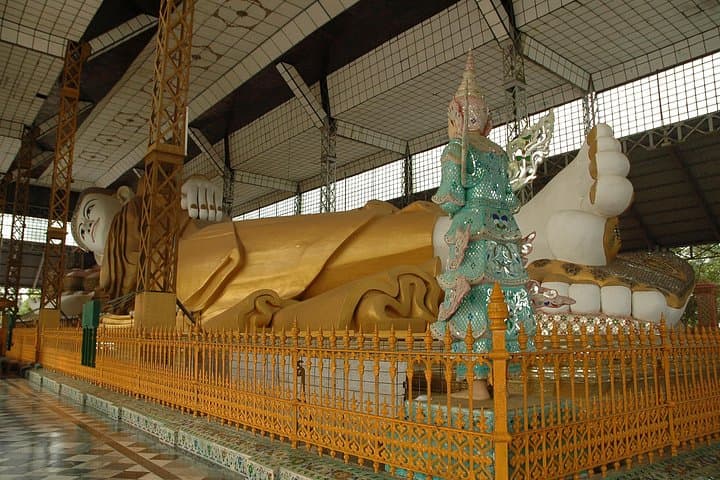
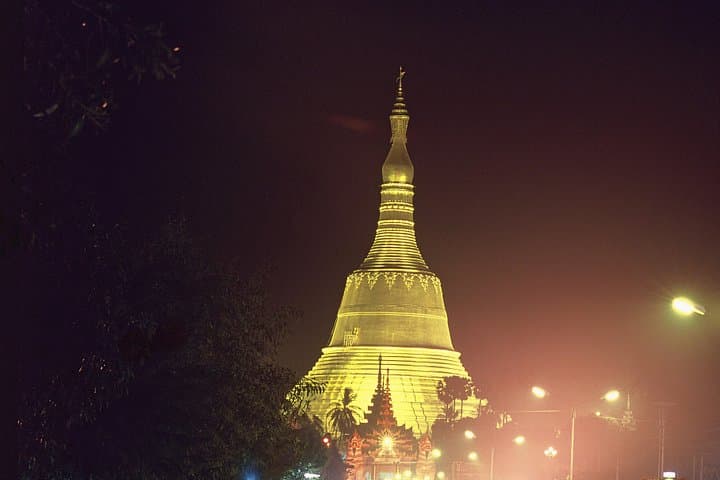
Bago was the heart of the Mon Kingdom from the first millennium through the 16th century. Its low plains are river-sculpted—silted fields that feed the region—and the city’s pagodas show layers of rebuilding from ancient brick to gilded stucco. Shwemawdaw Pagoda reaches skyward with centuries of votive plates and gilding, while the 55-meter Shwe Thar Lyaung reclining Buddha stretches across a long, shaded hall: monumental devotional scale juxtaposed with intimate monastic ritual.
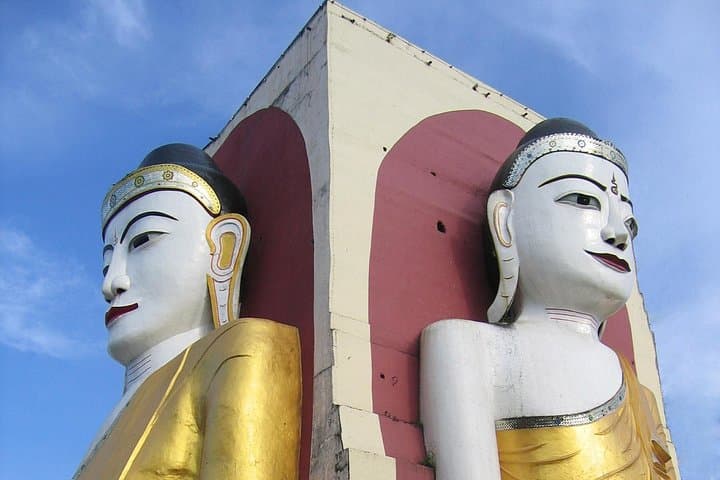
Visitors witness monastic life at Kya Khat Wai, where monks take their final meal before noon in practiced silence, an austere cultural rhythm that frames the day. The Kanbawzathardi Palace site and Kyaik-Pun Buddhas give a glimpse of 15th-century court life and local cosmology. Between stops, markets and small cheroot workshops reveal living craft traditions—threads, tobacco, and wood-handling that still drive local livelihoods.
Practical guidance: wear modest, quick-dry clothing and shoes that manage temple steps and dusty paths; bring cash for market purchases and small donations, and a hat and water for the tropical sun. Expect an 80 km drive each way from Yangon, an 11-hour day with multiple short walks and temple steps. The itinerary is low-impact physically but rich in steps, sensory detail, and cultural context—ideal for travelers who want history, living craft, and the rural Myanmar plains in one long, deliberate day.
The drive is about 80 km and typically takes 1.5–2 hours each way depending on traffic, so plan for an 11‑hour round trip including site visits.
This tour includes admission fees and a local lunch, as well as bottled water and private air‑conditioned transport.
Yes—most stops involve gentle walking and steps; however, the day is long and not recommended for people with serious back problems or limited mobility.
Photography is generally allowed at outdoor sites but restricted inside certain shrines and during monastic meals—follow signs and your guide’s instructions.
Adventure Myanmar Tours & Incentives operates guided outdoor trips and adventures with an emphasis on safety, stewardship, and memorable experiences.
The day opens on a highway ribbon east of Yangon, rice paddies flashing like green mirrors and teak logs stacked at the road’s edge. By mid-morning the guide eases the vehicle into Htauk-Kyant Allied War Cemetery, where trimmed lawns and rows of white stones impose quiet; the air feels cooler, the landscape holding memory.
The day opens on a highway ribbon east of Yangon, rice paddies flashing like green mirrors and teak logs stacked at the road’s edge. By mid-morning the guide eases the vehicle into Htauk-Kyant Allied War Cemetery, where trimmed lawns and rows of white stones impose quiet; the air feels cooler, the landscape holding memory.
Bago was the heart of the Mon Kingdom from the first millennium through the 16th century. Its low plains are river-sculpted—silted fields that feed the region—and the city’s pagodas show layers of rebuilding from ancient brick to gilded stucco. Shwemawdaw Pagoda reaches skyward with centuries of votive plates and gilding, while the 55-meter Shwe Thar Lyaung reclining Buddha stretches across a long, shaded hall: monumental devotional scale juxtaposed with intimate monastic ritual.
Visitors witness monastic life at Kya Khat Wai, where monks take their final meal before noon in practiced silence, an austere cultural rhythm that frames the day. The Kanbawzathardi Palace site and Kyaik-Pun Buddhas give a glimpse of 15th-century court life and local cosmology. Between stops, markets and small cheroot workshops reveal living craft traditions—threads, tobacco, and wood-handling that still drive local livelihoods.
Practical guidance: wear modest, quick-dry clothing and shoes that manage temple steps and dusty paths; bring cash for market purchases and small donations, and a hat and water for the tropical sun. Expect an 80 km drive each way from Yangon, an 11-hour day with multiple short walks and temple steps. The itinerary is low-impact physically but rich in steps, sensory detail, and cultural context—ideal for travelers who want history, living craft, and the rural Myanmar plains in one long, deliberate day.