THE ADVENTURE COLLECTIVE® · Independent discovery and booking for outdoor travel

Drive west from Cairo to Bahariya Oasis and spend a night under the stars between the iron-black ridges and chalk-white formations of Egypt’s deserts. This 2-day trip combines 4x4 desert drives, guided walks, and simple camp comforts with dramatic geology.
Drive west from Cairo to Bahariya Oasis and spend a night under the stars between the iron-black ridges and chalk-white formations of Egypt’s deserts. This 2-day trip combines 4x4 desert drives, guided walks, and simple camp comforts with dramatic geology.
A thin ribbon of road peels away from Cairo at dawn and, after roughly four hours and 340 km, the asphalt gives up to sand. You arrive in Bahariya (Bawiti) just as the oasis yawns open: palm-lined streets, steam rising from mineral springs, and the black basalt ridges framing the town like a rugged collar. The jeep engines hum; the desert ahead seems to breathe, pushing you across salt flats toward the chalky, wind-carved sculptures of the White Desert.
Verified experiences and guided adventures in the surrounding area.
Operated by Egypt Mo Tours · Bawiti (Bahariya), Giza Governorate
A thin ribbon of road peels away from Cairo at dawn and, after roughly four hours and 340 km, the asphalt gives up to sand. You arrive in Bahariya (Bawiti) just as the oasis yawns open: palm-lined streets, steam rising from mineral springs, and the black basalt ridges framing the town like a rugged collar. The jeep engines hum; the desert ahead seems to breathe, pushing you across salt flats toward the chalky, wind-carved sculptures of the White Desert.
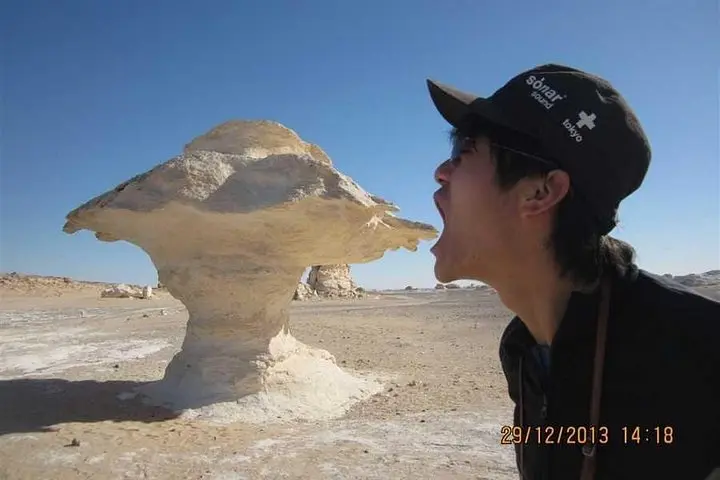
The landscape here is geologic theater. The Black Desert’s iron-rich ferruginous quartzite and dolerite create dark, cratered hills while the White Desert’s soft chalk has been sculpted into mushrooms, faces and spires by persistent sandstorms. The oasis itself is known for dozens of thermal and sulfur springs—locals have used them for centuries for their reputed healing properties—and the area bears traces of human use from Pharaonic and Roman times to modern Bedouin routes.
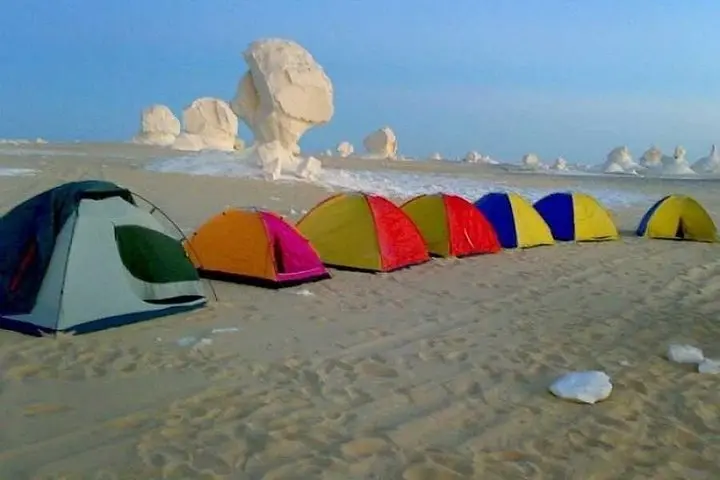
Expect a mix of on-road transfer and 4x4 off-road driving across up to roughly 160 km of variable desert track. Camping is simple but comfortable: dome tents with mattresses and pillows, group meals prepared by camp staff, and a sky that refuses to be polite about its stars. Nights drop sharply—the desert cools quickly—so layers and a warm sleeping bag matter more than glamour.
Practical tips: time your travel to avoid midday heat in summer, hydrate constantly, and bring cash for small purchases in Bawiti. Respect the chalk formations—no climbing on fragile sculptures—and stick with your guide on all off-road sections to protect both safety and the landscape.
Yes—pickup and drop-off from Cairo are included; exact pickup point and timing are confirmed at booking and depend on traffic.
Overnight accommodation is in dome tents with mattresses and pillows on a full-board basis; single or shared tents available per operator terms.
Three meals are included; vegetarians and other dietary requests should be communicated at booking so camp staff can prepare alternatives.
Children can join but must be accompanied by an adult; infants may need to sit on laps during transfers—check age restrictions and child-rate policies.
Egypt Mo Tours operates guided outdoor trips and adventures with an emphasis on safety, stewardship, and memorable experiences.
A thin ribbon of road peels away from Cairo at dawn and, after roughly four hours and 340 km, the asphalt gives up to sand. You arrive in Bahariya (Bawiti) just as the oasis yawns open: palm-lined streets, steam rising from mineral springs, and the black basalt ridges framing the town like a rugged collar. The jeep engines hum; the desert ahead seems to breathe, pushing you across salt flats toward the chalky, wind-carved sculptures of the White Desert.
A thin ribbon of road peels away from Cairo at dawn and, after roughly four hours and 340 km, the asphalt gives up to sand. You arrive in Bahariya (Bawiti) just as the oasis yawns open: palm-lined streets, steam rising from mineral springs, and the black basalt ridges framing the town like a rugged collar. The jeep engines hum; the desert ahead seems to breathe, pushing you across salt flats toward the chalky, wind-carved sculptures of the White Desert.
The landscape here is geologic theater. The Black Desert’s iron-rich ferruginous quartzite and dolerite create dark, cratered hills while the White Desert’s soft chalk has been sculpted into mushrooms, faces and spires by persistent sandstorms. The oasis itself is known for dozens of thermal and sulfur springs—locals have used them for centuries for their reputed healing properties—and the area bears traces of human use from Pharaonic and Roman times to modern Bedouin routes.
Expect a mix of on-road transfer and 4x4 off-road driving across up to roughly 160 km of variable desert track. Camping is simple but comfortable: dome tents with mattresses and pillows, group meals prepared by camp staff, and a sky that refuses to be polite about its stars. Nights drop sharply—the desert cools quickly—so layers and a warm sleeping bag matter more than glamour.
Practical tips: time your travel to avoid midday heat in summer, hydrate constantly, and bring cash for small purchases in Bawiti. Respect the chalk formations—no climbing on fragile sculptures—and stick with your guide on all off-road sections to protect both safety and the landscape.