THE ADVENTURE COLLECTIVE® · Independent discovery and booking for outdoor travel

A remote day-trip into Jaragua National Park brings you to Bahía de las Águilas, an 8 km stretch of near-pristine beach reached by a short boat ride from Las Cuevas. Expect crystal-clear water, simple local lunch, and a day focused on sand, snorkel, and seascape rather than facilities.
A remote day-trip into Jaragua National Park brings you to Bahía de las Águilas, an 8 km stretch of near-pristine beach reached by a short boat ride from Las Cuevas. Expect crystal-clear water, simple local lunch, and a day focused on sand, snorkel, and seascape rather than facilities.
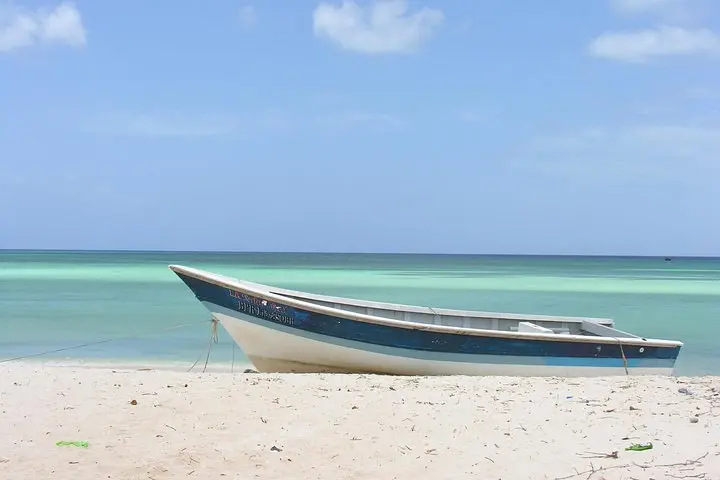
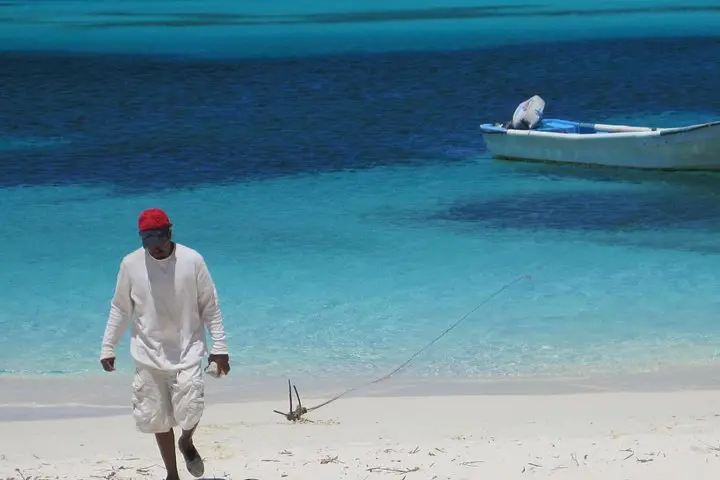
Sand bright as bone stretches under a high Caribbean sun and the sea dares you to wade into a gradient of turquoise that slides into deep indigo. On a day trip to Bahía de las Águilas visitors arrive by boat from Las Cuevas after a drive past the low hills and fishing piers of Cabo Rojo, stepping onto a long crescent of nearly untouched coast inside Jaragua National Park.
Verified experiences and guided adventures in the surrounding area.
Operated by Ecotour Barahona · Pedernales, Pedernales
Sand bright as bone stretches under a high Caribbean sun and the sea dares you to wade into a gradient of turquoise that slides into deep indigo. On a day trip to Bahía de las Águilas visitors arrive by boat from Las Cuevas after a drive past the low hills and fishing piers of Cabo Rojo, stepping onto a long crescent of nearly untouched coast inside Jaragua National Park.
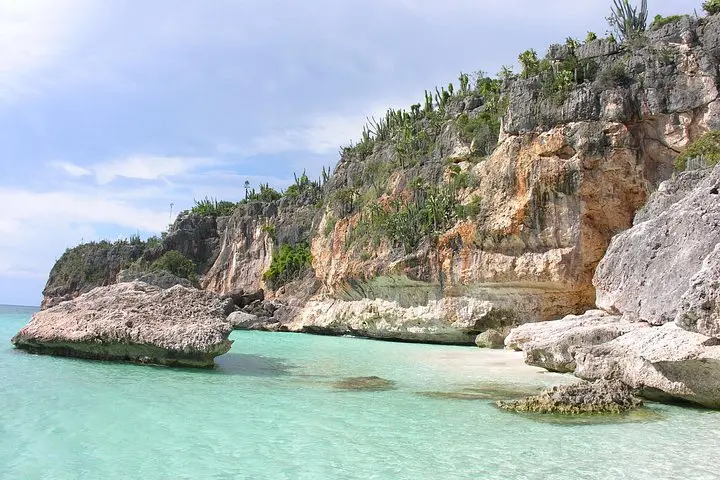
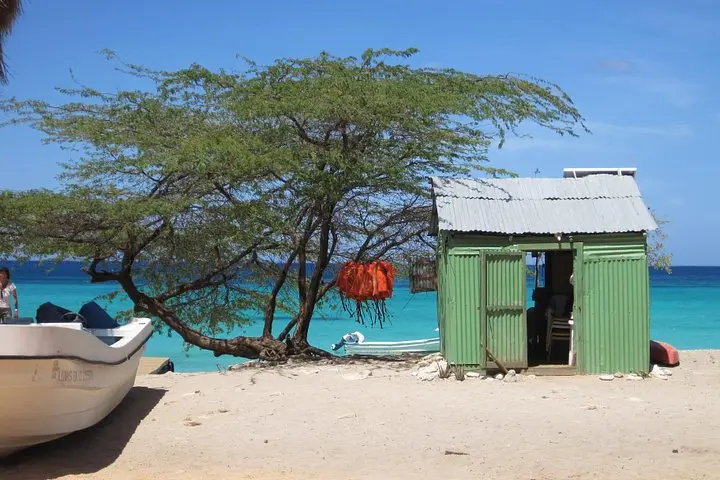
The bay sits on Hispaniola’s southwest flank and forms part of one of the largest protected dry-forest and coastal reserves in the Caribbean. Geologically the shoreline is the product of uplifted limestone platforms and wind-polished sand, which explains the bay’s expansive, even beach and clear shelf that makes snorkeling effortless. Locally, small fishing communities still run traditional boats and serve lunch—expect simple, fresh plates that reflect coastal Dominican flavors.
Practically, this is a full-day outing: an eight-hour window that blends road transfer, a 15-minute boat hop, time on the sand, and a return with included lunch and bottled water. There are few facilities on the beach, so the experience is about raw coastline, wildlife sightings, and unbroken horizon views rather than amenities. Bring reef-safe sunscreen, a good mask, and sun protection, and plan for an early departure to avoid heat and maximize light for snorkeling. Respect park rules: no litter, no removed shells, and minimal disturbance to nesting or resting wildlife. For travelers seeking a low-effort but high-impact coastal day, Bahía de las Águilas delivers wide, quiet beach and crystalline water that feel genuinely wild.
Most visitors travel by road to Las Cuevas or Cabo Rojo and take a short 10–20 minute boat ride to the bay; many tours include transfers from Pedernales or larger resorts.
Facilities are minimal—expect no shops or formal restrooms; the tour typically includes lunch and bottled water, so bring additional supplies as needed.
Yes—clear water and shallow limestone shelves make for easy snorkeling; bring your own mask for the best experience.
Generally yes, but sea conditions vary with season and weather—follow guides’ advice about currents and safety on the day.
Ecotour Barahona operates guided outdoor trips and adventures with an emphasis on safety, stewardship, and memorable experiences.
Sand bright as bone stretches under a high Caribbean sun and the sea dares you to wade into a gradient of turquoise that slides into deep indigo. On a day trip to Bahía de las Águilas visitors arrive by boat from Las Cuevas after a drive past the low hills and fishing piers of Cabo Rojo, stepping onto a long crescent of nearly untouched coast inside Jaragua National Park.
Sand bright as bone stretches under a high Caribbean sun and the sea dares you to wade into a gradient of turquoise that slides into deep indigo. On a day trip to Bahía de las Águilas visitors arrive by boat from Las Cuevas after a drive past the low hills and fishing piers of Cabo Rojo, stepping onto a long crescent of nearly untouched coast inside Jaragua National Park.
The bay sits on Hispaniola’s southwest flank and forms part of one of the largest protected dry-forest and coastal reserves in the Caribbean. Geologically the shoreline is the product of uplifted limestone platforms and wind-polished sand, which explains the bay’s expansive, even beach and clear shelf that makes snorkeling effortless. Locally, small fishing communities still run traditional boats and serve lunch—expect simple, fresh plates that reflect coastal Dominican flavors.
Practically, this is a full-day outing: an eight-hour window that blends road transfer, a 15-minute boat hop, time on the sand, and a return with included lunch and bottled water. There are few facilities on the beach, so the experience is about raw coastline, wildlife sightings, and unbroken horizon views rather than amenities. Bring reef-safe sunscreen, a good mask, and sun protection, and plan for an early departure to avoid heat and maximize light for snorkeling. Respect park rules: no litter, no removed shells, and minimal disturbance to nesting or resting wildlife. For travelers seeking a low-effort but high-impact coastal day, Bahía de las Águilas delivers wide, quiet beach and crystalline water that feel genuinely wild.