THE ADVENTURE COLLECTIVE® · Independent discovery and booking for outdoor travel

A compact full-day route from Hanoi that pairs Southeast Asia’s largest pagoda, UNESCO-protected waterways and a panoramic ridge climb. Expect calm boat rides, cultural stops and a rewarding stair ascent with sweeping valley views.
A compact full-day route from Hanoi that pairs Southeast Asia’s largest pagoda, UNESCO-protected waterways and a panoramic ridge climb. Expect calm boat rides, cultural stops and a rewarding stair ascent with sweeping valley views.
Morning light slices across the karsts as the limousine bus drops travelers into a landscape that feels older than the city they left. Rivers braid between steep limestone towers; boats thread through shadowed cave mouths while a pagoda complex crowns a low ridge, its bells and bronze statues catching sun.
Verified experiences and guided adventures in the surrounding area.
Operated by Vietnam Cultural Tours · Ninh Binh, Ninh Binh Province
Morning light slices across the karsts as the limousine bus drops travelers into a landscape that feels older than the city they left. Rivers braid between steep limestone towers; boats thread through shadowed cave mouths while a pagoda complex crowns a low ridge, its bells and bronze statues catching sun.
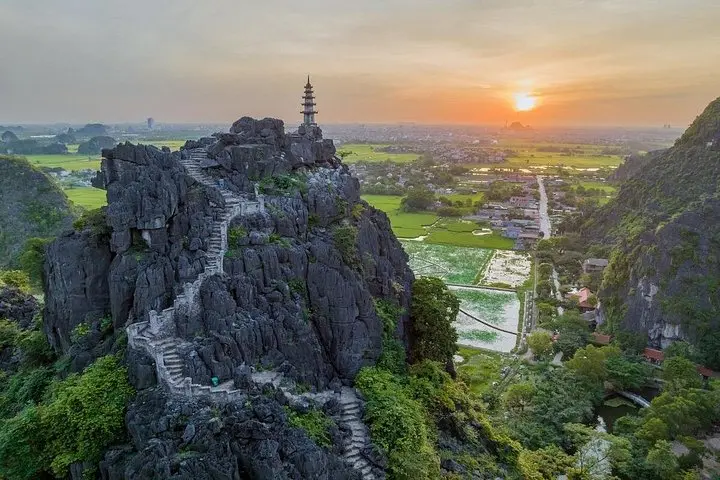
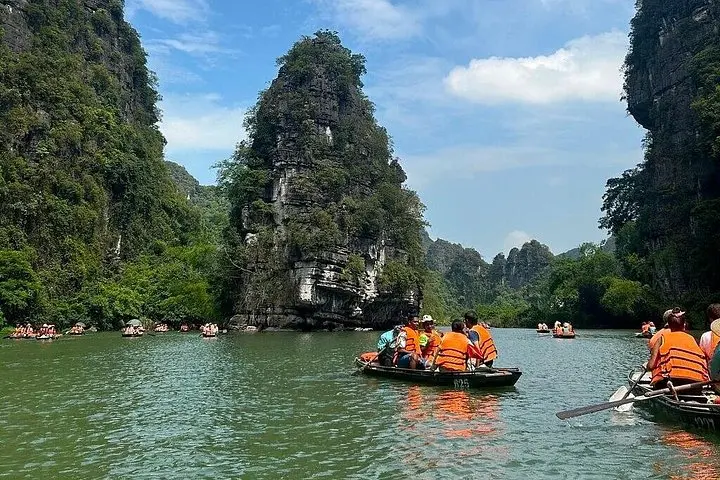
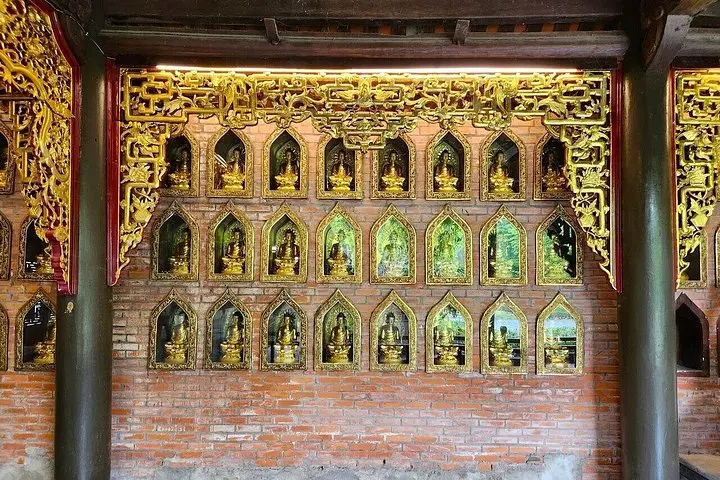
The itinerary stitches three distinct chapters of Ninh Binh. Bai Dinh is a recent but monumental expression of Vietnamese Buddhism — vast courtyards, thousands of stone arhats and one of Southeast Asia’s largest bronze Buddhas set amid manicured grounds. The karst maze at Trang An is geological theater: fluted towers of Ordovician limestone carved by water over millions of years, now a UNESCO-protected cultural-landscape where small sampans slide through tunneled caves. Mua Cave’s stair climb (roughly 500 steps) ends on Lying Dragon Mountain, where a ridgeline view opens over rice paddies and green waterways.
Expect a mix of gentle paddling, cultural stopovers and a short but steep hike. The boat sections are calm water; Trang An’s rowed boats are led by local oarspeople and pass close to cave mouths and cliff bases. The Mua viewpoint rewards steady breathing more than technical skill.
Practical guidance: leave Hanoi early (pickup in Old Quarter), bring sun protection, refillable water and sturdy shoes for uneven steps. Dress respectfully for pagoda visits (shoulders and knees covered). Timing matters — mid-morning or late afternoon light is best for photos and avoids the peak heat. Be prepared for crowds at Bai Dinh and carry small change for local vendors. Respect boat operators’ instructions and avoid single-use plastic to keep these fragile waterways clean.
Pickup and drop-off are in Hanoi’s Old Quarter; exact hotel pickup is confirmed at booking and handled by the operator.
No — boats are rowed on calm waterways; passengers remain seated while the oarsperson navigates through cave tunnels and channels.
The climb is steep and involves about 500 steps; it’s strenuous for those with limited mobility but manageable for anyone used to stair climbs with short breaks.
No — modest dress is requested in the pagoda; cover shoulders and knees. Lightweight wraps or sarongs work well in hot weather.
Vietnam Cultural Tours operates guided outdoor trips and adventures with an emphasis on safety, stewardship, and memorable experiences.
Morning light slices across the karsts as the limousine bus drops travelers into a landscape that feels older than the city they left. Rivers braid between steep limestone towers; boats thread through shadowed cave mouths while a pagoda complex crowns a low ridge, its bells and bronze statues catching sun.
Morning light slices across the karsts as the limousine bus drops travelers into a landscape that feels older than the city they left. Rivers braid between steep limestone towers; boats thread through shadowed cave mouths while a pagoda complex crowns a low ridge, its bells and bronze statues catching sun.
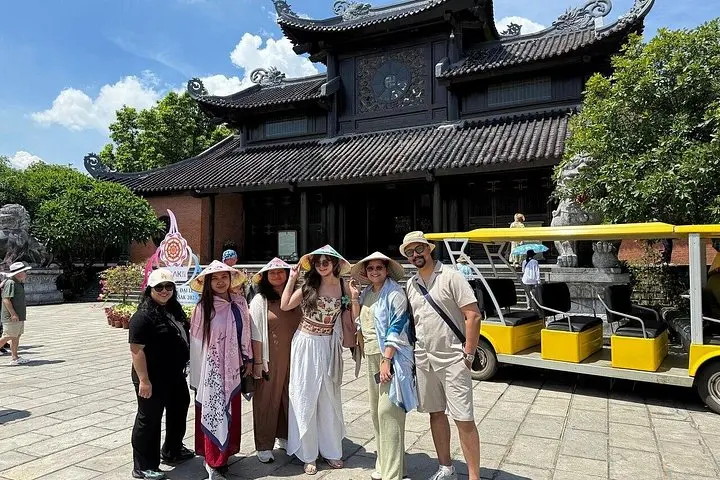
The itinerary stitches three distinct chapters of Ninh Binh. Bai Dinh is a recent but monumental expression of Vietnamese Buddhism — vast courtyards, thousands of stone arhats and one of Southeast Asia’s largest bronze Buddhas set amid manicured grounds. The karst maze at Trang An is geological theater: fluted towers of Ordovician limestone carved by water over millions of years, now a UNESCO-protected cultural-landscape where small sampans slide through tunneled caves. Mua Cave’s stair climb (roughly 500 steps) ends on Lying Dragon Mountain, where a ridgeline view opens over rice paddies and green waterways.
Expect a mix of gentle paddling, cultural stopovers and a short but steep hike. The boat sections are calm water; Trang An’s rowed boats are led by local oarspeople and pass close to cave mouths and cliff bases. The Mua viewpoint rewards steady breathing more than technical skill.
Practical guidance: leave Hanoi early (pickup in Old Quarter), bring sun protection, refillable water and sturdy shoes for uneven steps. Dress respectfully for pagoda visits (shoulders and knees covered). Timing matters — mid-morning or late afternoon light is best for photos and avoids the peak heat. Be prepared for crowds at Bai Dinh and carry small change for local vendors. Respect boat operators’ instructions and avoid single-use plastic to keep these fragile waterways clean.