THE ADVENTURE COLLECTIVE® · Independent discovery and booking for outdoor travel

Learn Balinese cooking from market to kitchen in Bakas Village: a full-day, hands-on experience that combines a traditional market visit, rice-paddy walk, and Melangit swing photo stop. Expect local ingredients, step-by-step recipes, and practical cultural context.
Learn Balinese cooking from market to kitchen in Bakas Village: a full-day, hands-on experience that combines a traditional market visit, rice-paddy walk, and Melangit swing photo stop. Expect local ingredients, step-by-step recipes, and practical cultural context.
You arrive before the heat builds, walking through low, irrigated rice paddies where the river dares you to follow its channel and the air smells of wet earth and turmeric. Bakas Village opens not as a museum but as a working agrarian landscape: farmers moving between plots, a market warming into life, and a cluster of family kitchens ready to share techniques passed down through generations.
Verified experiences and guided adventures in the surrounding area.
Operated by KIU TOUR & TRAVEL · Semarapura (Klungkung), Bali
You arrive before the heat builds, walking through low, irrigated rice paddies where the river dares you to follow its channel and the air smells of wet earth and turmeric. Bakas Village opens not as a museum but as a working agrarian landscape: farmers moving between plots, a market warming into life, and a cluster of family kitchens ready to share techniques passed down through generations.
Balinese cuisine reflects Hindu-Balinese ritual and island trade routes — coconut, palm sugar, galangal and kaffir lime appear regularly, and cooking here is as much about offerings and community as it is about flavor. The geology of east Bali is visible in low volcanic soils and terraced fields that hold water like small mirrors. Cultural insight comes from the market visit: bargaining, selecting fresh produce, and watching spice traders who still measure by eye.
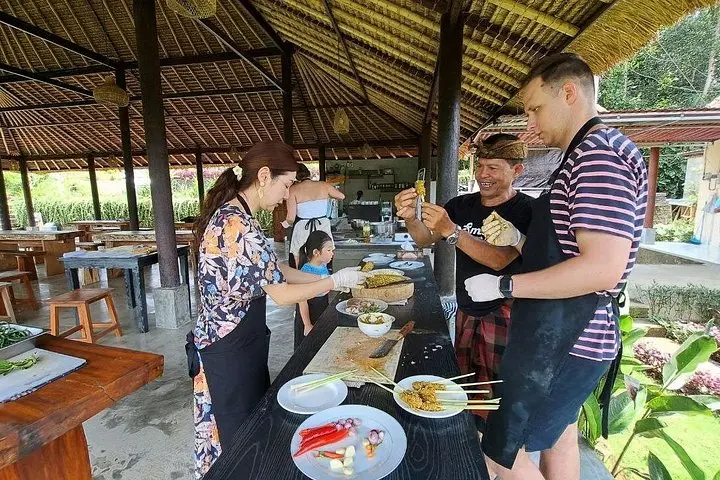
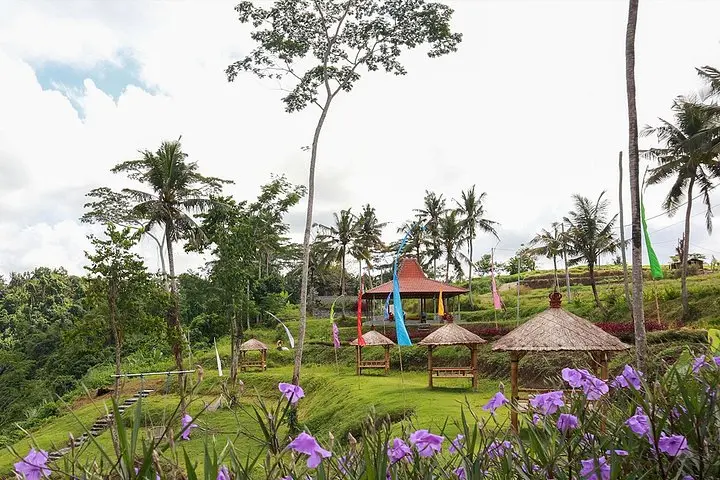
The class moves from market to field to kitchen. Expect a guided rice-paddy walk, hands-on prep of sambal, sate lilit and lawar, and a sit-down lunch with recipes taught step-by-step. A short Melangit swing stop adds a final, photo-ready view of fields and river valleys.
Practical guidance: wear closed-toe shoes that can handle mud, bring sun protection and a refillable bottle, and allow roughly six hours for pickup, market visits, cooking and return. Food safety and local customs are observed — if you have allergies or dietary needs, state them when booking. Arrive hungry and curious; leave with recipes, new skills, and a clearer sense of Bali’s foodways.
The full experience runs about six hours, covering market visits, a rice-paddy walk, the hands-on cooking session and a shared lunch.
Many bookings include private transport; confirm pickup and drop-off details when reserving to know the exact arrangement.
Yes — most operators ask for dietary needs at booking; they can often adapt dishes for vegetarians or common allergies if informed in advance.
Yes — instructors typically provide printed recipes or step-by-step guidance so you can recreate dishes after returning home.
KIU TOUR & TRAVEL operates guided outdoor trips and adventures with an emphasis on safety, stewardship, and memorable experiences.
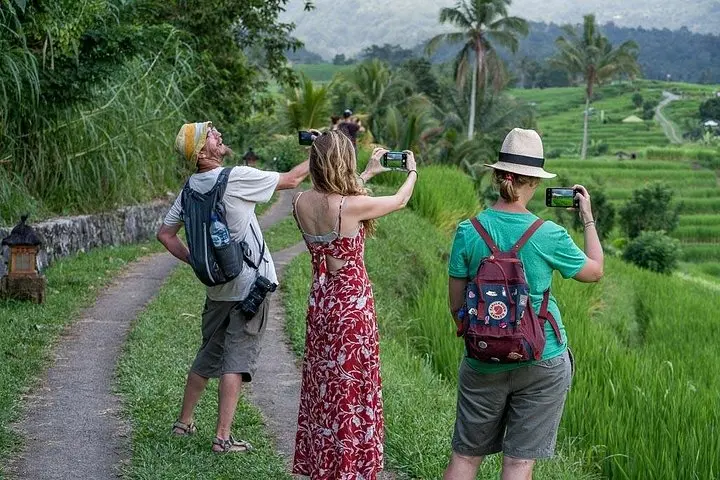
You arrive before the heat builds, walking through low, irrigated rice paddies where the river dares you to follow its channel and the air smells of wet earth and turmeric. Bakas Village opens not as a museum but as a working agrarian landscape: farmers moving between plots, a market warming into life, and a cluster of family kitchens ready to share techniques passed down through generations.
You arrive before the heat builds, walking through low, irrigated rice paddies where the river dares you to follow its channel and the air smells of wet earth and turmeric. Bakas Village opens not as a museum but as a working agrarian landscape: farmers moving between plots, a market warming into life, and a cluster of family kitchens ready to share techniques passed down through generations.
Balinese cuisine reflects Hindu-Balinese ritual and island trade routes — coconut, palm sugar, galangal and kaffir lime appear regularly, and cooking here is as much about offerings and community as it is about flavor. The geology of east Bali is visible in low volcanic soils and terraced fields that hold water like small mirrors. Cultural insight comes from the market visit: bargaining, selecting fresh produce, and watching spice traders who still measure by eye.
The class moves from market to field to kitchen. Expect a guided rice-paddy walk, hands-on prep of sambal, sate lilit and lawar, and a sit-down lunch with recipes taught step-by-step. A short Melangit swing stop adds a final, photo-ready view of fields and river valleys.
Practical guidance: wear closed-toe shoes that can handle mud, bring sun protection and a refillable bottle, and allow roughly six hours for pickup, market visits, cooking and return. Food safety and local customs are observed — if you have allergies or dietary needs, state them when booking. Arrive hungry and curious; leave with recipes, new skills, and a clearer sense of Bali’s foodways.