THE ADVENTURE COLLECTIVE® · Independent discovery and booking for outdoor travel

A compact slice of Borneo wilderness a short drive from Kuching: Bako National Park packs seven rainforest types, dramatic coastal geology, and consistently excellent wildlife viewing into a single day trip. Here’s how to plan for trails, tides, and close-up encounters.
A compact slice of Borneo wilderness a short drive from Kuching: Bako National Park packs seven rainforest types, dramatic coastal geology, and consistently excellent wildlife viewing into a single day trip. Here’s how to plan for trails, tides, and close-up encounters.
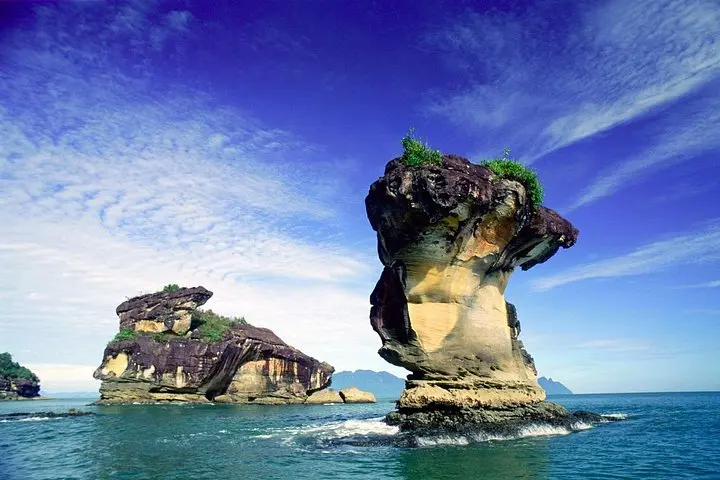
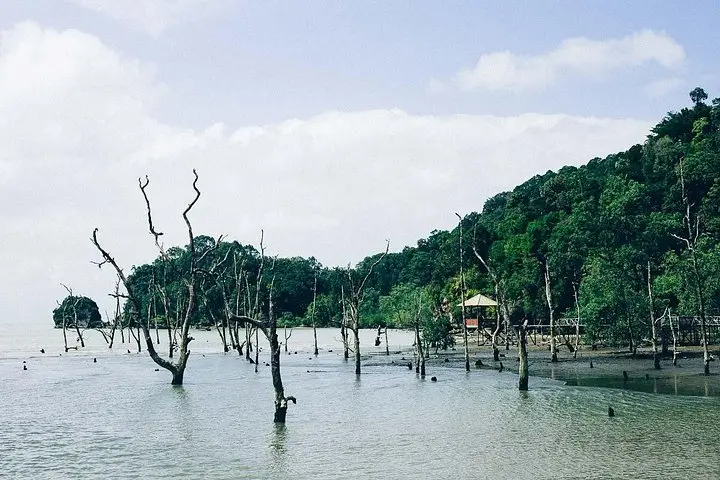
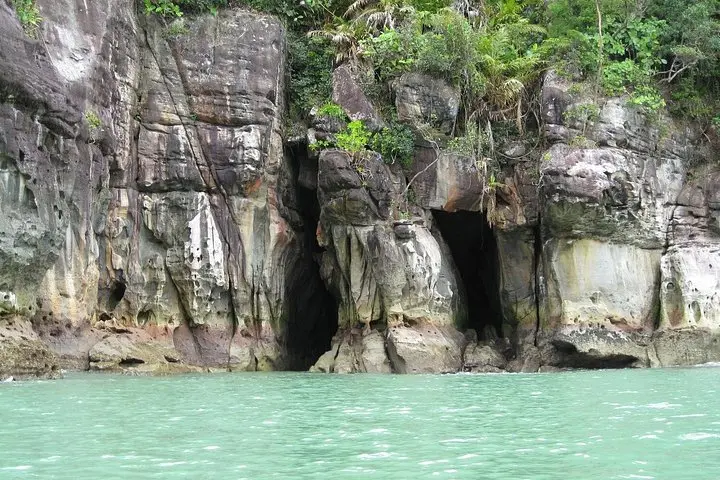
You step off the speedboat and the forest answers: a wall of humid air, the rustle of unseen wings, and the sharp tang of mangrove roots pressed into tidal mud. Bako’s shoreline unfolds in abrupt chapters—jagged cliffs sliced by waves, narrow beaches tucked under cliffs, and trails that climb into seven distinct rainforest types that feel like different worlds stitched together.
Verified experiences and guided adventures in the surrounding area.
Operated by Magunatip Holidays Sdn Bhd · Kuching, Sarawak
You step off the speedboat and the forest answers: a wall of humid air, the rustle of unseen wings, and the sharp tang of mangrove roots pressed into tidal mud. Bako’s shoreline unfolds in abrupt chapters—jagged cliffs sliced by waves, narrow beaches tucked under cliffs, and trails that climb into seven distinct rainforest types that feel like different worlds stitched together.
Located roughly 1.5 hours by road from Kuching and a short boat ride from the park jetty, Bako is compact but intense. Its geology tells the story: sandstone cliffs and ancient sediments have eroded into sea stacks and dramatic coves, while peat swamps and mixed dipterocarp forest hold water and heat in a way that breeds unusual plant and animal life. Historically these peninsulas were little-visited by outsiders until the late 20th century; today the park is a flagship for Sarawak’s efforts to protect Borneo’s coastal forests.
On the trail you’ll hear the forest before you see it — bearded pigs foraging, the nasal chuckle of a proboscis monkey, and hornbills lumbering overhead. Guides recommend dawn and dusk for wildlife; smaller groups and slow movement increase your chances of close encounters. Culturally, the area remains linked to nearby fishing villages; local guides bring a practical knowledge of tides and trail shortcuts that make the difference between a missed beach and a secluded cove.
The day tour is pragmatic: hotel pickup in an air-conditioned minivan, a boat ride to the park, guided walks on well-marked paths, and lunch provided. Trails vary from short, muddy loops to steeper climbs with up to ~150–200 meters of elevation gain; expect uneven roots, slick steps after rain, and some scrambling on rocky sections. Tides affect which beaches are accessible, and the King Tide or monsoon season can alter timings — operators may shift departure to earlier in the morning when the sea is calm.
Practical planning: bring full-cover trekking shoes, a rain layer, insect repellent, sun protection, and at least 2 liters of water. Stay quiet on trails, keep a respectful distance from wildlife, and follow your guide’s instructions — Bako’s ecosystems are fragile and the park limits large, unsupervised groups. If you have back problems, heart issues, or are pregnant, skip the more rugged trails; the operator notes this tour is best for those without serious medical limits.
At the end of the day you return to Kuching with sand in your shoes and photos of cliffs and primates. It’s a short trip on the map, but Bako has a way of making a single day feel like a full immersion into Borneo’s coastal wilds.
The boat ride from the park jetty to the entrance typically takes 10–25 minutes depending on the launch point and sea conditions.
This tour includes park admission as well as transport, guide services, lunch, and bottled water—confirm at booking if anything has changed.
Yes—proboscis monkeys are a park highlight. Dawn and dusk provide the highest chance of sightings, especially along riverine and mangrove trails.
The tour is marked as suitable for most fitness levels, but families should consider young children’s tolerance for heat, boat transfers, and uneven trails.
Tides affect some beach trails; guides plan routes around tide tables and may adjust the itinerary—follow their advice to avoid getting stranded on a beach.
Basic toilet facilities are available near the park headquarters, but expect limited amenities on remote trails; carry hand sanitizer and small change for any park fees.
Magunatip Holidays Sdn Bhd operates guided outdoor trips and adventures with an emphasis on safety, stewardship, and memorable experiences.

You step off the speedboat and the forest answers: a wall of humid air, the rustle of unseen wings, and the sharp tang of mangrove roots pressed into tidal mud. Bako’s shoreline unfolds in abrupt chapters—jagged cliffs sliced by waves, narrow beaches tucked under cliffs, and trails that climb into seven distinct rainforest types that feel like different worlds stitched together.
You step off the speedboat and the forest answers: a wall of humid air, the rustle of unseen wings, and the sharp tang of mangrove roots pressed into tidal mud. Bako’s shoreline unfolds in abrupt chapters—jagged cliffs sliced by waves, narrow beaches tucked under cliffs, and trails that climb into seven distinct rainforest types that feel like different worlds stitched together.
Located roughly 1.5 hours by road from Kuching and a short boat ride from the park jetty, Bako is compact but intense. Its geology tells the story: sandstone cliffs and ancient sediments have eroded into sea stacks and dramatic coves, while peat swamps and mixed dipterocarp forest hold water and heat in a way that breeds unusual plant and animal life. Historically these peninsulas were little-visited by outsiders until the late 20th century; today the park is a flagship for Sarawak’s efforts to protect Borneo’s coastal forests.
On the trail you’ll hear the forest before you see it — bearded pigs foraging, the nasal chuckle of a proboscis monkey, and hornbills lumbering overhead. Guides recommend dawn and dusk for wildlife; smaller groups and slow movement increase your chances of close encounters. Culturally, the area remains linked to nearby fishing villages; local guides bring a practical knowledge of tides and trail shortcuts that make the difference between a missed beach and a secluded cove.
The day tour is pragmatic: hotel pickup in an air-conditioned minivan, a boat ride to the park, guided walks on well-marked paths, and lunch provided. Trails vary from short, muddy loops to steeper climbs with up to ~150–200 meters of elevation gain; expect uneven roots, slick steps after rain, and some scrambling on rocky sections. Tides affect which beaches are accessible, and the King Tide or monsoon season can alter timings — operators may shift departure to earlier in the morning when the sea is calm.
Practical planning: bring full-cover trekking shoes, a rain layer, insect repellent, sun protection, and at least 2 liters of water. Stay quiet on trails, keep a respectful distance from wildlife, and follow your guide’s instructions — Bako’s ecosystems are fragile and the park limits large, unsupervised groups. If you have back problems, heart issues, or are pregnant, skip the more rugged trails; the operator notes this tour is best for those without serious medical limits.
At the end of the day you return to Kuching with sand in your shoes and photos of cliffs and primates. It’s a short trip on the map, but Bako has a way of making a single day feel like a full immersion into Borneo’s coastal wilds.