THE ADVENTURE COLLECTIVE® · Independent discovery and booking for outdoor travel

A compact slice of Borneo’s wild edge, Bako National Park pairs short, rugged trails with dramatic sandstone sea stacks and an unusually high density of wildlife. This half-day tour from Kuching delivers close encounters, coastal vistas, and an efficient introduction to Sarawak’s ecosystems.
A compact slice of Borneo’s wild edge, Bako National Park pairs short, rugged trails with dramatic sandstone sea stacks and an unusually high density of wildlife. This half-day tour from Kuching delivers close encounters, coastal vistas, and an efficient introduction to Sarawak’s ecosystems.
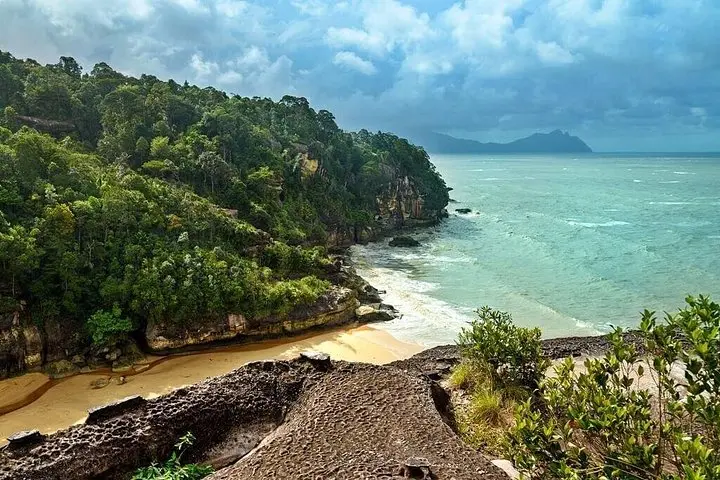
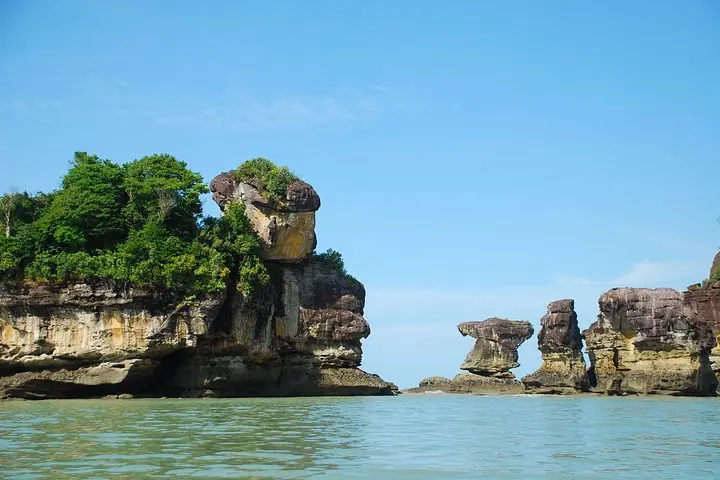
Morning mist threads through tall dipterocarp trunks as the first boat shoves off from a sleepy fishing jetty. The channel narrows and the shoreline rearranges itself into cliffs, patches of white sand and sandstone needles—Bako’s coastline has been carved and shorn by tides for millions of years. On this half-day trip from Kuching you trade the city’s humid pulse for a park where forest and sea jostle for space and long-tailed macaques check your pack with practiced curiosity.
Verified experiences and guided adventures in the surrounding area.
Operated by Brighton Travel & Tour Sdn Bhd · Kuching, Sarawak
Morning mist threads through tall dipterocarp trunks as the first boat shoves off from a sleepy fishing jetty. The channel narrows and the shoreline rearranges itself into cliffs, patches of white sand and sandstone needles—Bako’s coastline has been carved and shorn by tides for millions of years. On this half-day trip from Kuching you trade the city’s humid pulse for a park where forest and sea jostle for space and long-tailed macaques check your pack with practiced curiosity.
Bako is Sarawak’s oldest gazetted national park and a living field guide: seven distinct ecosystems live inside its 16 square kilometres, from mangrove gutters and swamps to heath forest and exposed coastal scrub. The sandstone here tells a blunt geological story—layers of sediment tilted and eroded into sea stacks and narrow arches that frame the South China Sea. Cultural history is quieter but present; local fishing villages have long read the rhythm of tides and seasons here, and the park’s establishment in the 1950s reflects Malaysia’s early moves to conserve Borneo’s unique biodiversity.
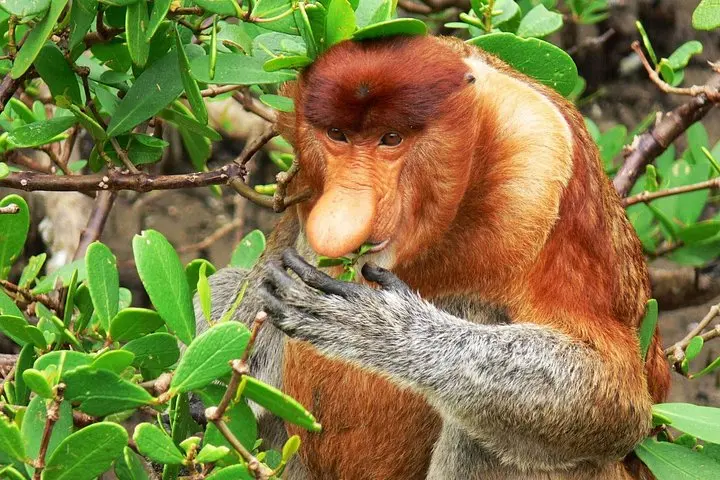
Hiking in Bako is brisk and tactile. Trails range from flat, mangrove boardwalks to short, steep climbs with roots and sandstone steps that demand attention. The reward is immediate: panoramic views over a riot of vegetation, sudden encounters with silvered leaf monkeys or the iconic potbellied proboscis monkey, and beaches where the sea seems to test your resolve with warm currents and sudden surf. Guides emphasize low-impact travel—stick to trails, carry out any trash, and keep a respectful distance from wildlife, especially macaques that have learned to beg.
Practicalities shape the experience. The shared tour typically runs 3–5 hours door-to-door from Kuching and includes boat transfers, guide, and entrance fees. Expect basic facilities at the park headquarters; bring water, a rain jacket, and sturdy shoes—the trails get slick after tropical showers. If you have limited time, target shorter trails that still punch above their weight in terms of scenery and wildlife viewing: Lintang and Telok Pandan Kecil offer compact, high-value circuits.
Timing matters: early morning is best for wildlife and cooler temperatures, while late afternoon brings flattering light for photography and fewer mid-day crowds. The park is equatorial—rain can come fast—so plan for wet weather year-round and consider a morning visit to avoid heavy afternoon storms.
For travelers based in Kuching, Bako is an efficient, sensory-rich escape: a place where sandstone faces seem to watch the tide, monkeys provide unpredictable theatre, and the coastline dares you to linger a little longer.
The boat from the fishing village to the park headquarters takes roughly 20–30 minutes, depending on tides and weather.
Yes — this tour lists entrance fees as included alongside guide and boat transfers.
Children can attend but must be supervised; trails include steep and slippery sections and infants are required to sit on laps during transport.
Common sightings include long-tailed macaques, silvered leaf monkeys, and the distinctive proboscis monkey; birdlife and small mammals like flying lemurs or civets are possible.
Basic facilities exist at the park headquarters but food options are limited; bring snacks and water for the duration of your visit.
Most trails remain passable with proper footwear and a rain jacket; guides may adjust the itinerary for safety if conditions become severe.
Brighton Travel & Tour Sdn Bhd operates guided outdoor trips and adventures with an emphasis on safety, stewardship, and memorable experiences.

Morning mist threads through tall dipterocarp trunks as the first boat shoves off from a sleepy fishing jetty. The channel narrows and the shoreline rearranges itself into cliffs, patches of white sand and sandstone needles—Bako’s coastline has been carved and shorn by tides for millions of years. On this half-day trip from Kuching you trade the city’s humid pulse for a park where forest and sea jostle for space and long-tailed macaques check your pack with practiced curiosity.
Morning mist threads through tall dipterocarp trunks as the first boat shoves off from a sleepy fishing jetty. The channel narrows and the shoreline rearranges itself into cliffs, patches of white sand and sandstone needles—Bako’s coastline has been carved and shorn by tides for millions of years. On this half-day trip from Kuching you trade the city’s humid pulse for a park where forest and sea jostle for space and long-tailed macaques check your pack with practiced curiosity.
Bako is Sarawak’s oldest gazetted national park and a living field guide: seven distinct ecosystems live inside its 16 square kilometres, from mangrove gutters and swamps to heath forest and exposed coastal scrub. The sandstone here tells a blunt geological story—layers of sediment tilted and eroded into sea stacks and narrow arches that frame the South China Sea. Cultural history is quieter but present; local fishing villages have long read the rhythm of tides and seasons here, and the park’s establishment in the 1950s reflects Malaysia’s early moves to conserve Borneo’s unique biodiversity.
Hiking in Bako is brisk and tactile. Trails range from flat, mangrove boardwalks to short, steep climbs with roots and sandstone steps that demand attention. The reward is immediate: panoramic views over a riot of vegetation, sudden encounters with silvered leaf monkeys or the iconic potbellied proboscis monkey, and beaches where the sea seems to test your resolve with warm currents and sudden surf. Guides emphasize low-impact travel—stick to trails, carry out any trash, and keep a respectful distance from wildlife, especially macaques that have learned to beg.
Practicalities shape the experience. The shared tour typically runs 3–5 hours door-to-door from Kuching and includes boat transfers, guide, and entrance fees. Expect basic facilities at the park headquarters; bring water, a rain jacket, and sturdy shoes—the trails get slick after tropical showers. If you have limited time, target shorter trails that still punch above their weight in terms of scenery and wildlife viewing: Lintang and Telok Pandan Kecil offer compact, high-value circuits.
Timing matters: early morning is best for wildlife and cooler temperatures, while late afternoon brings flattering light for photography and fewer mid-day crowds. The park is equatorial—rain can come fast—so plan for wet weather year-round and consider a morning visit to avoid heavy afternoon storms.
For travelers based in Kuching, Bako is an efficient, sensory-rich escape: a place where sandstone faces seem to watch the tide, monkeys provide unpredictable theatre, and the coastline dares you to linger a little longer.