THE ADVENTURE COLLECTIVE® · Independent discovery and booking for outdoor travel

From the chrome curves of the Heydar Aliyev Centre to the bubbling clay of Gobustan’s mud volcanoes, this private 3-night, 4-day itinerary pairs Baku’s city culture with raw, elemental landscapes. Expect short drives, ancient petroglyphs, and a lesson in the region’s fiery geology.
From the chrome curves of the Heydar Aliyev Centre to the bubbling clay of Gobustan’s mud volcanoes, this private 3-night, 4-day itinerary pairs Baku’s city culture with raw, elemental landscapes. Expect short drives, ancient petroglyphs, and a lesson in the region’s fiery geology.
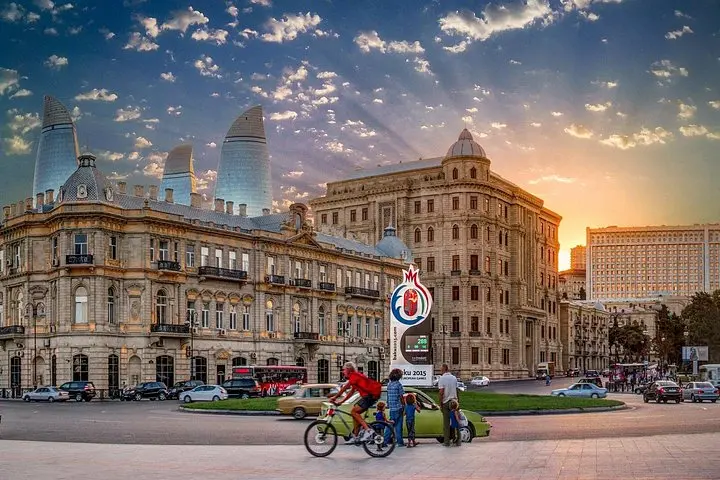
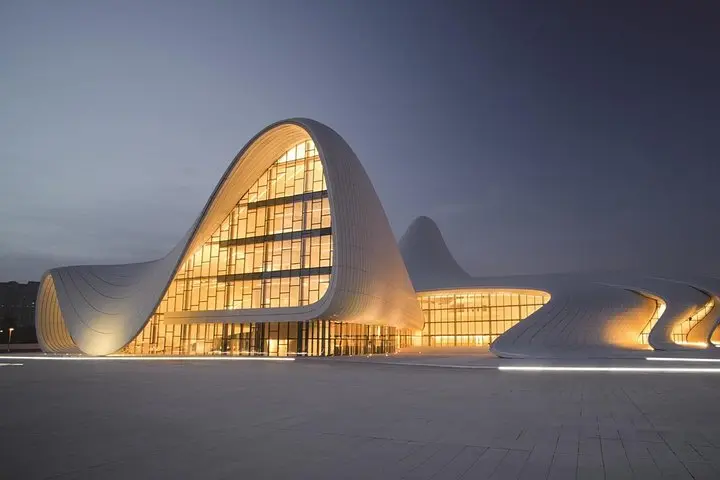
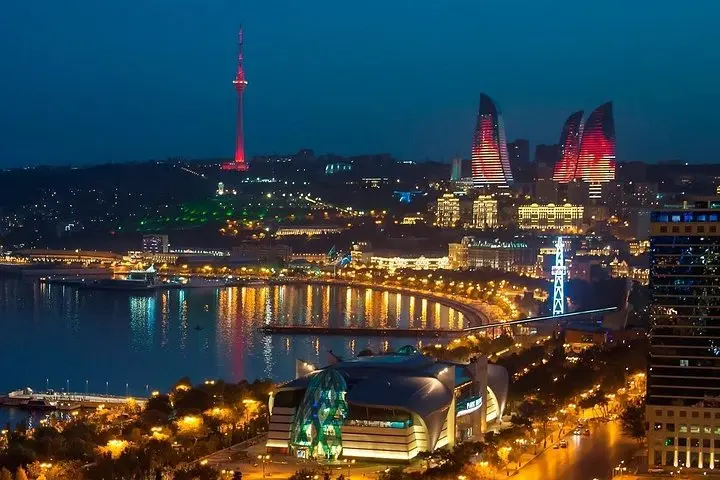
You step from the taxi into a wind that smells faintly of salt and oil — Baku’s Caspian air carrying a history of trade and flickering flames. The first morning opens with the city’s low skyline and the Heydar Aliyev Centre’s smooth, white curves catching the sun. Over four days you trade glass-and-concrete city edges for the cracked, lunar ground of Gobustan, the slow burps of mud volcanoes, and the forever-burning seams of Yanardag; each stop feels like a different chapter in a wide, elemental book.
Verified experiences and guided adventures in the surrounding area.
Operated by Caspi Tours · Baku, Baku
You step from the taxi into a wind that smells faintly of salt and oil — Baku’s Caspian air carrying a history of trade and flickering flames. The first morning opens with the city’s low skyline and the Heydar Aliyev Centre’s smooth, white curves catching the sun. Over four days you trade glass-and-concrete city edges for the cracked, lunar ground of Gobustan, the slow burps of mud volcanoes, and the forever-burning seams of Yanardag; each stop feels like a different chapter in a wide, elemental book.
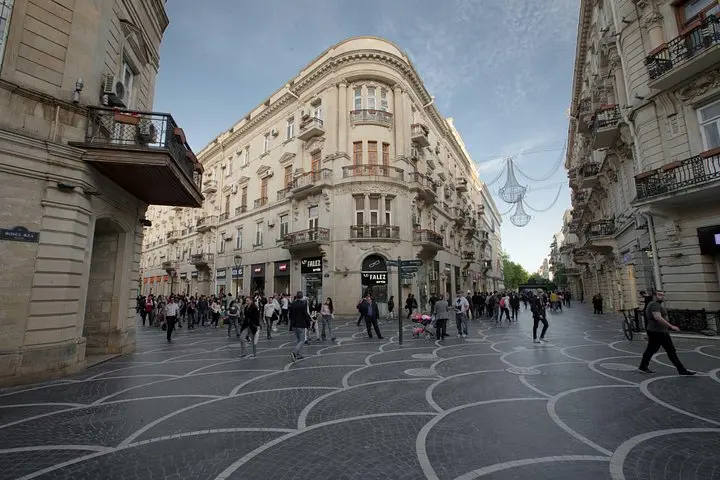
Baku is where Ottoman caravan routes, Persian dynasties and Soviet industry intersect. Walk the Old City (Icherisheher) and the stone towers still hold the cadence of medieval trade; step outside to Highland Park for sweeping views that explain why this inlet of the Caspian was always coveted. Gobustan National Park, a 60–70 km drive southwest, is more ancient — petroglyphs carved as early as 40,000 years ago by peoples who recorded hunts, boats and celestial marks on weathered rock.
Geology here composes the itinerary: mud volcanoes that spit clay and gas on the Absheron plain, the methanic glow of Yanardag’s eternal flame, and Ateshgah’s Zoroastrian-and-Persian-influenced temple built where fire met human ritual. The tour stitches cultural sites (Bibi-Heybat Mosque, Carpet Museum) with these raw geologic features, so you’ll move from museum halls to crater rims in a single day.
Practicalities are straightforward: this private tour includes airport transfers, a four-star Sapphire Bayil Hotel stay, breakfast and a private air-conditioned vehicle for excursions. It does not include e-visa, flights, or most lunches and dinners, so organize your visa in advance and budget for regional meals — charcoal-grilled kebabs and sea bass are local staples.
Expect a lot of short drives: Baku to Gobustan ~1–1.5 hours depending on traffic; Yanardag and Ateshgah sit within a 30–45 minute radius of the city. Wear sturdy shoes for uneven, sometimes clay-slick ground and bring layers — coastal winds can be cool even after hot afternoons. Summer heats quickly; schedule mud-volcano visits in the morning to avoid glare and crowds. Photography is rewarding from cliff edges and the burning mountain lookout; carry a polarizer to cut Caspian glare.
A final note on impact: these sites are delicate — petroglyphs erode with touch and the mud fields are active, so follow guides’ routes and avoid disturbing vegetation. Four days here give a compact, sensory sweep of Azerbaijan: its oil-lit past, its living geology, and a city that’s remaking its future on the same coastline.
Yes — private transfers from the airport to the Sapphire Bayil Hotel and return to the airport on departure are included.
Most travelers require an e‑visa; it’s not included in the tour price, so apply online before travel.
Entrance fees to most museums are not included — the itinerary notes some sites where admission is separate.
The tour accommodates children, but infants must sit on an adult’s lap during transfers; discuss specifics with the operator when booking.
Expect frequent short drives: Baku city loops and day trips of about 1–1.5 hours to Gobustan and 30–45 minutes to Yanardag and Ateshgah.
Lunch and dinner are not included; the guide can recommend restaurants and arrange options — notify special dietary needs at booking.
Caspi Tours operates guided outdoor trips and adventures with an emphasis on safety, stewardship, and memorable experiences.
You step from the taxi into a wind that smells faintly of salt and oil — Baku’s Caspian air carrying a history of trade and flickering flames. The first morning opens with the city’s low skyline and the Heydar Aliyev Centre’s smooth, white curves catching the sun. Over four days you trade glass-and-concrete city edges for the cracked, lunar ground of Gobustan, the slow burps of mud volcanoes, and the forever-burning seams of Yanardag; each stop feels like a different chapter in a wide, elemental book.
You step from the taxi into a wind that smells faintly of salt and oil — Baku’s Caspian air carrying a history of trade and flickering flames. The first morning opens with the city’s low skyline and the Heydar Aliyev Centre’s smooth, white curves catching the sun. Over four days you trade glass-and-concrete city edges for the cracked, lunar ground of Gobustan, the slow burps of mud volcanoes, and the forever-burning seams of Yanardag; each stop feels like a different chapter in a wide, elemental book.
Baku is where Ottoman caravan routes, Persian dynasties and Soviet industry intersect. Walk the Old City (Icherisheher) and the stone towers still hold the cadence of medieval trade; step outside to Highland Park for sweeping views that explain why this inlet of the Caspian was always coveted. Gobustan National Park, a 60–70 km drive southwest, is more ancient — petroglyphs carved as early as 40,000 years ago by peoples who recorded hunts, boats and celestial marks on weathered rock.
Geology here composes the itinerary: mud volcanoes that spit clay and gas on the Absheron plain, the methanic glow of Yanardag’s eternal flame, and Ateshgah’s Zoroastrian-and-Persian-influenced temple built where fire met human ritual. The tour stitches cultural sites (Bibi-Heybat Mosque, Carpet Museum) with these raw geologic features, so you’ll move from museum halls to crater rims in a single day.
Practicalities are straightforward: this private tour includes airport transfers, a four-star Sapphire Bayil Hotel stay, breakfast and a private air-conditioned vehicle for excursions. It does not include e-visa, flights, or most lunches and dinners, so organize your visa in advance and budget for regional meals — charcoal-grilled kebabs and sea bass are local staples.
Expect a lot of short drives: Baku to Gobustan ~1–1.5 hours depending on traffic; Yanardag and Ateshgah sit within a 30–45 minute radius of the city. Wear sturdy shoes for uneven, sometimes clay-slick ground and bring layers — coastal winds can be cool even after hot afternoons. Summer heats quickly; schedule mud-volcano visits in the morning to avoid glare and crowds. Photography is rewarding from cliff edges and the burning mountain lookout; carry a polarizer to cut Caspian glare.
A final note on impact: these sites are delicate — petroglyphs erode with touch and the mud fields are active, so follow guides’ routes and avoid disturbing vegetation. Four days here give a compact, sensory sweep of Azerbaijan: its oil-lit past, its living geology, and a city that’s remaking its future on the same coastline.