THE ADVENTURE COLLECTIVE® · Independent discovery and booking for outdoor travel

Spend five days traversing Afro-alpine plateaus and shaded cloud forest in Bale Mountains National Park — a highland world of Ethiopian wolves, endemic birds, and dramatic escarpments. This practical guide outlines what to expect, where to look for wildlife, and how to prepare for altitude and remote trail conditions.
Spend five days traversing Afro-alpine plateaus and shaded cloud forest in Bale Mountains National Park — a highland world of Ethiopian wolves, endemic birds, and dramatic escarpments. This practical guide outlines what to expect, where to look for wildlife, and how to prepare for altitude and remote trail conditions.
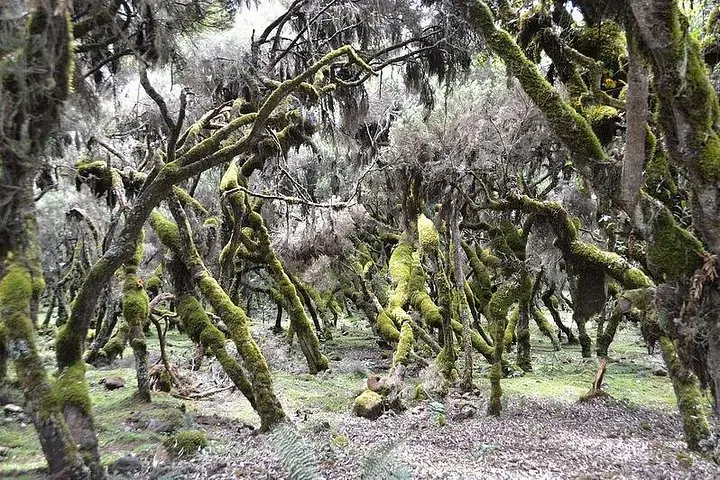
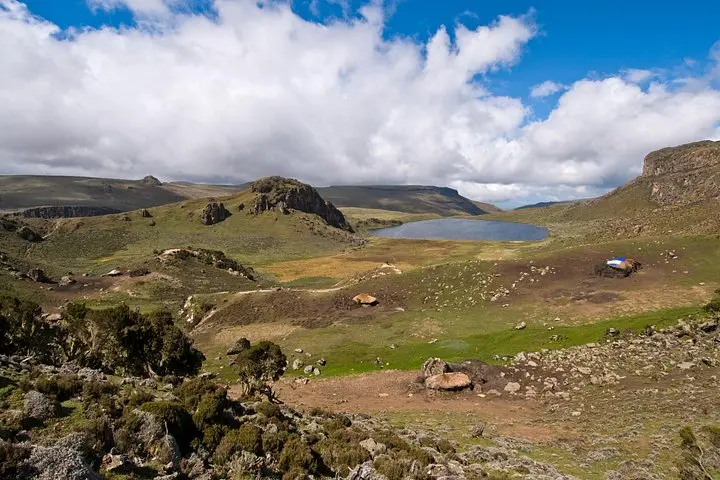
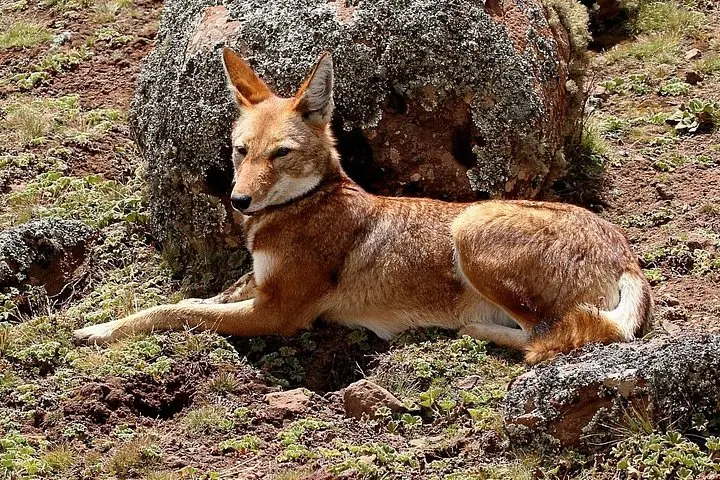
The morning air on the Sanetti Plateau bites with a highland clarity that makes each step feel deliberate. You emerge above cloud level on a sea of tussock grasses; the plateau stretches to sharp escarpments and lakes, while distant ridgelines hold pockets of Harenna Forest that seem to breathe. The landscape here is active — wind and altitude push you onward, and the rare Ethiopian wolf patrols ridgelines like a cautious neighbor.
Verified experiences and guided adventures in the surrounding area.
Operated by Finot Tour Ethiopia - Day Tours · Goba, Oromia
The morning air on the Sanetti Plateau bites with a highland clarity that makes each step feel deliberate. You emerge above cloud level on a sea of tussock grasses; the plateau stretches to sharp escarpments and lakes, while distant ridgelines hold pockets of Harenna Forest that seem to breathe. The landscape here is active — wind and altitude push you onward, and the rare Ethiopian wolf patrols ridgelines like a cautious neighbor.
Geology and history shape every view: the Bale massif is part of the Ethiopian Highlands, an eroded shield volcano with summits above 4,000 m (Tullu Dimtu near 4,377 m). The park contains Africa’s largest area of Afro-alpine habitat, sculpted by volcanic flows, glacial action, and millennia of uplift. Culturally, small Oromo communities around Rira and Dinsho maintain coffee gardens and beekeeping traditions; local guides knit these human stories into hikes.
Expect mixed terrain: grassy plateau, steep escarpments, cloud forest paths, and occasional rocky switchbacks. Typical days include 2–6 hour hikes, wildlife scanning with binoculars, and short drives in a 4x4 between points. Practicalities matter: nights are cold, solar and cellular coverage is intermittent, and altitude demands respect. Bring layers, hydrate, move slowly on the first day, and hire local guides for wolf sightings and navigation. Leave no trace, stick to trails, and plan buffer time for weather and road travel to and from Addis Ababa.
Sanetti Plateau hosts the majority of the species and guided searches are productive; sightings are common if you visit the plateau at dawn or late afternoon with an experienced guide.
Yes — park access and conservation fees are managed locally; most organized tours include permits but confirm with your operator before travel.
Yes — altitudes exceed 3,500 m regularly; symptoms can occur even in fit travelers, so acclimatize, hydrate, and inform guides of any issues.
October to March offers clearer skies and cooler days for plateau viewing; the wet season (June–September) brings dramatic forest growth but can make roads and trails slippery.
Finot Tour Ethiopia - Day Tours operates guided outdoor trips and adventures with an emphasis on safety, stewardship, and memorable experiences.
The morning air on the Sanetti Plateau bites with a highland clarity that makes each step feel deliberate. You emerge above cloud level on a sea of tussock grasses; the plateau stretches to sharp escarpments and lakes, while distant ridgelines hold pockets of Harenna Forest that seem to breathe. The landscape here is active — wind and altitude push you onward, and the rare Ethiopian wolf patrols ridgelines like a cautious neighbor.
The morning air on the Sanetti Plateau bites with a highland clarity that makes each step feel deliberate. You emerge above cloud level on a sea of tussock grasses; the plateau stretches to sharp escarpments and lakes, while distant ridgelines hold pockets of Harenna Forest that seem to breathe. The landscape here is active — wind and altitude push you onward, and the rare Ethiopian wolf patrols ridgelines like a cautious neighbor.
Geology and history shape every view: the Bale massif is part of the Ethiopian Highlands, an eroded shield volcano with summits above 4,000 m (Tullu Dimtu near 4,377 m). The park contains Africa’s largest area of Afro-alpine habitat, sculpted by volcanic flows, glacial action, and millennia of uplift. Culturally, small Oromo communities around Rira and Dinsho maintain coffee gardens and beekeeping traditions; local guides knit these human stories into hikes.
Expect mixed terrain: grassy plateau, steep escarpments, cloud forest paths, and occasional rocky switchbacks. Typical days include 2–6 hour hikes, wildlife scanning with binoculars, and short drives in a 4x4 between points. Practicalities matter: nights are cold, solar and cellular coverage is intermittent, and altitude demands respect. Bring layers, hydrate, move slowly on the first day, and hire local guides for wolf sightings and navigation. Leave no trace, stick to trails, and plan buffer time for weather and road travel to and from Addis Ababa.