THE ADVENTURE COLLECTIVE® · Independent discovery and booking for outdoor travel

Explore Bali’s sacred valley on a private, full-day temple circuit that pairs iconic shrines with rarely seen rock carvings. Expect centuries-old rock-cut temples, optional purification at Tirta Empul, and a cool waterfall finish.
Explore Bali’s sacred valley on a private, full-day temple circuit that pairs iconic shrines with rarely seen rock carvings. Expect centuries-old rock-cut temples, optional purification at Tirta Empul, and a cool waterfall finish.
You step from an air-conditioned car into a humid pre-dawn, the jungle already humming. Rice terraces slope away and a narrow path drops toward a river whose murmur seems to guide you—this day will be measured in steps, stone faces, and water.
Verified experiences and guided adventures in the surrounding area.
Operated by My Bali Activities · Ubud, Bali
You step from an air-conditioned car into a humid pre-dawn, the jungle already humming. Rice terraces slope away and a narrow path drops toward a river whose murmur seems to guide you—this day will be measured in steps, stone faces, and water.
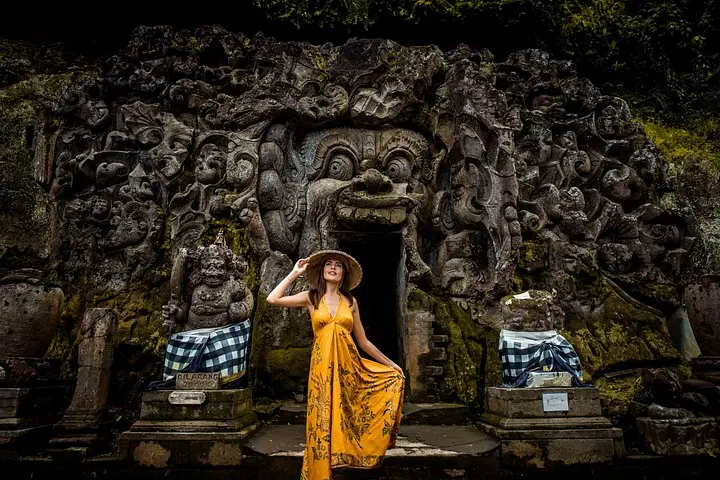
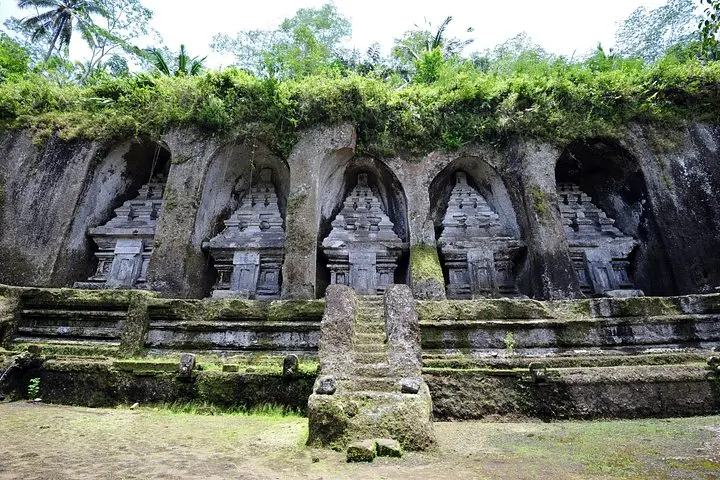
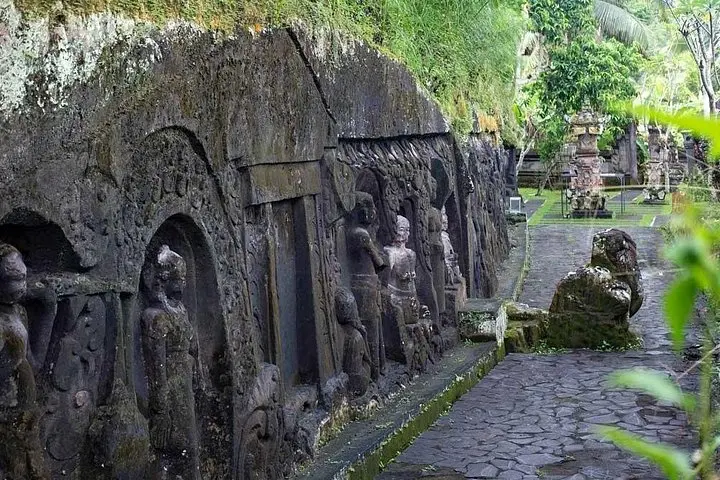
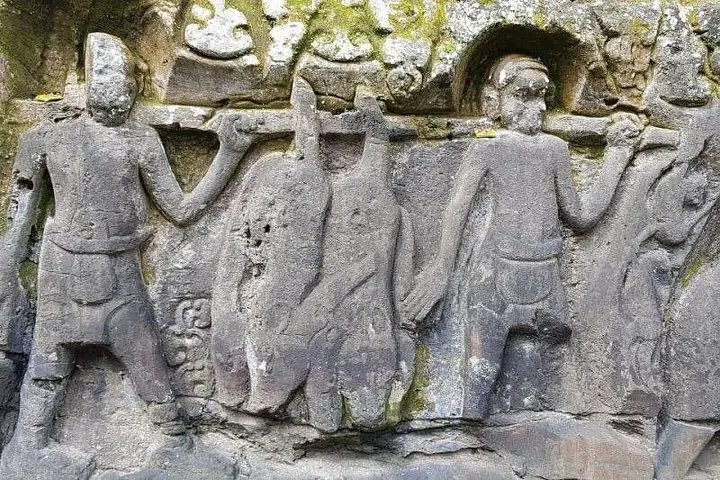
The route threads through centuries of Bali’s layered past: Gunung Kawi’s 11th-century rock-cut shrines carved into the valley wall; Tirta Empul’s spring-fed pools where ritual purification continues in a practice that predates modern maps; Yeh Pulu’s 14th-century reliefs—twenty-five meters of village scenes hidden beneath a canopy and missed by many visitors; and Goa Gajah’s 9th-century bathing courtyards carved around a dramatic demon mouth.
Geology here is as much an author as builders were—volcanic tuff and river erosion allowed craftsmen to cut shrines directly into cliffs, while steep terraces channel rain into irrigation. Culturally, the sites show Hindu-Buddhist overlap and living devotional practice: priests, offerings, and the occasional ceremony punctuate quiet interpretation.
Practically: plan for an 8–9 hour private tour with multiple short walks and one 315-step descent at Gunung Kawi. Sarongs and towels are often provided, but bring a small daypack for water, sunscreen, and a camera. Wear grippy shoes for damp stone and expect uneven steps and narrow jungle tracks. If you opt into melukat (purification), arrive with modest clothing and an open mind; participation is optional. Guides reduce crowd friction by timing visits and finding quieter viewpoints—use early departures or late afternoons to avoid peak heat and mid-day tourist surges.
This circuit balances archaeology, ritual, and a refreshing waterfall finish—solid planning lets the sites speak clearly.
Some entrance fees may be included depending on your booking option; confirm at booking—many listings cover transport but list certain temple fees as optional add-ons.
Yes—participation is optional and sarongs/offerings are typically provided; follow your guide’s directions for respectful participation.
The tour operator lists wheelchair-accessible transport, but several temple sites have uneven steps and narrow paths; contact the operator in advance to confirm accessibility arrangements for specific sites.
English-speaking drivers/guides are commonly provided; confirm at booking if you need another language or a specialist guide.
My Bali Activities operates guided outdoor trips and adventures with an emphasis on safety, stewardship, and memorable experiences.
You step from an air-conditioned car into a humid pre-dawn, the jungle already humming. Rice terraces slope away and a narrow path drops toward a river whose murmur seems to guide you—this day will be measured in steps, stone faces, and water.
You step from an air-conditioned car into a humid pre-dawn, the jungle already humming. Rice terraces slope away and a narrow path drops toward a river whose murmur seems to guide you—this day will be measured in steps, stone faces, and water.
The route threads through centuries of Bali’s layered past: Gunung Kawi’s 11th-century rock-cut shrines carved into the valley wall; Tirta Empul’s spring-fed pools where ritual purification continues in a practice that predates modern maps; Yeh Pulu’s 14th-century reliefs—twenty-five meters of village scenes hidden beneath a canopy and missed by many visitors; and Goa Gajah’s 9th-century bathing courtyards carved around a dramatic demon mouth.
Geology here is as much an author as builders were—volcanic tuff and river erosion allowed craftsmen to cut shrines directly into cliffs, while steep terraces channel rain into irrigation. Culturally, the sites show Hindu-Buddhist overlap and living devotional practice: priests, offerings, and the occasional ceremony punctuate quiet interpretation.
Practically: plan for an 8–9 hour private tour with multiple short walks and one 315-step descent at Gunung Kawi. Sarongs and towels are often provided, but bring a small daypack for water, sunscreen, and a camera. Wear grippy shoes for damp stone and expect uneven steps and narrow jungle tracks. If you opt into melukat (purification), arrive with modest clothing and an open mind; participation is optional. Guides reduce crowd friction by timing visits and finding quieter viewpoints—use early departures or late afternoons to avoid peak heat and mid-day tourist surges.
This circuit balances archaeology, ritual, and a refreshing waterfall finish—solid planning lets the sites speak clearly.