THE ADVENTURE COLLECTIVE® · Independent discovery and booking for outdoor travel

Walk among colorful macaws, lorikeets and the endangered Bali myna at Bali Bird Park. This practical guide outlines what to expect—habitat zones, shows, ticket details and tips to make the most of a 1–2 hour visit.
Walk among colorful macaws, lorikeets and the endangered Bali myna at Bali Bird Park. This practical guide outlines what to expect—habitat zones, shows, ticket details and tips to make the most of a 1–2 hour visit.
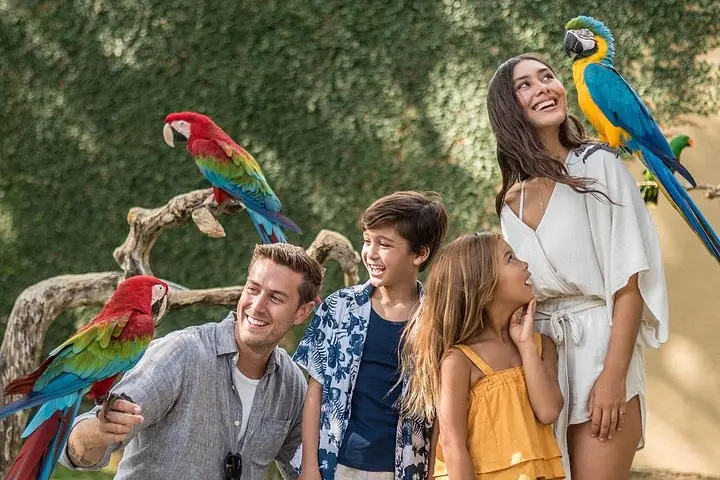
A humid corridor of calls and feathers opens as you step through the gate at Bali Bird Park—bright beaks flash, orchids lean toward aviaries, and a lorikeet ruffles its neck as if to greet you. Paths wind through seven habitat zones that recreate the islands and distant continents, offering close-up moments with macaws, parrots and the rare Bali myna.
Verified experiences and guided adventures in the surrounding area.
Operated by GlobalTix Pte Ltd · Gianyar, Bali
A humid corridor of calls and feathers opens as you step through the gate at Bali Bird Park—bright beaks flash, orchids lean toward aviaries, and a lorikeet ruffles its neck as if to greet you. Paths wind through seven habitat zones that recreate the islands and distant continents, offering close-up moments with macaws, parrots and the rare Bali myna.
The park interprets Bali’s place in island biogeography: volcanic soils and tropical climates that shaped Southeast Asia’s unique avifauna. Exhibits draw on habitats from Sumatran mist-forests to Papua lowlands and even South American aviaries, giving cultural context to traditional Balinese relationships with nature and bird symbolism in local art.
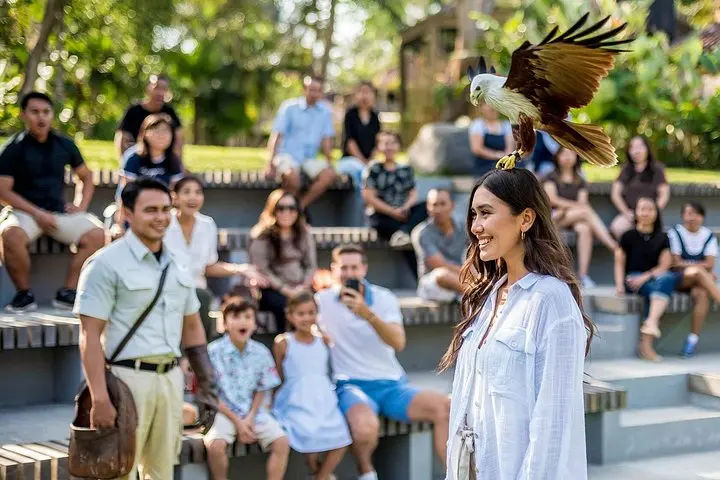
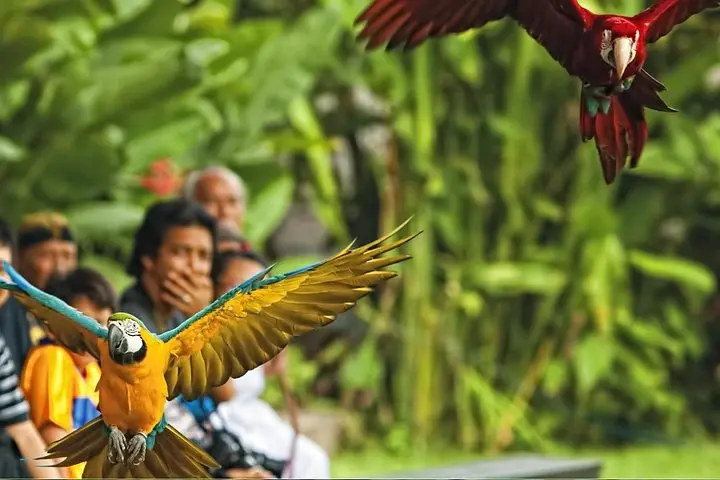
Expect scheduled bird shows and feeding demos that are practical, family-friendly opportunities to learn about behavior, breeding and conservation. Staff-led talks highlight captive-breeding efforts for endangered species such as the Bali myna and how parks collaborate with regional programs.
Practical guide: allow 60–120 minutes to move at a relaxed pace; mornings are cooler and active for birds. Bring sun protection and a refillable water bottle—much of the walk is open-air with shaded enclaves. Tickets accept mobile or paper vouchers; have ID ready at entry since domestic vs. international ticket types are checked and may incur on-site charges for correction. Photography is welcome and some photo-with-bird experiences may carry a small fee. The layout is stroller- and wheelchair-friendly, but some exhibit surfaces are natural and slightly uneven—comfortable shoes help. Finish with a cool treat from the park café before you head back toward Ubud’s temples and rice fields.
Most visitors spend 60–120 minutes; allow extra time for shows, feeding demos and photo experiences.
Standard admission grants access to the park and many scheduled shows; some special photo-with-bird experiences or close-up sessions may incur an extra fee.
Staff-supervised photo or hold experiences are offered in designated areas—follow staff instructions and be prepared for a possible additional charge.
The park is generally wheelchair- and stroller-friendly with paved paths, though some exhibit areas use natural terrain—ask on arrival for the most accessible route.
GlobalTix Pte Ltd operates guided outdoor trips and adventures with an emphasis on safety, stewardship, and memorable experiences.

A humid corridor of calls and feathers opens as you step through the gate at Bali Bird Park—bright beaks flash, orchids lean toward aviaries, and a lorikeet ruffles its neck as if to greet you. Paths wind through seven habitat zones that recreate the islands and distant continents, offering close-up moments with macaws, parrots and the rare Bali myna.
A humid corridor of calls and feathers opens as you step through the gate at Bali Bird Park—bright beaks flash, orchids lean toward aviaries, and a lorikeet ruffles its neck as if to greet you. Paths wind through seven habitat zones that recreate the islands and distant continents, offering close-up moments with macaws, parrots and the rare Bali myna.
The park interprets Bali’s place in island biogeography: volcanic soils and tropical climates that shaped Southeast Asia’s unique avifauna. Exhibits draw on habitats from Sumatran mist-forests to Papua lowlands and even South American aviaries, giving cultural context to traditional Balinese relationships with nature and bird symbolism in local art.
Expect scheduled bird shows and feeding demos that are practical, family-friendly opportunities to learn about behavior, breeding and conservation. Staff-led talks highlight captive-breeding efforts for endangered species such as the Bali myna and how parks collaborate with regional programs.
Practical guide: allow 60–120 minutes to move at a relaxed pace; mornings are cooler and active for birds. Bring sun protection and a refillable water bottle—much of the walk is open-air with shaded enclaves. Tickets accept mobile or paper vouchers; have ID ready at entry since domestic vs. international ticket types are checked and may incur on-site charges for correction. Photography is welcome and some photo-with-bird experiences may carry a small fee. The layout is stroller- and wheelchair-friendly, but some exhibit surfaces are natural and slightly uneven—comfortable shoes help. Finish with a cool treat from the park café before you head back toward Ubud’s temples and rice fields.