THE ADVENTURE COLLECTIVE® · Independent discovery and booking for outdoor travel

Spend a full day moving from the volcanic rim of Mount Batur to the layered sanctuaries of Besakih Temple. This private tour blends geology, crafts, and ritual sites with short walks and clear practical guidance for travelers.
Spend a full day moving from the volcanic rim of Mount Batur to the layered sanctuaries of Besakih Temple. This private tour blends geology, crafts, and ritual sites with short walks and clear practical guidance for travelers.
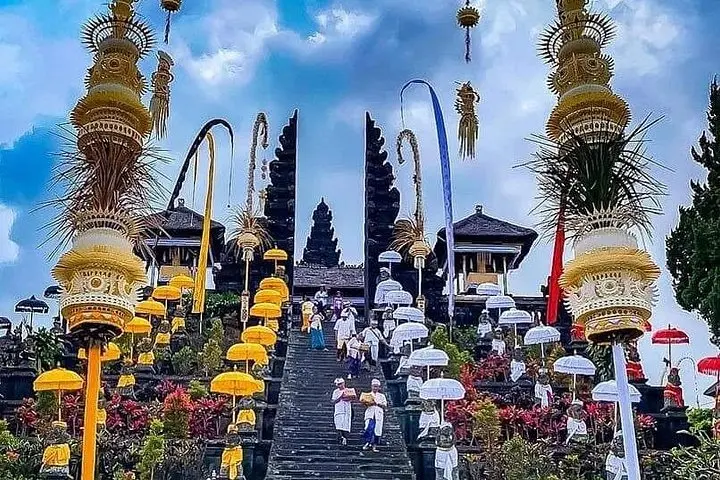
You arrive at Kintamani as the island exhales cool mountain air and the rim of Mount Batur cuts a jagged line against the sky. The volcano sits like an alert giant, steam and lake cradling its caldera; nearby rice terraces and villages unspool in terraces down the slope. Later, at Besakih, stone stairways and tiered roofs usher you into a temple complex that has guided Balinese ritual life for centuries.
Verified experiences and guided adventures in the surrounding area.
Operated by Blue Star Bali Tour · Ubud, Bali
You arrive at Kintamani as the island exhales cool mountain air and the rim of Mount Batur cuts a jagged line against the sky. The volcano sits like an alert giant, steam and lake cradling its caldera; nearby rice terraces and villages unspool in terraces down the slope. Later, at Besakih, stone stairways and tiered roofs usher you into a temple complex that has guided Balinese ritual life for centuries.
Geology and history are side-by-side here: Mount Batur is an active stratovolcano, its last major eruption reshaping the lake and lowlands, while Besakih — known locally as the “Mother Temple” — is a complex of shrines with origins stretching back over a thousand years and layered by Hindu ritual development.
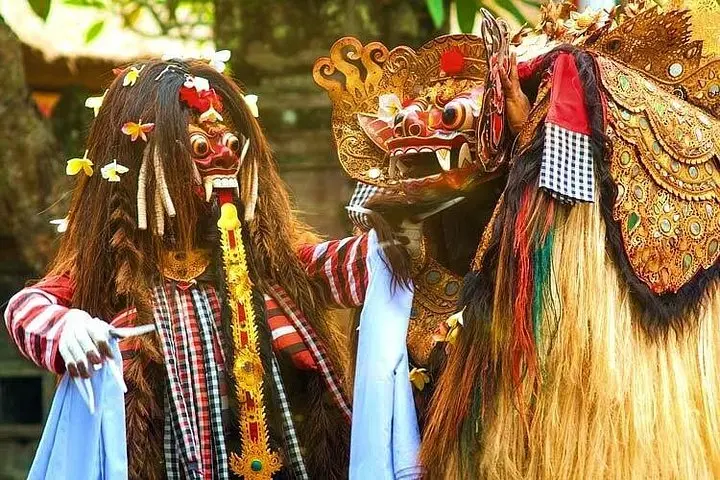
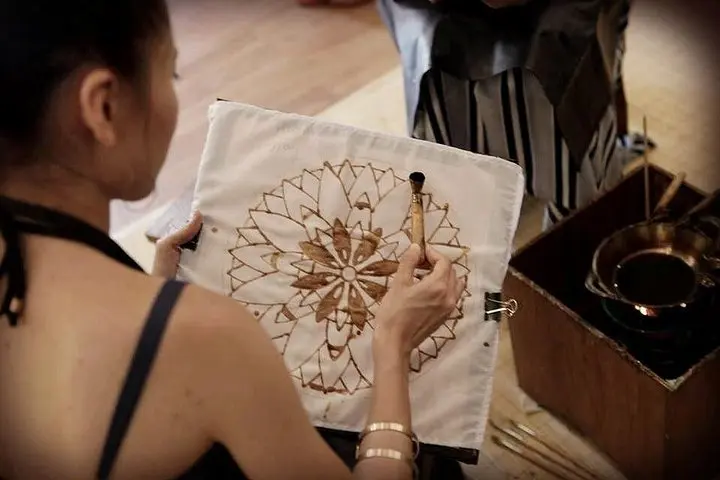
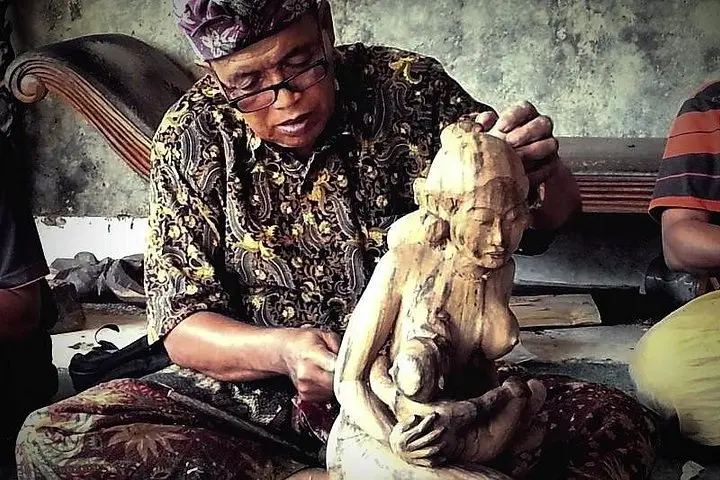
The itinerary moves from cultural villages — Tohpati batik, Celuk silversmiths, Mas woodcarvers — to Tegenungan waterfall’s short descent and a coffee plantation where civet coffee is discussed (expect a sensory demonstration, not a tasting requirement). Expect paved roads between stops, short staircases at temples, and uneven stone at Besakih. Guide commentary gives context on offerings, temple etiquette and local craftsmanship.
Practical notes: this is a long, air-conditioned day (about 10 hours) with multiple short walks and stairs; bring sun protection, comfortable walking shoes, a sarong for temple visits, and small change for donations and snacks. Timing matters — mornings at Kintamani give clearer views, while Besakih can be hot by midafternoon. Hydrate, wear respectful clothing at sacred sites, and be ready for crowds at popular photo points.
The tour runs about 10 hours and typically includes hotel transfers, entrance fees, lunch, mineral water, and an English-speaking driver-guide as stated by the operator.
No sustained hiking is required; expect short stair climbs at temples and a descent at Tegenungan waterfall but mostly vehicle transfers and short walks.
Yes — bring small cash for donations and purchases, and a sarong or long pants for temple visits (some operators provide sarongs for a small fee).
This day tour visits the Kintamani viewpoint over Mount Batur and the lake; a sunrise trek to the crater is a separate, early-morning activity not included in this package.
Blue Star Bali Tour operates guided outdoor trips and adventures with an emphasis on safety, stewardship, and memorable experiences.
You arrive at Kintamani as the island exhales cool mountain air and the rim of Mount Batur cuts a jagged line against the sky. The volcano sits like an alert giant, steam and lake cradling its caldera; nearby rice terraces and villages unspool in terraces down the slope. Later, at Besakih, stone stairways and tiered roofs usher you into a temple complex that has guided Balinese ritual life for centuries.
You arrive at Kintamani as the island exhales cool mountain air and the rim of Mount Batur cuts a jagged line against the sky. The volcano sits like an alert giant, steam and lake cradling its caldera; nearby rice terraces and villages unspool in terraces down the slope. Later, at Besakih, stone stairways and tiered roofs usher you into a temple complex that has guided Balinese ritual life for centuries.
Geology and history are side-by-side here: Mount Batur is an active stratovolcano, its last major eruption reshaping the lake and lowlands, while Besakih — known locally as the “Mother Temple” — is a complex of shrines with origins stretching back over a thousand years and layered by Hindu ritual development.
The itinerary moves from cultural villages — Tohpati batik, Celuk silversmiths, Mas woodcarvers — to Tegenungan waterfall’s short descent and a coffee plantation where civet coffee is discussed (expect a sensory demonstration, not a tasting requirement). Expect paved roads between stops, short staircases at temples, and uneven stone at Besakih. Guide commentary gives context on offerings, temple etiquette and local craftsmanship.
Practical notes: this is a long, air-conditioned day (about 10 hours) with multiple short walks and stairs; bring sun protection, comfortable walking shoes, a sarong for temple visits, and small change for donations and snacks. Timing matters — mornings at Kintamani give clearer views, while Besakih can be hot by midafternoon. Hydrate, wear respectful clothing at sacred sites, and be ready for crowds at popular photo points.